
How to Sell Notion Templates and Make Passive Income

Modest Mitkus
May 31, 2026
So you've mastered Notion and created some seriously useful templates that organize your life like magic. Here's the thing - other people are struggling with the exact same problems you've already solved. That's where the opportunity to sell Notion templates comes in. It's one of the most accessible digital products you can create because you're already using the tool, you understand the pain points, and the demand is growing like crazy. Whether you're looking to build a side hustle or create a full-blown digital product business, selling templates can generate income while you sleep. Let's dive into everything you need to know about turning your Notion expertise into a profitable venture.
Why Selling Notion Templates Works in 2026
The digital product economy is booming, and Notion templates sit right at the sweet spot. People don't want to spend hours figuring out systems from scratch when someone's already built the perfect solution.
Think about it - professionals, students, entrepreneurs, and creatives are all looking for ways to get organized faster. They'll happily pay for a plug-and-play solution that saves them time and mental energy. The beauty of this business model is that you create the template once, and it can sell hundreds or thousands of times without additional work.
The Low Barrier to Entry
You don't need coding skills, a massive audience, or expensive tools to get started. If you can build a useful template in Notion, you can sell it. That's pretty much the whole technical requirement.
Here's what makes this model so attractive:
- Minimal startup costs - Notion's free plan works fine for creating templates
- No inventory or shipping - it's 100% digital
- Scalable income - sell to one person or ten thousand with the same effort
- Quick validation - test your ideas with real buyers fast
- Flexible pricing - charge what your market will bear
The initial time investment goes into building and testing your template, but once it's live, the maintenance is minimal. You're essentially packaging your knowledge and organizational skills into a product that solves specific problems.
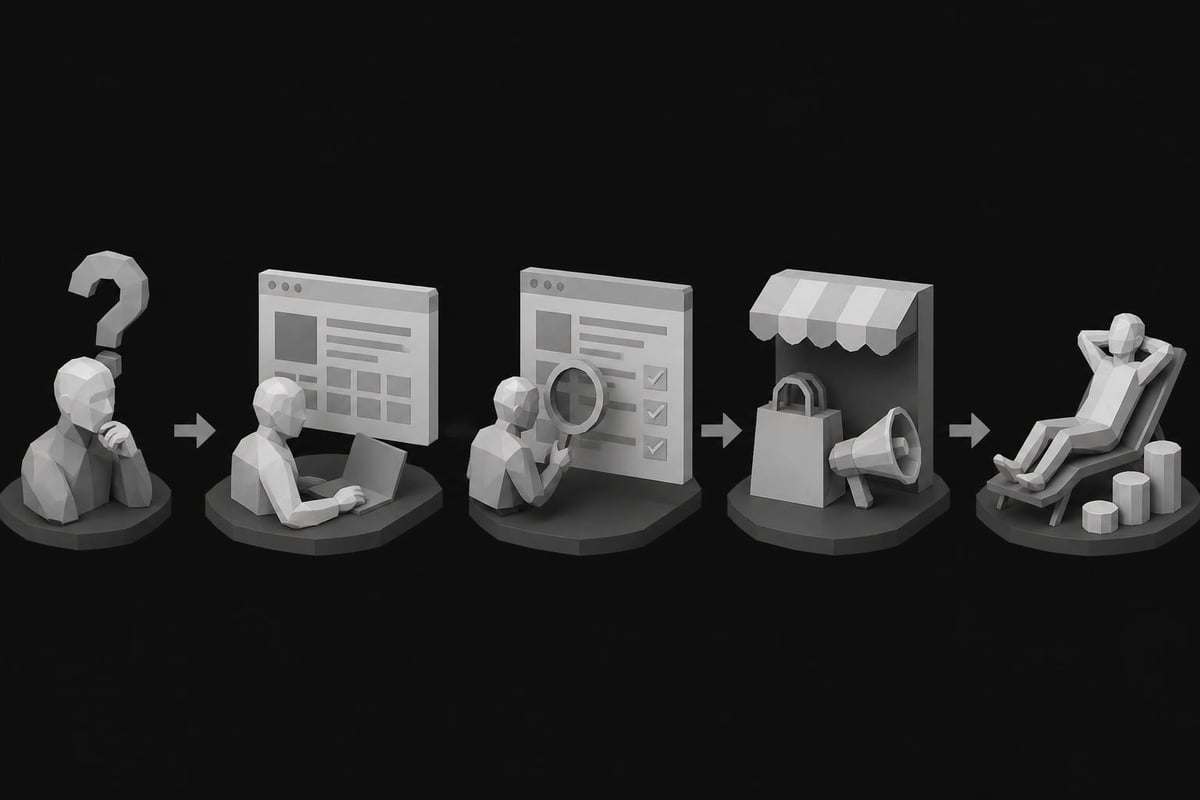
Finding Your Profitable Niche
Here's where most people mess up - they try to create generic templates that appeal to everyone. That's a losing strategy because you're competing with free community templates and established sellers.
Instead, you want to target a specific niche that has real problems and willingness to pay for solutions. The narrower your focus, the easier it becomes to stand out and charge premium prices.
High-Demand Template Categories
| Niche Category | Example Templates | Price Range |
|---|---|---|
| Content Creators | YouTube planning, content calendars, sponsorship trackers | $15-$49 |
| Small Business | Client management, project tracking, invoice systems | $29-$99 |
| Students | Study planners, research organizers, assignment trackers | $9-$29 |
| Freelancers | Time tracking, proposal templates, client portals | $19-$79 |
| Personal Finance | Budget planners, investment trackers, expense databases | $12-$39 |
The key is finding the intersection between what you know well, what people actually need, and what they're willing to pay for. Don't just chase what seems popular - look for underserved niches where you can bring unique value.
Building Templates That Actually Sell
Creating a template people want to buy is different from creating one you use personally. Your template needs to solve a specific outcome, not just look pretty.
Start by identifying the transformation your template provides. What situation is someone in before using it, and where will they be after? That's your value proposition.
Essential Elements of Sellable Templates
When you sell Notion templates, quality matters more than complexity. A simple template that works perfectly beats a complicated mess every time.
Your template should include:
- Clear instructions - don't assume people know how to use it
- Pre-filled examples - show them what success looks like
- Customization options - let them make it their own
- Mobile-friendly design - test on phones and tablets
- Database relationships - show off Notion's power where appropriate
- Video walkthrough - explain setup and best practices
Before you even think about selling, use the template yourself for at least two weeks. You'll discover bugs, confusing elements, and missing features that would frustrate paying customers. Testing your templates thoroughly prevents refunds and bad reviews.
Choosing Where to Sell Your Templates
You've got several options for platforms, and honestly, most successful sellers use multiple channels to maximize reach.
The official Notion Marketplace is the obvious starting point because it has built-in traffic from people already looking for templates. However, selling on the marketplace comes with specific requirements and Notion takes a cut of sales.
Platform Comparison for 2026
Gumroad remains the most popular choice for independent creators. It's dead simple to set up, handles payments and delivery automatically, and gives you full control over pricing and marketing. The fees are reasonable at around 10% per sale.
Etsy works surprisingly well if you position templates as digital planners or organizational tools. The audience tends to skew toward people who appreciate design and are comfortable buying digital products.
Your own website gives you complete control and keeps 100% of profits minus payment processing fees. Tools like Gumroad can actually power sales on your own site, giving you the best of both worlds.
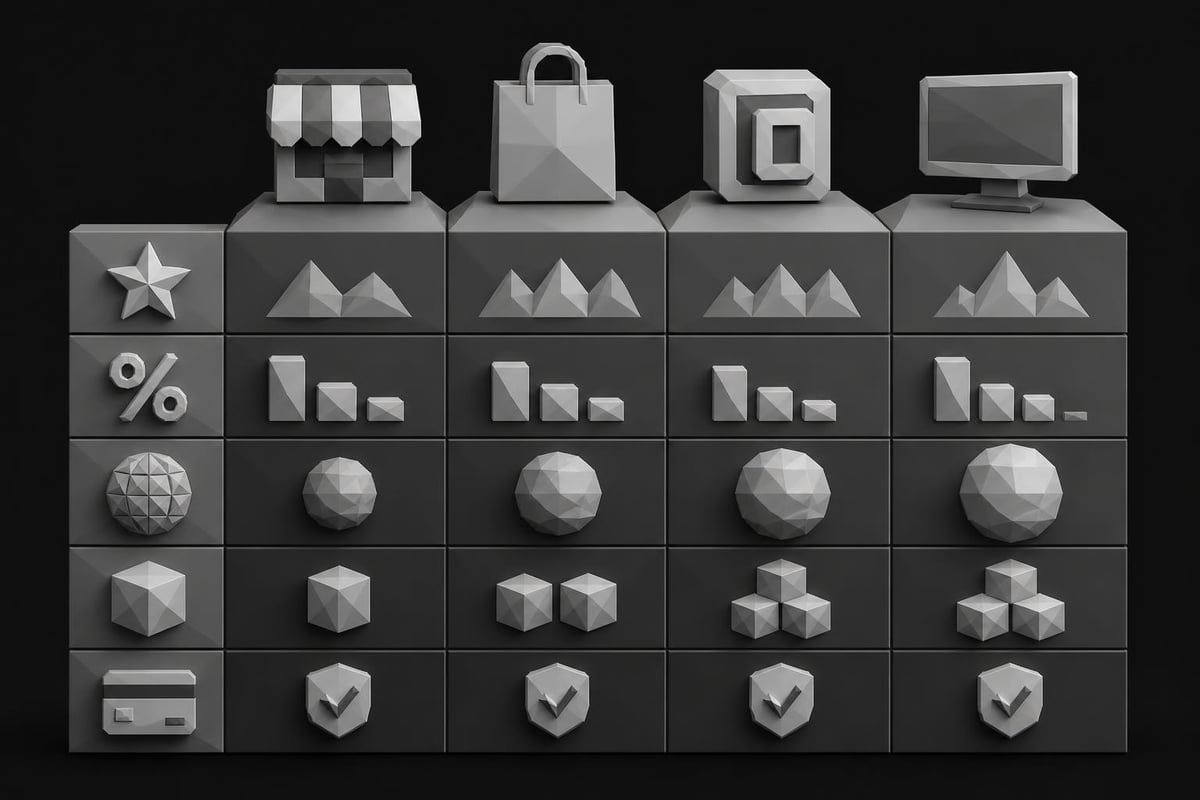
Here's a reality check - don't overthink the platform decision. Start with Gumroad or the Notion Marketplace, get your first sales, then expand. You can always add more channels later.
Pricing Your Templates Strategically
Pricing feels scary because you don't want to charge too much or leave money on the table. The good news? You can always adjust.
Most Notion templates sell between $9 and $49, with premium bundles going up to $99 or more. Your pricing should reflect the value delivered, not just the time you spent creating it.
Pricing Strategies That Work
- Entry-level templates: $9-$19 for simple, focused solutions
- Professional templates: $29-$49 for comprehensive systems
- Bundle packages: $59-$99 for multiple related templates
- Subscription access: $9-$29/month for template libraries
Consider offering a basic version at a lower price point and a premium version with extra features. This gives buyers options and can actually increase total revenue because some people will always choose the premium option.
Launch pricing can create urgency - offer early buyers a discount for being first. Just make sure to clearly communicate when the price will increase so people don't feel tricked.
Marketing Your Templates Effectively
Building amazing templates means nothing if nobody knows they exist. Marketing doesn't have to be complicated, but it does have to be consistent.
The most effective strategy for selling Notion templates is demonstrating value through content. Show people how your templates solve problems before asking them to buy.
Content Marketing Tactics
Create YouTube tutorials showing your template in action. You don't need fancy equipment - screen recordings with clear audio work perfectly. People searching for Notion solutions will find your videos and some will become customers.
Write blog posts about the problems your templates solve. Optimize for search terms like "how to organize client projects in Notion" or "best student planner system." Link to your templates as the ready-made solution.
Share on social media with before-and-after transformations. Show messy, disorganized workspaces and then reveal your template bringing order to chaos. Visual proof sells.
Build an email list from day one. Offer a free simple template in exchange for email addresses, then nurture that audience with tips and introduce paid templates when relevant.
If you're ready to build digital products beyond templates, Build and Launch Your SaaS App in 14 Days teaches you how to create web applications from scratch using no-code tools. It's the natural next step when you're ready to scale beyond selling templates.
Protecting Your Templates and Preventing Theft
Let's talk about the elephant in the room - people sharing paid templates for free. It happens, but don't let fear of piracy stop you from selling.
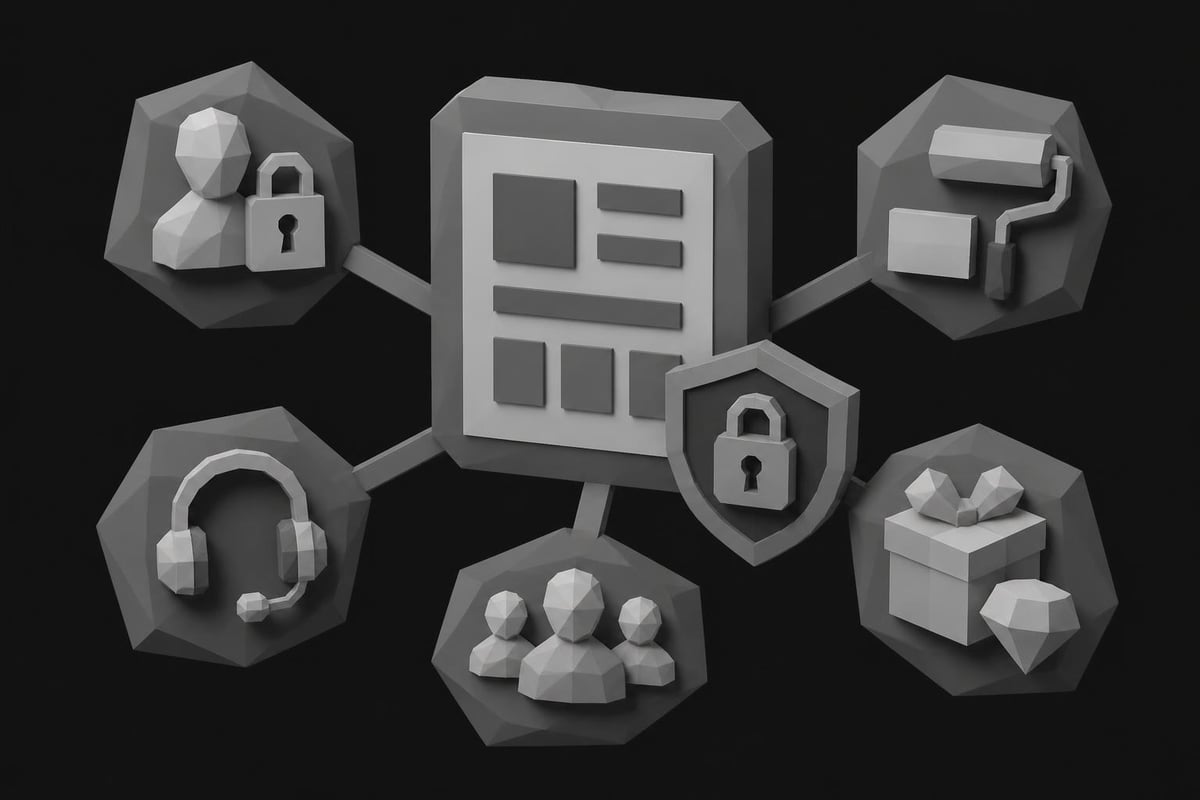
Notion's access locking feature helps protect your templates by requiring buyers to duplicate them to their own workspace. This prevents unlimited sharing, though determined people can still screenshot or recreate.
Practical Protection Methods
- Use Notion's duplicate-only access - don't give edit permissions
- Add your branding - watermark pages with your name or logo
- Include personalized support - buyers get updates and help, pirates don't
- Bundle with video training - harder to share effectively
- Build community access - paid members get exclusive updates
Here's the reality - some piracy is just the cost of doing business online. Focus your energy on serving paying customers amazingly well rather than chasing down every shared copy. Happy customers become repeat buyers and refer others.
Scaling Your Template Business
Once you've made your first sales, you'll start seeing patterns in what customers want and what works. That's when you can scale strategically.
The easiest way to grow revenue is creating complementary templates that serve the same audience. If someone bought your content calendar template, they might need a analytics tracker or sponsorship manager too.
Growth Strategies for Template Sellers
Create template bundles that package related products together at a discount. This increases average order value and gives customers a complete system rather than piecemeal solutions.
Launch new templates regularly to keep your brand visible and give existing customers reasons to return. Aim for at least one new release per month once you've built momentum.
Develop a signature system - your unique methodology for solving problems. This lets you charge premium prices because you're not just selling templates, you're selling your framework.
Partner with complementary creators for cross-promotion. Find people serving similar audiences with different products and collaborate on bundles or affiliate arrangements.
The goal isn't just to sell Notion templates - it's to build a sustainable digital product business that generates passive income. Understanding profitable niches and positioning yourself as the go-to solution provider makes all the difference.
Common Mistakes to Avoid
After watching hundreds of template sellers, certain mistakes pop up repeatedly. Let's save you the headache.
Overcomplicating templates is mistake number one. New sellers think more features equals more value, but confused customers don't buy. Keep it simple and focused.
Ignoring customer feedback will kill your growth. When someone requests a feature or reports confusion, that's gold. Listen and improve accordingly.
Inconsistent branding makes you forgettable. Use the same colors, fonts, and style across all your templates so customers recognize your work instantly.
Quality Over Quantity Always Wins
| Approach | Results |
|---|---|
| 3 excellent templates, well-marketed | Steady sales, great reviews, word-of-mouth growth |
| 20 mediocre templates, minimal marketing | Scattered sales, refund requests, no momentum |
Neglecting SEO and discoverability means organic traffic never finds you. Whether you're selling on platforms or your own site, optimize titles, descriptions, and tags for search.
Underpricing from insecurity cheats you and actually makes buyers skeptical. If your template genuinely solves problems, charge accordingly. You can always lower prices, but raising them later feels harder.
Building Long-Term Success
The creators making serious money from templates aren't just selling - they're building relationships with their audience. Your customers should feel like they know you and trust your solutions.
Email marketing becomes crucial here. When someone buys a template, that's just the beginning of the relationship. Send them tips for using it, case studies of results, and early access to new releases.
Consider creating outcome-focused copy that speaks directly to the transformation buyers want. Don't list features - paint a picture of their improved life after implementing your system.
Build in public by sharing your journey, sales numbers, and lessons learned. Transparency attracts customers who connect with your story and want to support your success.
The template business can evolve into courses, coaching, or even custom services for premium clients. Some sellers transition into building more complex digital products once they've validated their audience and expertise.
Automation and Systemization
As sales grow, you'll need systems to handle customer support, delivery, and updates without consuming all your time.
Automate delivery completely - platforms like Gumroad handle this automatically when someone purchases. No manual sending of files.
Create a FAQ document answering common questions and link to it prominently. This cuts support emails dramatically while helping customers faster.
Set up canned responses for typical support requests. Personalize them slightly, but don't reinvent the wheel for each email.
Schedule social media posts in batches so you're consistently marketing without daily effort. Tools like Buffer or Hootsuite make this simple.
The goal is building a system that runs smoothly whether you're actively working or taking a week off. That's when you've truly created a digital product that generates passive income.
Selling Notion templates offers a genuine path to building passive income through digital products that serve real needs. The combination of low startup costs, scalable delivery, and growing demand makes this one of the most accessible online businesses you can launch. If you're ready to expand beyond templates and build more sophisticated digital products, CreateSell provides the courses and resources to help you transition from selling your time to creating products that generate income while you sleep. Start with templates, validate your market, then scale into the digital product business you've been dreaming about.