
Viral Marketing Examples That Actually Worked in 2026

Modest Mitkus
June 6, 2026
You've probably seen it happen: a post, video, or campaign takes off like wildfire, reaching millions of people in just days. That's viral marketing in action, and it's not just reserved for big brands with massive budgets. The beauty of viral marketing is that sometimes the smallest, most unexpected campaigns capture the world's attention. Let's dive into some memorable viral marketing examples that show what works, what doesn't, and how you can apply these lessons to your own digital product business.
What Makes Viral Marketing Actually Work
Before we jump into specific viral marketing examples, let's talk about why some content spreads like crazy while other campaigns fall flat.
Viral marketing succeeds when it taps into something deeply human. Emotion is the biggest driver, whether that's laughter, surprise, inspiration, or even outrage. People share content that makes them feel something worth passing along to their friends and followers.
Timing matters too. The most successful viral marketing examples often capitalize on current events, cultural moments, or trending topics. When Oreo tweeted "You can still dunk in the dark" during the 2013 Super Bowl blackout, they turned a technical glitch into marketing gold because they acted fast.
Here's what typically drives viral success:
- Authenticity that feels genuine, not manufactured
- Simplicity that makes sharing effortless
- Value whether entertainment, information, or inspiration
- Emotional resonance that connects on a personal level
- Shareability designed for easy distribution across platforms
The challenge? You can't force virality. But you can stack the odds in your favor by understanding what's worked before.

Classic Viral Marketing Examples That Changed the Game
Some campaigns become case studies that marketers reference for years. These viral marketing examples didn't just get attention-they fundamentally shifted how we think about marketing.
The Ice Bucket Challenge
Remember dumping ice water on your head back in 2014? This campaign raised over $115 million for ALS research and became one of the most recognizable viral marketing examples ever. What made it work was the challenge format that encouraged participation, not just observation.
The genius was in the structure: get nominated, do the challenge within 24 hours, donate, and nominate three others. It created a chain reaction that spread exponentially across social media.
Dollar Shave Club's Launch Video
With a budget under $5,000, Dollar Shave Club created a launch video that got 26 million views and completely disrupted the razor industry. The founder walked through a warehouse, delivering hilarious one-liners about their product while making a serious point about overpriced razors.
This ranks among the most effective viral marketing examples because it was:
- Entertaining without feeling like an ad
- Problem-focused addressing real customer pain points
- Memorable with quotable moments that people repeated
- Action-oriented with a clear, simple value proposition
The video didn't just go viral; it translated directly into sales and built a business that Unilever later acquired for $1 billion.
Old Spice: The Man Your Man Could Smell Like
Old Spice transformed from your grandfather's aftershave into a cultural phenomenon with this 2010 campaign. The absurdist humor, rapid-fire delivery, and impossible scenarios created something people wanted to share.
But here's the kicker: they didn't stop with the initial video. Old Spice created personalized video responses to fans, celebrities, and brands on social media, extending the campaign's life and deepening engagement. That follow-through turned a viral moment into a sustained marketing success.
Recent Viral Marketing Examples from 2026
The landscape keeps evolving, and fresh viral marketing examples emerge constantly. Let's look at what's worked recently and why these campaigns captured attention.
Duolingo's Unhinged Social Media Presence
The language-learning app's mascot became a social media sensation by being aggressively weird. Their TikTok account features the owl in increasingly bizarre situations, often making self-deprecating jokes or thirst-trapping in ways that feel utterly unserious for a brand.
This approach works because it's genuinely entertaining. Duolingo isn't trying to sell you in every post. They're building a relationship through humor, and the app promotion happens almost as an afterthought.
| Campaign Element | Traditional Approach | Duolingo's Viral Approach |
|---|---|---|
| Brand Voice | Professional, educational | Chaotic, self-aware, meme-fluent |
| Content Focus | Product features | Entertainment first |
| Audience Relationship | Teacher-student | Friend-to-friend |
| Posting Style | Scheduled, polished | Reactive, trend-jumping |
Barbie Movie Marketing Takeover
Warner Bros. turned the 2023 Barbie movie into a cultural phenomenon that extended well into 2026 with continued brand partnerships. They created over 100 brand collaborations, turning everything from Airbnb listings to clothing lines into Barbie-themed experiences.
The campaign worked because it was everywhere. You couldn't escape Barbie, and that omnipresence created a sense that you had to be part of the conversation. It's one of those viral marketing examples that shows how coordinated saturation can create unstoppable momentum.
Liquid Death's "Murder Your Thirst" Campaign
A water company shouldn't be able to make aluminum cans of water go viral, but Liquid Death did exactly that. Their aggressive branding, heavy metal aesthetic, and outrageous marketing stunts position water as rebellious.
They've done everything from creating a children's book about a vampire using their product to hosting fake funerals for plastic bottles. These viral marketing examples prove that even commoditized products can stand out with bold creative choices.
Viral Marketing Examples That Backfired
Not every attempt at virality succeeds. Some campaigns show us exactly what not to do, and these cautionary viral marketing examples are just as valuable as the success stories.
Pepsi's Kendall Jenner Ad
This 2017 campaign tried to capitalize on social justice movements but came across as tone-deaf and exploitative. The ad suggested that Pepsi could solve serious protests and social issues, trivializing real movements.
The backlash was immediate and severe. Pepsi pulled the ad within 24 hours, but the damage was done. This teaches us that viral for the wrong reasons is worse than not going viral at all.
McDonald's #McDStories Hashtag
When McDonald's launched #McDStories hoping for heartwarming customer memories, they instead got horror stories about food quality, poor service, and negative experiences. The campaign became one of those viral marketing examples that shows how brands can't control the narrative once it's released into the wild.
Key lessons from failed campaigns:
- Don't jump on sensitive topics without genuine understanding
- Prepare for negative responses before launching
- Know your audience's real sentiment toward your brand
- Have a crisis plan ready before going viral
- Authenticity can't be faked
How Digital Product Creators Can Apply These Lessons
So how do these viral marketing examples translate to selling digital products? The good news is that digital products are naturally suited to viral marketing because they're easy to demonstrate, share, and deliver.
Focus on Problem-Solution Content
Create content that solves a specific problem your audience faces. Tutorial videos, free templates, or helpful tools can spread organically when they provide genuine value. One of the best viral marketing examples for digital creators is when someone shares a resource that genuinely helped them.
If you're building apps or software, creating free versions or limited-feature demos lets people experience your product before buying. This try-before-you-buy approach removes friction and encourages sharing among peer groups.
When you're ready to turn your digital product ideas into reality, platforms like CreateSell help you build and launch web and mobile apps without needing to know how to code, making it easier to test viral marketing strategies with actual products.
Leverage User-Generated Content
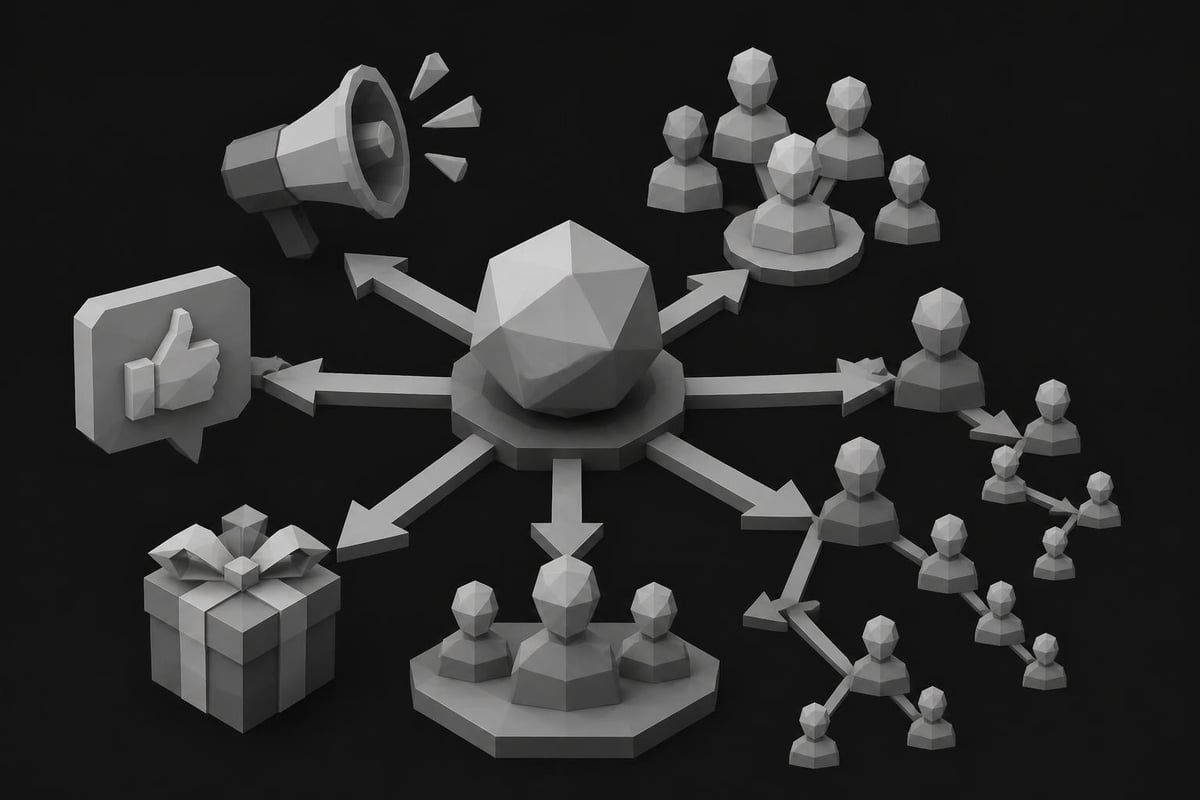
Encourage your customers to create content around your product. Challenges, before-and-after transformations, or creative uses of your digital products can all become viral marketing examples when real users share their experiences.
Build sharing mechanisms directly into your product. Whether it's badges for achievements, shareable results, or social proof elements, make it easy and rewarding for users to spread the word.
Create Shareable Educational Content
Some of the most effective viral marketing examples in the digital product space are educational. Create content that teaches something valuable, and people will share it to look helpful and knowledgeable to their networks.
This could be:
- Quick-win tutorials that solve problems in under 5 minutes
- Comprehensive guides that become go-to resources
- Templates and frameworks people can immediately apply
- Data and research that provides new insights
- Contrarian takes that challenge conventional wisdom
The key is making your audience look good for sharing your content. When someone shares your tutorial, template, or insight, they're positioning themselves as helpful and informed.
Building Your Viral Marketing Strategy for 2026
Looking at these viral marketing examples, you can see some clear patterns emerging. Let's break down how to build a strategy that gives you the best shot at creating something that spreads.
Start with Platform-Specific Content
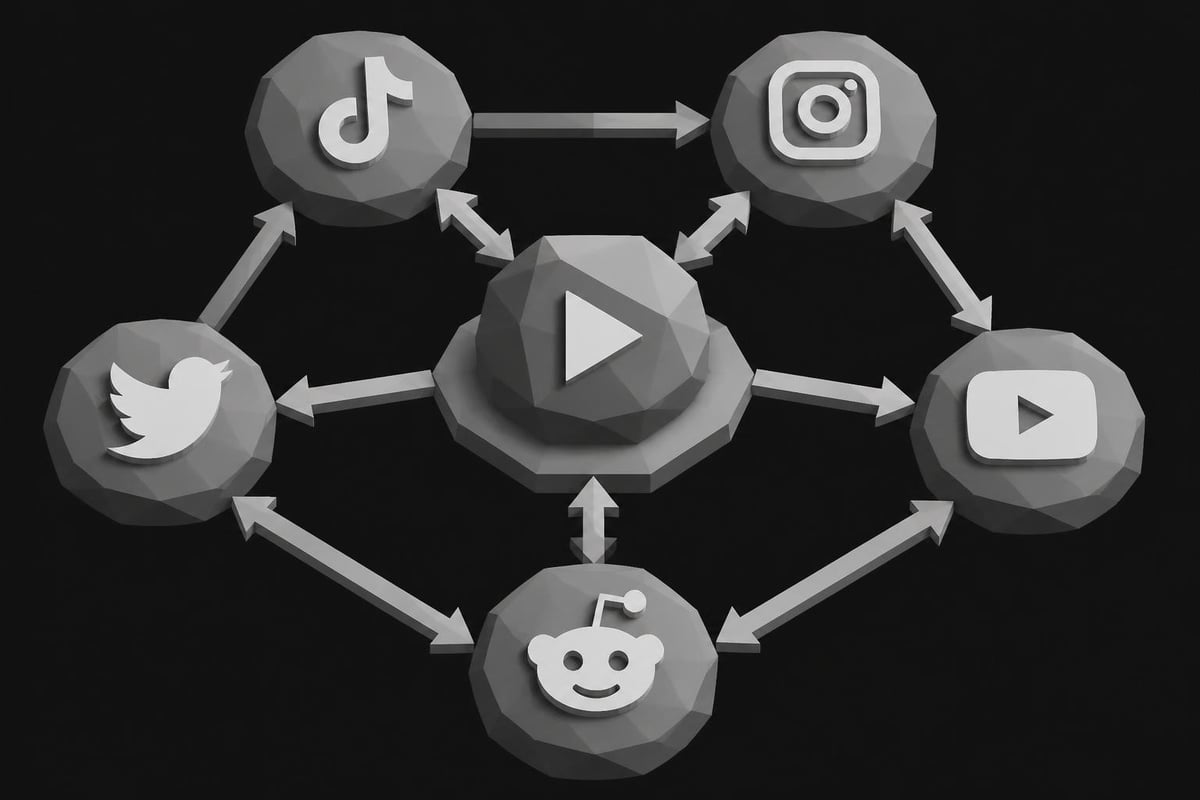
Different platforms have different viral mechanics. What works on TikTok won't necessarily work on LinkedIn. Study successful viral marketing examples on each platform before creating content specifically for that audience.
| Platform | Viral Content Type | Typical Format | Key Success Factor |
|---|---|---|---|
| TikTok | Entertainment, trends | 15-60 second videos | Quick hook, participation |
| Visual stories, reels | Images, short videos | Aesthetic appeal, relatability | |
| Twitter/X | Commentary, humor | Text, threads | Timeliness, shareability |
| Professional insights | Articles, carousels | Expertise, value-driven | |
| YouTube | Deep dives, tutorials | Long-form video | Searchability, retention |
Optimize for the Share Moment
Think about why someone would share your content. Are they trying to make their friends laugh? Show they're informed? Help someone solve a problem? Design content with that sharing motivation in mind.
The best viral marketing examples make sharing feel natural, not forced. Add clear call-to-actions that suggest sharing ("Tag someone who needs this"), but don't beg for it.
Measure What Matters
Views are vanity metrics. What actually matters for digital product businesses is whether viral content drives:
- Email signups building your owned audience
- Product trials getting people into your funnel
- Quality backlinks improving SEO long-term
- Brand mentions increasing overall awareness
- Direct sales the ultimate goal
Track these metrics alongside reach to understand whether your viral moments translate to business results. Some viral marketing examples get massive views but zero conversions because there's no clear path from content to action.
The Role of Paid Amplification in Viral Success
Here's a truth about viral marketing examples that doesn't get discussed enough: many "organic" viral hits had initial paid amplification behind them. Brands often seed content with targeted ads to the right audiences, then let organic sharing take over.
This doesn't mean you need a huge budget. Even $50-100 spent strategically to get your content in front of likely sharers can create the initial momentum needed for organic growth.
Strategic Seeding Approaches
Target your content at influencers and active sharers in your niche rather than broad audiences. Getting 100 views from people who regularly share content is more valuable than 10,000 views from passive scrollers.
Test multiple creative variations with small budgets before scaling. Many successful viral marketing examples started as tests where brands tried 5-10 different approaches and then amplified the one that showed early traction.
Timing your paid boost matters too. Launch campaigns when your target audience is most active and receptive. For B2B digital products, that might be Tuesday-Thursday mornings. For consumer products, evenings and weekends often work better.
Creating Repeatable Viral Systems
Rather than hoping for one-off viral hits, the smartest brands create systems that regularly produce shareable content. Looking at successful viral marketing examples from small businesses, you'll notice they often have repeatable formats that work consistently.
Develop Content Formulas
Create templates for content types that perform well. If your "5 mistakes" posts regularly get shared, create a series. If your before-and-after transformations resonate, make that a weekly feature.
Successful content formulas include:
- Myth-busting posts that challenge common beliefs
- Controversial takes that spark discussion
- Curated lists that save people time
- Behind-the-scenes looks that build connection
- Data visualizations that simplify complex information
The goal isn't to be formulaic to the point of boring, but to understand what your audience responds to and give them more of it with fresh angles.
Build Community Around Your Content
The most sustainable viral marketing examples come from brands with active communities. When you have an engaged audience, they become your distribution network, sharing new content with their networks automatically.
Create spaces where your audience can interact with each other, not just with you. Facebook groups, Discord servers, or Reddit communities around your niche can become viral engines when members share your content because they feel ownership and connection.
Stay Agile and Responsive
Trends move fast in 2026. The ability to jump on moments quickly can make the difference between viral success and being forgotten. Keep your content creation process nimble enough to capitalize on trending topics when they align with your brand.
But there's a balance. Don't force yourself into every trend. The best viral marketing examples from brands feel natural, not desperate. Only jump on trends that genuinely fit your message and audience.
Viral marketing isn't about luck-it's about understanding what makes people share, creating genuinely valuable or entertaining content, and being strategic about distribution. Whether you're inspired by classic campaigns or recent viral hits, the principles remain consistent: know your audience, deliver emotion or value, and make sharing effortless. If you're ready to build digital products that can benefit from these viral strategies, CreateSell provides the tools and guidance to transform your ideas into products that sell themselves, giving you the foundation to experiment with marketing that reaches beyond your immediate network.