
Vibe Coding Tools: Build Apps Without Traditional Code

Modest Mitkus
May 24, 2026
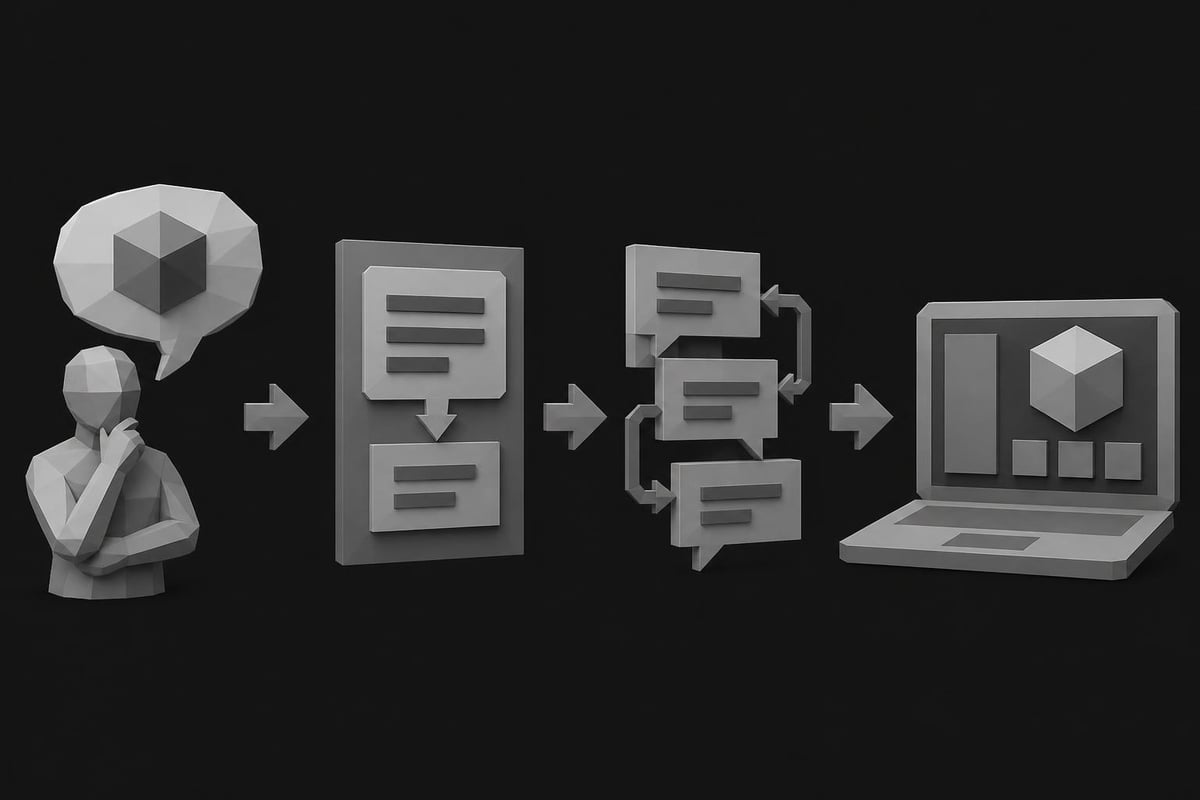
You've probably heard the buzz about vibe coding, but if you're still scratching your head wondering what it actually means, you're not alone. Basically, vibe coding is this new way of building software where you describe what you want in plain English (or whatever language you speak), and AI tools turn your ideas into actual working code. It's like having a super-skilled developer sitting next to you, translating your vision into reality. For anyone who's ever wanted to build an app but felt intimidated by traditional programming, vibe coding tools are changing the game completely. They're especially powerful if you're looking to create digital products that can generate income while you sleep.
What Makes Vibe Coding Different from Traditional Coding
Here's the thing: traditional coding requires you to learn syntax, understand data structures, memorize commands, and debug line by line. It's powerful, but it takes years to master.
Vibe coding flips that script entirely. Instead of writing if (user.isAuthenticated) { return dashboard; }, you just tell the AI "show the dashboard only to logged-in users." The tool handles the implementation details while you focus on what you're actually trying to build.
Key differences include:
- Natural language input instead of programming syntax
- Rapid iteration through conversational refinement
- Visual feedback that shows changes in real-time
- Lower barrier to entry for non-technical creators
- Focus on outcomes rather than implementation details
This doesn't mean traditional coding is dead (it's definitely not), but it does mean that more people can now bring their product ideas to life. According to research on vibe coding practices, developers and non-developers alike are using these tools to speed up prototyping and reduce time-to-market.
The Learning Curve Is Actually a Learning Slide
One of the coolest things about vibe coding tools is how fast you can get started. Most people build their first working prototype within hours, not months. You're essentially learning by doing, refining your prompts as you see what works and what doesn't.
Categories of Vibe Coding Tools You Should Know
Not all vibe coding tools are created equal. They fall into different categories depending on how you like to work and what you're trying to build. Understanding these categories helps you pick the right tool for your specific project.
CLI-Based Coding Agents
These are command-line tools that work with your existing development environment. They're great if you have some technical background and want AI assistance without leaving your terminal.
| Tool Type | Best For | Learning Curve |
|---|---|---|
| CLI Agents | Developers transitioning to vibe coding | Medium |
| IDE Extensions | Those who want AI in familiar editors | Low-Medium |
| Browser Builders | Complete beginners and rapid prototyping | Very Low |
Popular CLI-based options:
- Aider for direct file manipulation
- Continue for terminal integration
- CodeGPT for project-wide assistance
IDE-Based Editors and Extensions
If you prefer working in a traditional code editor like VS Code, there are vibe coding extensions that bring AI assistance right into your workflow. You write natural language comments, and the AI generates the code beneath them.
These tools strike a nice balance between traditional and vibe coding. You still see the code being generated, which helps you learn and make precise adjustments when needed.
Browser-Based No-Code Builders
This is where things get really accessible. Browser-based vibe coding tools let you build entire applications without ever opening a code editor. You describe what you want, see it appear on screen, and refine it through conversation.
For digital product creators, these are often the fastest path from idea to sellable product. The top vibe coding tools of 2026 include several browser-based options that can generate full-stack applications in minutes.
How to Actually Use Vibe Coding Tools Effectively
Okay, so you've picked a tool. Now what? Just typing "make me an app" isn't going to cut it (trust me, we've all tried). Effective vibe coding is about learning to communicate clearly with AI.
Start with a Clear Vision
Before you touch any tool, write down what you're building. What problem does it solve? Who's it for? What are the core features? This clarity makes your prompts 10x more effective.
Your initial prompt should include:
- The type of application (mobile app, web app, SaaS tool)
- Primary user actions (what people will do with it)
- Key features (authentication, payments, database needs)
- Design preferences (style, layout, color scheme)
- Tech constraints (if any specific requirements exist)
When you're learning to create and sell web and mobile apps from scratch with vibe coding, this structured approach saves countless hours of back-and-forth refinement. You'll turn your ideas into products that sell while you sleep much faster when you start with this foundation.
Iterate Through Conversation
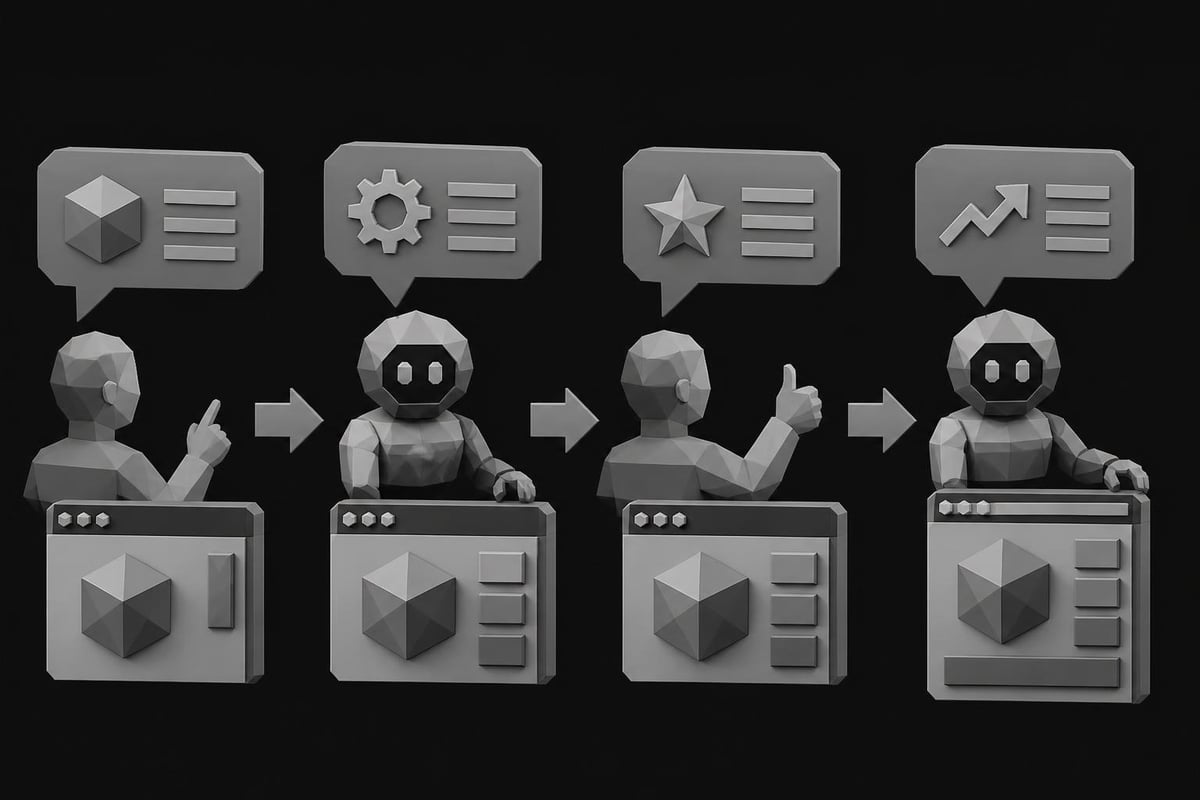
Vibe coding isn't a one-shot deal. You describe something, see the result, then refine. Think of it like working with a design team where you provide feedback in rounds.
"Add a user profile page" → see it → "Make the profile photo bigger and add a bio section" → see it → "Perfect, now add an edit button."
This conversational flow is what makes vibe coding work best for rapid prototyping. You're building layer by layer, checking each addition before moving forward.
Real-World Applications and Success Stories
Let's talk about what people are actually building with vibe coding tools in 2026. It's not just toy projects anymore.
Digital Product Creators Are Winning
Solo entrepreneurs are using vibe coding to launch SaaS products, mobile apps, and web tools that generate monthly recurring revenue. Someone with zero coding background can now build a productivity app, a niche calculator, or a specialized dashboard tool.
The beauty here? You're not limited by your technical skills. You're limited by your creativity and understanding of your market.
Speed to Market Is Insane
Traditional development might take months. With vibe coding, you can validate an idea in days. Build a minimum viable product, get it in front of users, gather feedback, and iterate. All before a traditional project would even finish the requirements phase.
| Development Approach | Time to First Prototype | Cost | Flexibility |
|---|---|---|---|
| Traditional Coding | 4-12 weeks | High | Medium |
| Hiring Developers | 6-16 weeks | Very High | Low |
| Vibe Coding | 1-7 days | Very Low | Very High |
| No-Code (non-AI) | 1-3 weeks | Low | Medium |
From Prototype to Product
Here's where it gets interesting. Many successful digital products in 2026 started as vibe-coded prototypes. The founders used AI tools to validate demand, then either kept building with vibe coding or handed off to traditional developers for scaling.
Indie hackers are sharing how they've built profitable side projects using nothing but vibe coding tools and good product instincts.
Choosing the Right Vibe Coding Tool for Your Project
With dozens of options available, picking the right tool can feel overwhelming. Here's how to narrow it down based on what you're actually building.
For Web Applications and SaaS
If you're building a web-based tool or SaaS product, look for vibe coding platforms that handle full-stack development. You want something that can manage databases, user authentication, API integrations, and responsive design.
Top considerations:
- Does it support the database structure you need?
- Can it integrate with payment processors?
- How easy is deployment and hosting?
- What's the performance like under load?
Comprehensive guides to vibe coding tools break down these technical considerations in detail.
For Mobile Apps
Mobile development has its own requirements. Your vibe coding tool needs to understand platform-specific conventions (iOS vs Android), handle touch interfaces, and manage app store deployment.
Some tools specialize in mobile, while others try to do everything. Specialists often give better results for mobile-specific features like push notifications, camera access, and offline functionality.
For Rapid Prototypes and MVPs
Sometimes you just need to test an idea fast. Browser-based builders excel here. You're trading some customization for incredible speed. Perfect for validating concepts before investing serious time.
Common Pitfalls and How to Avoid Them
Even with AI doing the heavy lifting, there are ways to mess this up. Let's talk about the mistakes people make with vibe coding tools so you can skip them.
Treating AI Output as Production-Ready
This is the big one. The code that vibe coding tools generate is often perfect for prototypes but might not be optimized, secure, or scalable for thousands of users. Experts caution against treating AI-generated code as final production software without review.
What to do instead:
- Use vibe coding for MVP and validation
- Have security reviews before handling real user data
- Optimize performance for production loads
- Add proper error handling and logging
Being Too Vague with Prompts
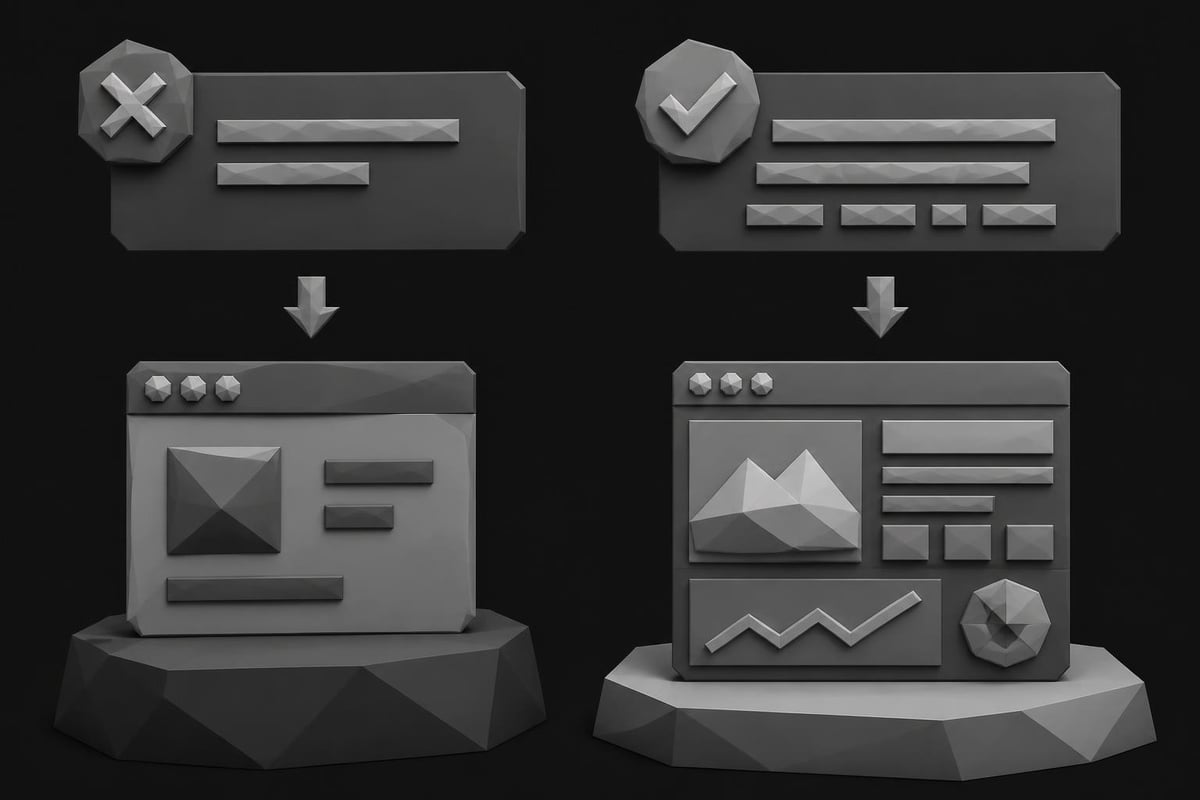
"Make it better" or "add more features" doesn't give the AI enough to work with. The more specific you are, the better your results. Instead of "improve the design," try "make the buttons larger with more padding, use a blue color scheme, and add icons next to menu items."
Ignoring the Learning Curve of Prompting
Yes, vibe coding is easier than traditional coding, but there's still a skill to learn. Good prompting is an art. You'll get better with practice, so don't get discouraged if your first attempts don't nail it.
Study effective vibe coding workflows and prompts to accelerate your learning.
The Future of Vibe Coding Tools
Where is all this headed? The trajectory is pretty clear: vibe coding tools are getting smarter, faster, and more capable every month.
AI Models Keep Improving
Each new generation of language models understands context better, writes cleaner code, and makes fewer mistakes. What required 10 rounds of refinement in 2024 might take 2 rounds in 2026.
Integration with Traditional Development
Rather than replacing traditional coding, vibe coding is becoming part of the developer toolkit. Even experienced programmers use these tools to speed up repetitive tasks and prototype faster.
More Specialized Tools
We're seeing vibe coding tools emerge for specific niches: e-commerce platforms, educational apps, gaming, data visualization. Specialization means better results for those use cases.
| Trend | Impact | Timeline |
|---|---|---|
| Multi-modal AI (voice, images) | Build apps by talking or sketching | Already here |
| Better code quality | Production-ready output | 1-2 years |
| Platform-specific optimization | Native performance | Ongoing |
| Collaborative vibe coding | Teams working together with AI | Next 6-12 months |
Democratization of App Development
This is the real revolution. Vibe coding tools are removing the barrier between having an idea and having a working product. Anyone with creativity and market understanding can now build digital products.
For creators looking to transition from selling their time to selling digital products, this shift is everything. You no longer need a technical co-founder or a big development budget to launch.
Skills That Matter in the Vibe Coding Era
So if vibe coding tools handle the code, what skills should you focus on developing?
Product Thinking
Understanding what users need, how to validate ideas, what features matter most. This hasn't changed and never will. Great products come from great product sense, not just great code.
Clear Communication
Your ability to describe what you want clearly, provide useful feedback, and iterate based on results directly impacts your success with vibe coding tools.
Design Fundamentals
Even if AI generates the layout, understanding basic UX principles helps you guide it in the right direction. You don't need to be a designer, but knowing what makes interfaces intuitive helps a lot.
Core skills for vibe coding success:
- Problem identification (what needs solving?)
- User empathy (who's this for?)
- Prompt engineering (how to ask for what you want)
- Quality assessment (is this good enough?)
- Iteration mindset (making it better through feedback)
Marketing and Distribution
Building the product is only half the battle. Knowing how to reach your audience, validate demand, and actually make sales separates successful digital product creators from hobbyists.
Getting Started Today
Ready to dive in? Here's your action plan for starting with vibe coding tools this week.
Step 1: Pick One Tool and Commit
Don't try to learn five tools at once. Choose one that matches your goals (web app, mobile app, or general prototyping) and spend time mastering it.
Curated toolboxes can help you compare options and make an informed choice.
Step 2: Build Something Small First
Don't start with your million-dollar idea. Build a simple calculator, a to-do list, or a basic landing page. Learn the prompting patterns without the pressure of launching a business.
Step 3: Join the Community
There are growing communities around vibe coding where people share prompts, troubleshoot issues, and showcase what they're building. Learn from others who are a few steps ahead.
Step 4: Document Your Learning
Keep notes on what prompts work well, what doesn't, and patterns you discover. You're essentially learning a new language (the language of effective AI prompting), and documentation helps.
Step 5: Ship Something Real
Once you've got the basics down, build and launch an actual product. Even if it's small and niche, there's nothing like real users to teach you what matters.
The best part? You can go from complete beginner to shipping your first digital product in weeks, not years. That's the power of modern vibe coding tools combined with the right mindset.
Vibe coding tools are reshaping who gets to build software and how fast ideas become reality. They're particularly powerful for anyone looking to create digital products that generate passive income. If you're ready to stop trading hours for dollars and start building apps that work for you, CreateSell provides everything you need to learn vibe coding from scratch and launch profitable web and mobile apps. With structured courses and proven frameworks, you'll fast-track your journey from idea to income-generating digital product.