
Vibe Code: Build Apps with Ideas, Not Just Skills

Modest Mitkus
March 7, 2026
You've got a killer app idea. Maybe it's a productivity tool, a niche marketplace, or a mobile game that could actually make money while you sleep. But there's one problem: you're not a developer with years of coding experience. Enter vibe code, the game-changing approach that's turning everyday people into digital product creators. Instead of spending months learning programming languages, you describe what you want in plain English, and AI tools build it for you. It's not magic, it's just the next evolution of how we create software in 2026.
What Exactly Is Vibe Code
Think of vibe code as having a conversation with your computer about what you want to build. You're basically vibing with AI to create software. Vibe coding uses natural language prompts to generate functional code, letting you focus on the "what" instead of the "how." You might type something like "create a landing page with email signup and Stripe payment integration," and the AI interprets your intent and writes the actual code.
This isn't just autocomplete on steroids. It's a complete rethinking of how we approach building digital products. Traditional coding requires you to know syntax, understand frameworks, and debug endless errors. With vibe code, you're working at a higher level of abstraction.
The beauty here is accessibility. You don't need to memorize every CSS property or JavaScript function. You need to know what you want your product to do and communicate that clearly.
The Tools Making It Possible
The vibe code revolution is powered by some seriously impressive platforms. Each one has different strengths depending on what you're building.
| Tool | Best For | Key Feature |
|---|---|---|
| Cursor | Professional apps | Deep IDE integration |
| Replit | Quick prototypes | Browser-based development |
| v0 by Vercel | UI components | React code generation |
| Bolt.new | Full-stack apps | Complete deployment |
According to TechRadar's comparison of vibe coding tools, these platforms are becoming increasingly sophisticated. They're not just generating simple scripts anymore. We're talking full applications with databases, authentication, and payment processing.
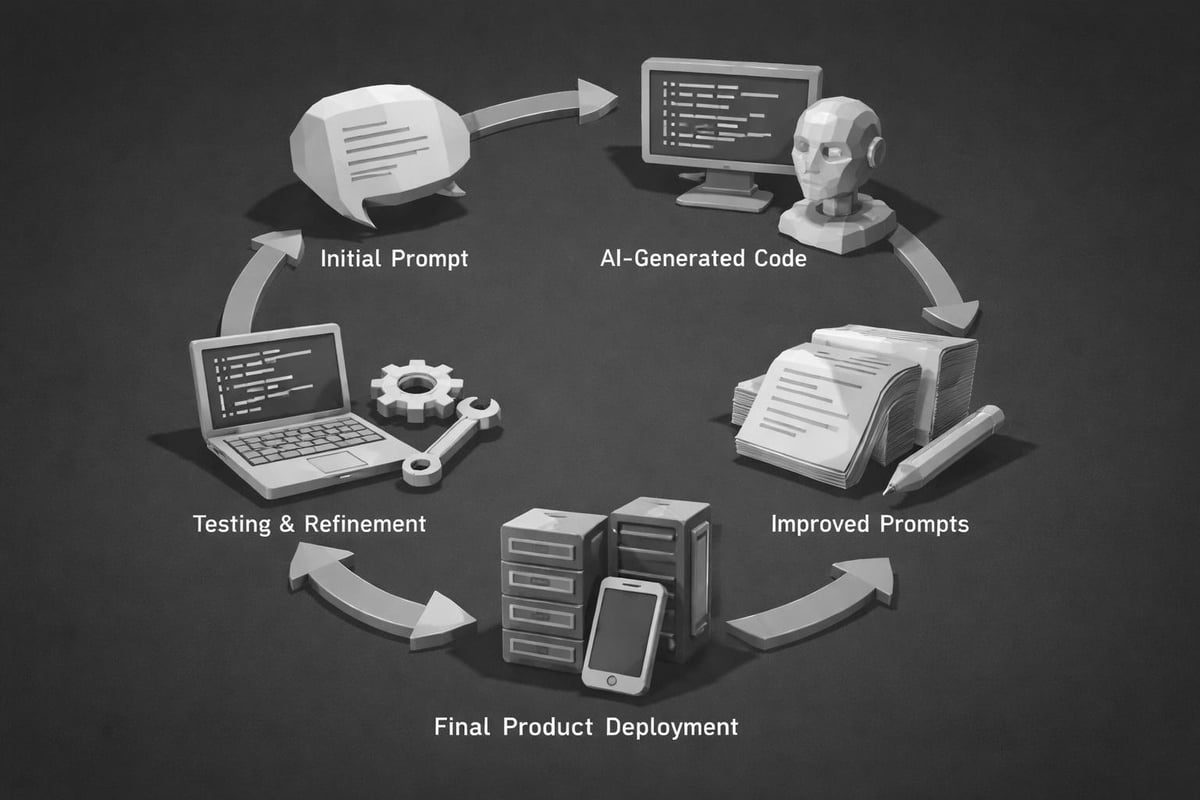
The real power comes from iteration. You build something, see what works, then refine your prompts to improve it. It's more like sculpting than traditional programming.
Why Digital Product Creators Should Care
Here's where things get interesting for anyone wanting to create and sell digital products. Time is your most valuable asset. Every hour you spend learning to code is an hour you're not validating your idea, building your audience, or making sales.
Vibe code compresses the timeline from idea to market. What used to take months can now happen in days or even hours. You can test multiple product concepts before committing to one. Launch a beta version, get real user feedback, then iterate based on what people actually want.
Speed advantages:
- Build MVPs in days, not months
- Test multiple variations quickly
- Pivot without starting from scratch
- Ship updates based on user feedback
But here's what most people miss: vibe code isn't just about speed. It's about lowering the barrier between your brain and the market. You can focus on solving real problems instead of wrestling with technology.
The Learning Curve Reality
Let's be honest. Vibe code still has a learning curve, just a different one. Instead of learning programming syntax, you're learning prompt engineering. You need to communicate clearly with AI, understand what's possible, and know when to push back on generated code that doesn't quite hit the mark.
Salesforce's vibe coding guide emphasizes this point. Natural language becomes your programming interface, but you still need domain knowledge. If you're building a fitness app, you need to understand fitness. If you're creating a financial tool, you need to grasp the underlying logic.
The difference is you're spending time on business logic and user experience instead of semicolons and bracket placement. That's a trade most digital product creators will happily make.
Building Real Products With Vibe Code
Theory is great, but let's talk practical application. Say you want to create a simple web app that helps freelancers track their time and generate invoices. With traditional coding, you'd need to learn frontend frameworks, backend development, database management, and deployment processes.
With vibe code, you'd approach it differently:
- Describe the core features in natural language
- Generate the initial codebase using your chosen AI tool
- Test the basic functionality with real data
- Refine specific components through targeted prompts
- Deploy to production using platform integrations
This is exactly how people are building simple websites that make money in 2026. They're not necessarily better programmers. They're better at articulating what they need and leveraging AI to build it.
What You Can Actually Build
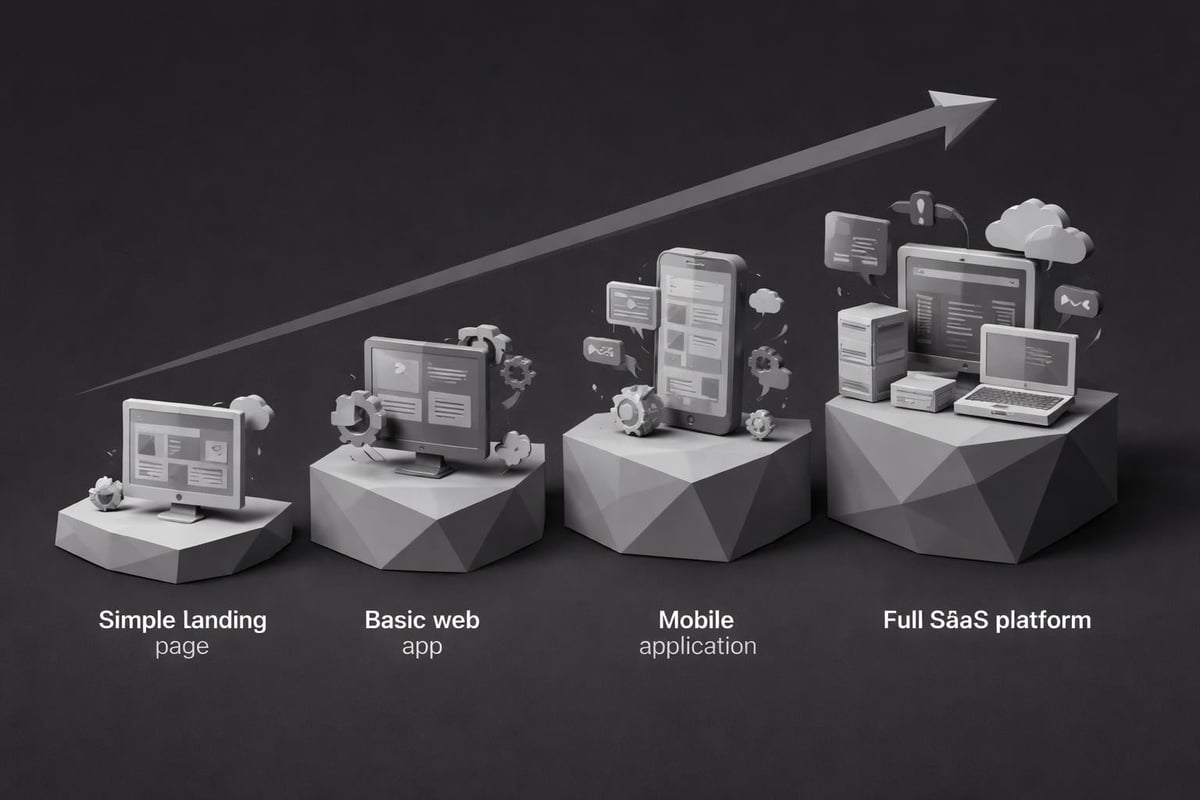
The range is honestly pretty impressive. We're seeing vibe code used for everything from basic CRUD apps to sophisticated SaaS platforms. Here's what's realistic for someone without a traditional coding background:
Totally doable:
- Landing pages with email capture
- Simple mobile apps for iOS and Android
- Internal tools and automation scripts
- Content management systems
- E-commerce storefronts with payment integration
- APIs that connect different services
More challenging but possible:
- Complex multi-user platforms
- Real-time applications like chat systems
- Advanced data visualization tools
- Custom CRM systems
The key is starting simple and building complexity gradually. Your first vibe code project probably shouldn't be the next Instagram. But a focused tool that solves one specific problem? Absolutely achievable.
The Security and Quality Question
Here's where things get real. Even Linus Torvalds has weighed in, saying vibe code is fine for learning and personal projects but not for critical systems. That's actually perfect for digital product creators just starting out.
When you're building your first product, you're not launching mission-critical infrastructure. You're testing an idea, validating demand, and learning what your market actually wants. Vibe code is ideal for this phase.
But security matters even for simple apps. According to Veracode's analysis, AI-generated code can have vulnerabilities. You need to implement proper testing and security scanning.
Best Practices for Vibe Code Projects
Smart digital product creators treat vibe code as a tool, not a magic solution. Here's how to use it effectively:
- Review generated code before deploying anything
- Use security scanning tools to catch common vulnerabilities
- Test with real users early and often
- Keep prompts specific and break complex features into smaller chunks
- Version control everything so you can roll back if needed
- Understand the basics of what the code is doing, even if you didn't write it
Think of yourself as a director rather than a camera operator. You don't need to know every technical detail, but you need to guide the overall vision and ensure quality standards.
Monetizing Your Vibe Code Creations
Building the product is only half the battle. The real question is whether people will pay for what you've created. This is where understanding steps to sell becomes crucial.
Vibe code gives you speed to market, which means you can test pricing and positioning faster. Launch with a simple payment integration (Stripe, PayPal, Gumroad) and see if people actually pull out their credit cards.
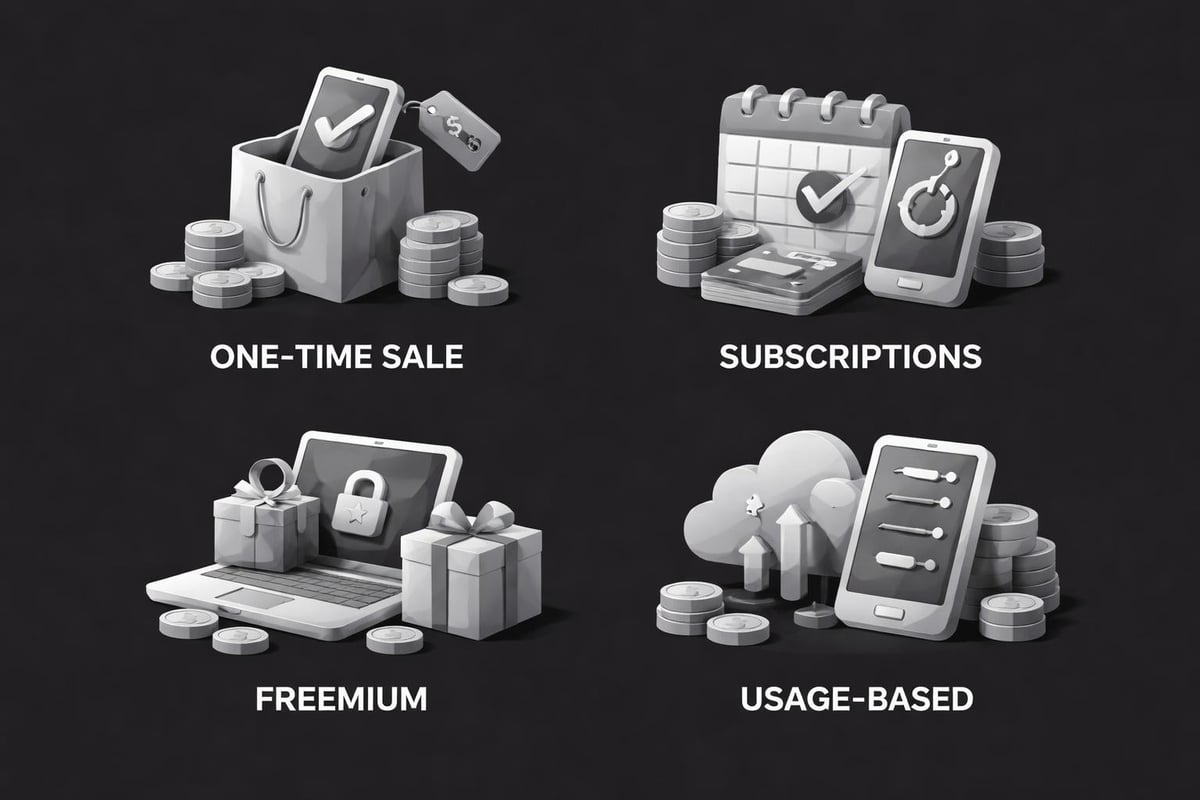
| Monetization Model | Best For | Vibe Code Difficulty |
|---|---|---|
| One-time purchase | Tools, templates, apps | Easy |
| Subscription | SaaS, ongoing value | Moderate |
| Freemium | User-driven growth | Moderate |
| Usage-based | API products, services | Advanced |
The key insight here: start simple. Don't build complex subscription logic into your first product. Sell it once, validate demand, then add sophistication as you grow.
Real Product Examples
People are already making money with vibe code products. We're seeing Chrome extensions that solve specific problems, mobile apps that serve niche audiences, and web tools that automate annoying tasks. These aren't venture-backed startups. They're solopreneurs building sustainable one-person businesses.
One creator built a Twitter thread formatter in a weekend using vibe code. It's not revolutionary technology, but it solves a real problem and generates consistent monthly revenue. Another used Replit to create a simple invoice generator specifically for yoga instructors. Super niche, but perfect for that audience.
The common thread? They solved specific problems for specific people. They didn't try to build everything at once.
The Future of Vibe Code for Creators
Looking ahead, vibe code is only getting more powerful. Enterprise partnerships are bringing this technology to larger organizations, which means the tools will improve rapidly. More refinement, better security, easier deployment.
For digital product creators, this creates an opportunity window. Right now in 2026, you can learn vibe code while competition is still figuring out traditional development. You can build a portfolio of products that generate passive income while others are still stuck in tutorial hell.
But there's also a responsibility angle. Research suggests that vibe coding might impact open-source software development. As creators, we should contribute back to the communities that make these tools possible. Share your prompts, document your process, help others learn.
Getting Started Today
You don't need to wait. Pick one of the vibe coding platforms mentioned earlier and start experimenting. Build something small and useless just to understand the workflow. Then tackle a simple product idea you've been sitting on.
Your first vibe code project checklist:
- Choose a problem you personally experience
- Describe the solution in plain language
- Pick a vibe coding tool that matches your needs
- Build the simplest possible version
- Test it with five real people
- Iterate based on feedback
- Add basic payment processing
- Launch publicly
The biggest mistake is overthinking it. You learn by doing, not by planning endlessly. Your first product will have flaws. That's fine. Ship it anyway and improve version two based on what you learn.
Combining Vibe Code With Business Skills
Here's something most articles about vibe code miss: the technology is only part of building a successful digital product business. You still need to understand marketing, positioning, customer development, and sales.
Think about it. You can build the most elegant app using vibe code, but if nobody knows it exists, you've just created an expensive hobby. That's why developing high-income skills alongside technical abilities matters so much.
The ideal approach combines vibe code for rapid product development with solid business fundamentals. Learn how to build an audience before you launch. Understand product landing pages that actually convert. Master email sequences that nurture leads into customers.
Vibe code gives you the superpower of execution speed. Business skills give you the strategy to make that execution actually profitable. Together, they're incredibly powerful for anyone building a one-person digital product empire.
Vibe code represents a fundamental shift in who can build software products and how quickly they can bring ideas to market. For aspiring digital product creators, it's the difference between spending years learning to code or spending weeks building something people will actually pay for. If you're ready to transform your knowledge and ideas into digital products that generate income while you sleep, CreateSell provides the roadmap, resources, and expert guidance to help you build your one-person business using cutting-edge approaches like vibe coding. Stop trading time for money and start creating products that scale.