
ShipFast: Your Blueprint for Rapid Product Development

Modest Mitkus
March 6, 2026
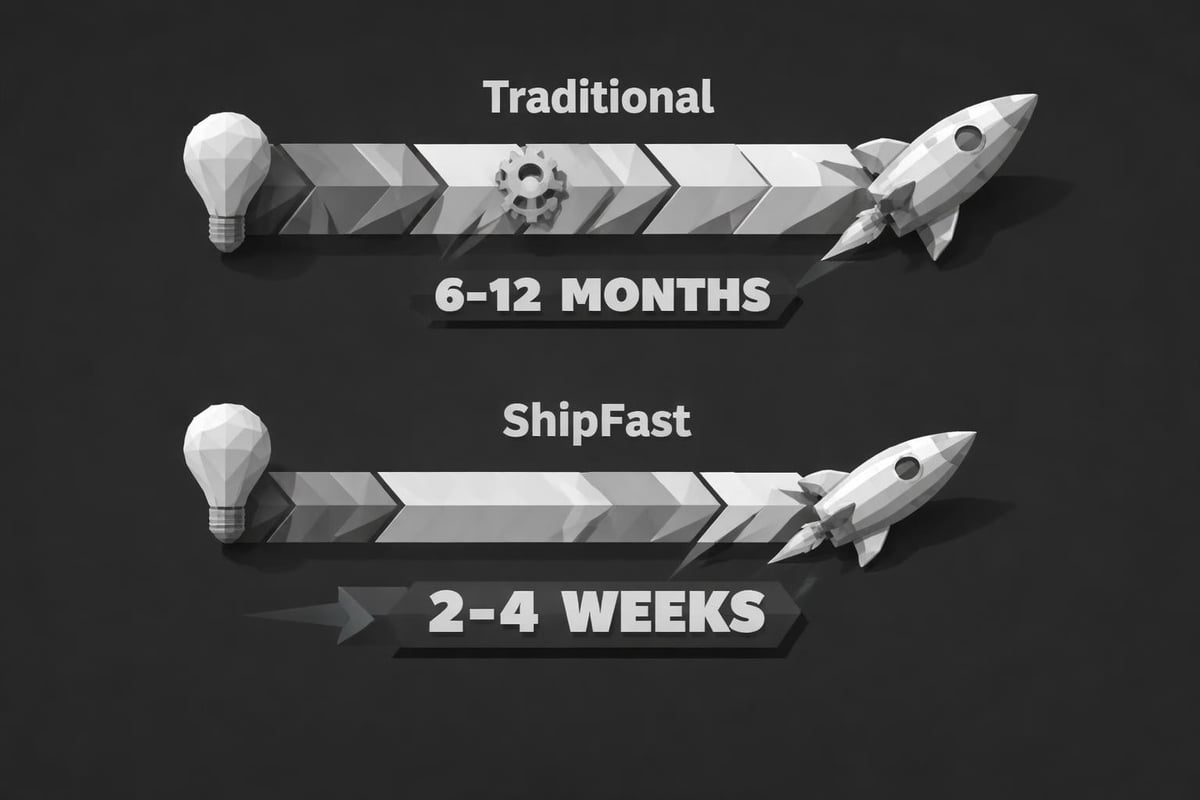
Building a digital product used to take months or even years. You'd spend countless hours coding authentication, payment systems, email integrations, and all those other features that every app needs. But what if you could skip all that tedious setup and focus on what actually makes your product unique? That's where the shipfast approach comes in-a methodology and ecosystem of tools designed to help you launch digital products faster than you ever thought possible. Whether you're a solo developer looking to validate your ideas quickly or an entrepreneur ready to build your first digital product, understanding how to shipfast can be the difference between actually launching and staying stuck in development hell.
Why Speed Matters When Building Digital Products
Time is your most valuable asset as a creator. Every week you spend building is another week you're not getting feedback from real users, not generating revenue, and potentially watching competitors beat you to market.
The traditional approach to building web and mobile apps is broken. You start with grand ambitions, spend months setting up infrastructure, and by the time you're ready to launch, the market has moved on or you've burned out. Sound familiar?
Here's what happens when you prioritize speed:
- You validate ideas before investing too much time
- You start earning revenue sooner
- You learn what users actually want instead of what you think they want
- You maintain momentum and motivation
- You can iterate quickly based on real feedback
The shipfast mindset isn't about cutting corners or shipping buggy products. It's about eliminating unnecessary work and focusing on what truly matters for your MVP. Think of it as the difference between building a house from scratch versus using prefab components-you still get a house, but you get there way faster.
Understanding the ShipFast Ecosystem
When people talk about shipfast, they're often referring to different but related things. Let's break down what's actually available and how each option fits different needs.
The NextJS Boilerplate Approach
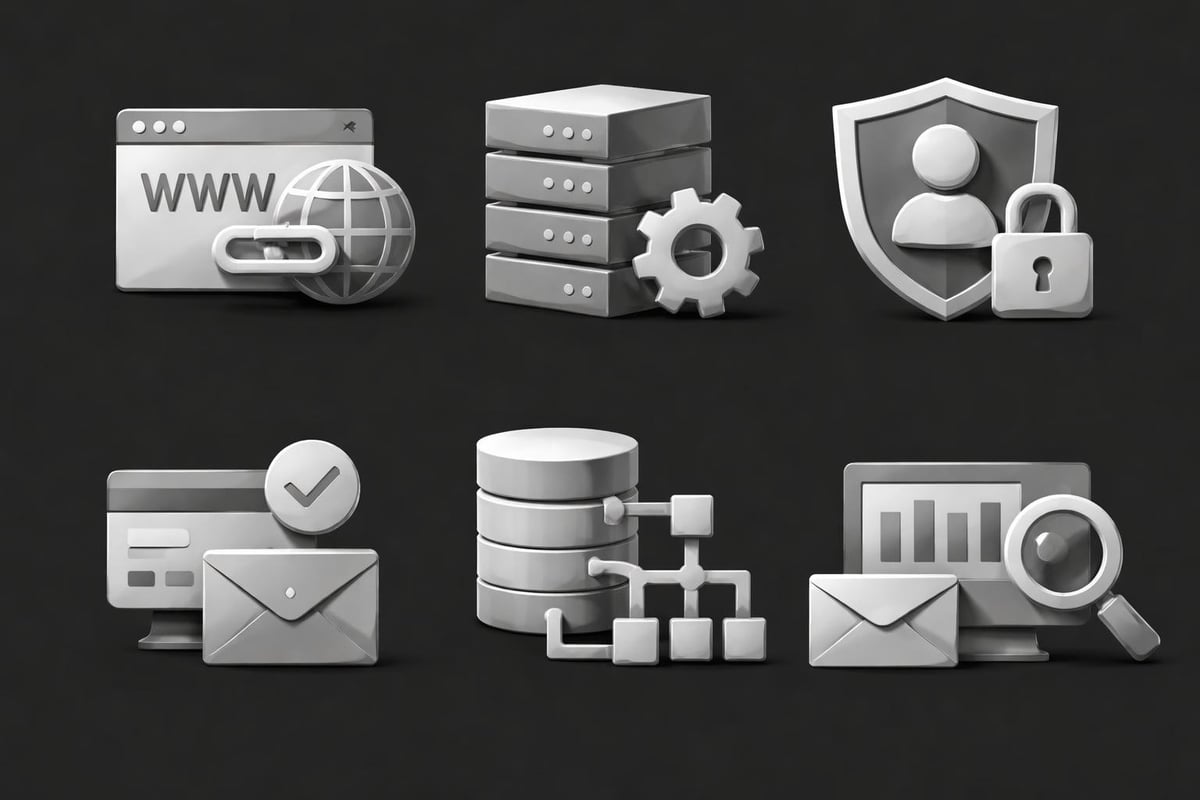
One of the most popular shipfast solutions is a comprehensive NextJS boilerplate that gives you all the essentials out of the box. We're talking authentication, payment processing with Stripe, email integration, database setup, SEO optimization, and more.
| Feature | What You Get | Time Saved |
|---|---|---|
| Authentication | Pre-built login, signup, password reset | 1-2 weeks |
| Payments | Stripe integration with webhooks | 1-2 weeks |
| Automated transactional emails | 3-5 days | |
| Database | Configured with ORMs and migrations | 1 week |
| SEO | Meta tags, sitemaps, structured data | 3-5 days |
This approach is perfect if you're comfortable with code and want full control over your product. You're essentially getting a head start with proven components that you can customize to your heart's content.
The Development Agency Path
Maybe you don't want to code at all, or you need a more polished product from day one. That's where ShipFast as an AI-powered development agency comes in. They'll design, build, and launch your entire product in weeks using their AI-enhanced development process.
This option makes sense when you're validating a bigger idea or need professional design and development expertise. You still get the speed advantage, but with a team handling the technical heavy lifting.
The AI-Powered MVP Builder
There's also ShipFast AI's two-week MVP service, which combines AI agents with expert engineers to build your minimum viable product at a fixed price. This hybrid approach leverages AI for the repetitive stuff while keeping humans in charge of the important decisions.
How to Shipfast with Your Digital Product Idea
Ready to actually implement this? Here's your game plan for going from idea to launched product as quickly as possible.
Step 1: Ruthlessly Define Your MVP
This is where most people screw up. They try to build everything at once. Your MVP should have exactly one core feature that solves one specific problem. That's it.
Write down every feature you think you need, then cut 80% of them. Seriously. You can always add features after launch based on what users actually request.
Step 2: Choose Your Shipfast Approach
Based on your skills and resources, pick the right path:
- DIY with boilerplate if you code and want maximum control
- Hire an agency if you need professional results without technical skills
- Use AI-assisted development if you want a middle ground
The platforms you choose for selling your digital products will also influence your technical decisions. If you're planning to sell through established marketplaces, you might need different integrations than if you're building a standalone SaaS product.
Step 3: Set Up Your Foundation in Days, Not Weeks
This is where shipfast tools really shine. Instead of spending two weeks just getting user authentication working, you're done in an afternoon. Use that saved time to actually build your unique value proposition.
Step 4: Build in Public
Share what you're building on social media, in relevant communities, and with potential users. This serves two purposes: you're building an audience before launch, and you're getting feedback that keeps you focused on what matters.
Building your audience while you build your product is one of the smartest strategies for ensuring you actually have customers when you launch.
Common Shipfast Mistakes to Avoid
You'd think that with a faster development process, there'd be fewer ways to mess up. But speed can actually amplify certain mistakes if you're not careful.
Over-Customizing the Boilerplate
If you go the boilerplate route, resist the urge to rewrite everything to match your preferred coding style. The whole point is to use proven code that works. Customize what you need for your unique features, but leave the standard stuff alone.
Skipping User Research
Moving fast doesn't mean moving blind. Before you write a single line of code, talk to potential users. Understand their pain points. Validate that your solution actually addresses a real problem.
A shipfast approach should accelerate validated ideas, not help you build the wrong thing faster.
Ignoring Technical Debt
Yes, you want to launch quickly. No, that doesn't mean writing garbage code that'll break in production. The beauty of using established boilerplates or professional agencies is that you're building on solid foundations. Don't undermine that by taking shortcuts where they actually matter.
Forgetting About Marketing
Here's a hard truth: your product won't sell itself, no matter how fast you built it. While you're in shipfast mode on the development side, you should also be in shipfast mode on the marketing side.
Set up your landing page, start collecting email addresses, create content that attracts your target audience, and plan your launch strategy from day one.
Maximizing Your Shipfast Investment
Whether you're using a $199 boilerplate or investing thousands in an agency build, you want to squeeze maximum value from that investment. Here's how to think about it strategically.
Treat It as a Learning Experience
Even if your first shipfast product doesn't become a million-dollar business, you're learning the entire process. You're discovering what it takes to create and sell digital products, and that knowledge compounds with every project you tackle.
Plan for Iteration
Your first version will not be perfect. That's completely fine and totally expected. The shipfast philosophy is about getting something real into users' hands so you can learn what to build next.
Budget time and resources for improvements based on real usage data. Monitor what features people actually use, where they get stuck, and what they request most often.
Leverage the Community
Most shipfast tools come with communities of other builders. These are goldmines for troubleshooting, sharing strategies, and finding inspiration. Don't build in isolation when you have access to hundreds or thousands of people on the same journey.
The Business Side of Shipping Fast
Technical speed is only half the equation. You also need to move quickly on the business side to actually turn your product into income.
Pricing Strategy
Don't spend months agonizing over perfect pricing. Research competitors, pick a number that feels reasonable, and adjust based on real market feedback. Understanding pricing psychology helps, but action beats analysis paralysis.
| Pricing Approach | Pros | Cons | Best For |
|---|---|---|---|
| Freemium | Rapid user growth | Conversion challenges | Viral products |
| One-time payment | Simple, immediate revenue | Limited lifetime value | Tools, templates |
| Subscription | Predictable income | Higher barrier to entry | Ongoing value |
| Usage-based | Scales with customer success | Complex billing | API products |
Revenue Models That Work
Consider how you'll generate income before you launch. The shipfast approach works brilliantly with the recurring revenue model, where you're building sustainable monthly income rather than constantly hunting for new customers.
Distribution Channels
Where will you actually sell your product? Websites designed for selling digital products give you different options depending on whether you want to own the customer relationship or leverage existing marketplaces.
Real-World Applications for Solopreneurs
Let's get concrete. What kinds of digital products can you actually shipfast in 2026?
SaaS Tools and Web Apps
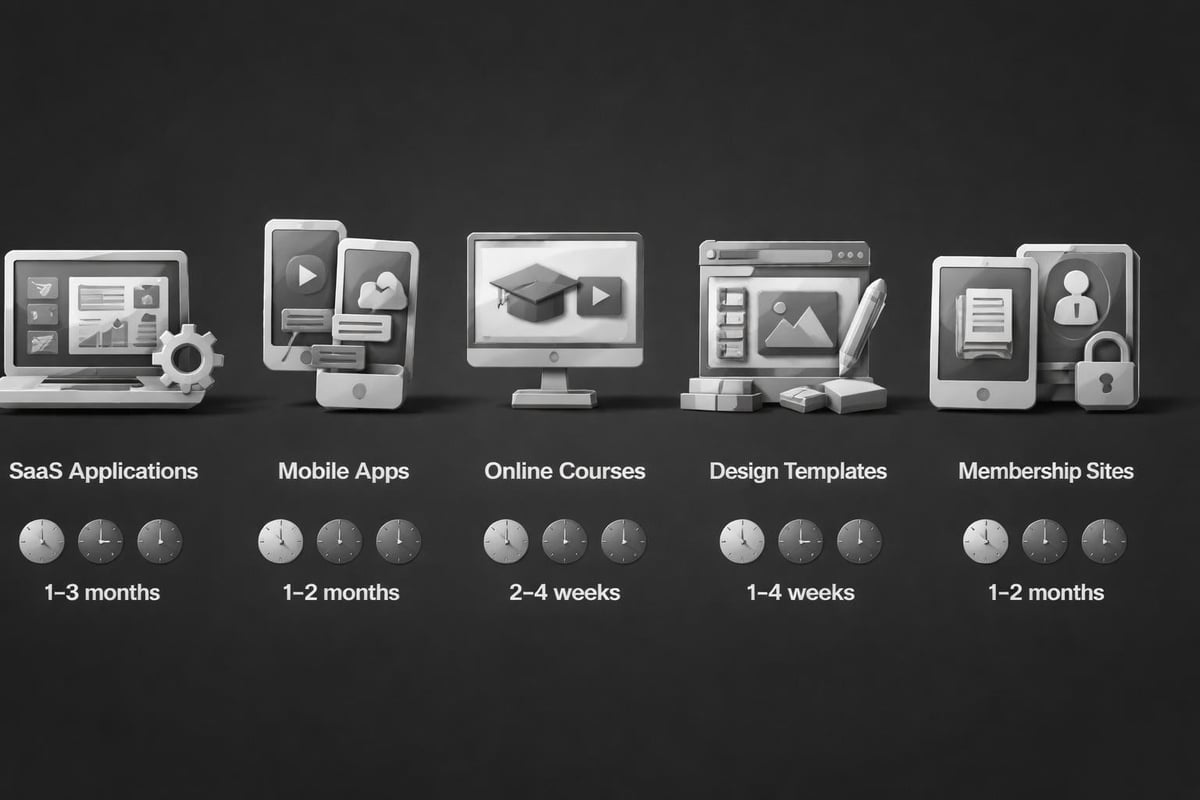
This is the sweet spot for shipfast methodologies. Whether you're building a project management tool, a content generator, or a specialized calculator, you can get from zero to launched in weeks instead of months.
The key is picking a narrow niche where you can deliver real value without competing directly with established giants. Think "email tool for podcast hosts" rather than "email marketing platform."
Mobile Applications
With the right boilerplate, you can build cross-platform mobile apps surprisingly quickly. The same components that power your web app-authentication, payments, data storage-translate directly to mobile experiences.
Digital Product Businesses
You don't have to build software to benefit from shipfast thinking. The methodology applies just as well to creating courses, templates, ebooks, or any other digital product. The question is always: what's the fastest path from idea to validation?
For example, instead of spending three months creating a comprehensive course, you could shipfast an email series that teaches the same concepts. See if people actually want what you're teaching, then expand into a full course based on feedback.
Scaling Beyond Your First Product
Here's where things get really interesting. Once you've successfully launched your first shipfast product, you've unlocked a superpower: the ability to test multiple ideas without massive time investments.
Many successful solopreneurs run portfolios of small digital products rather than betting everything on one big idea. The shipfast approach makes this strategy viable because you can launch new products in weeks, test market response, and double down on what works.
Building Your Product Pipeline
Think of yourself as managing a pipeline of ideas at different stages. You might have:
- 3-5 ideas you're validating through conversations and landing pages
- 1-2 products in active development using shipfast tools
- 2-3 launched products that you're improving based on user feedback
- 1 product that's found product-market fit and deserves more marketing attention
This portfolio approach reduces risk while maximizing your chances of hitting on something that really resonates with the market.
Automation is Your Friend
As you scale, automate everything that doesn't require your unique expertise. Use the same principle that makes shipfast development work-don't reinvent the wheel-and apply it to your operations.
Email sequences, customer onboarding, payment processing, basic support questions-all of this can run on autopilot, freeing you to focus on creating and improving your products.
Staying Motivated Through the Ship Fast Journey
Let's be real for a second. Building products is hard, even with all the advantages that modern tools provide. You'll hit moments where you question whether it's worth the effort.
The shipfast philosophy helps here too. When you see real progress every single day instead of drowning in months of invisible infrastructure work, you maintain momentum. You stay excited because you can see your product taking shape in real-time.
Celebrate Small Wins
Got authentication working? That's worth celebrating. First test user signed up? Break out the good coffee. Someone paid actual money for your product? That's a genuine milestone regardless of the amount.
These small wins compound into big outcomes, but only if you acknowledge and appreciate them along the way.
Join the Movement
Building digital products doesn't have to be a lonely endeavor. The shipfast community is full of people documenting their journeys, sharing what's working, and supporting each other through the challenges.
Whether you connect through Twitter, indie hacker forums, or dedicated communities around specific tools like comprehensive NextJS boilerplates, you'll find your people. Learn from their experiences and share your own.
The Future of Fast Product Development
As we move deeper into 2026, the tools for rapid product development just keep getting better. AI is handling more of the routine coding tasks. No-code and low-code platforms are becoming more powerful. The barriers to building and launching digital products are lower than they've ever been.
But here's the thing: lower barriers mean more competition. Everyone can shipfast now, which means the differentiator isn't just speed-it's speed plus unique value. You need to move quickly and build something people actually want.
The winners in this environment will be the builders who combine rapid development with deep customer understanding. The ones who can validate ideas quickly, ship products fast, gather feedback efficiently, and iterate relentlessly.
That's your competitive advantage as a digital product creator in 2026. Not just the ability to build quickly, but the discipline to build the right things quickly.
The shipfast methodology isn't just about development speed-it's about respecting your time and validating your ideas before making massive investments. Whether you leverage boilerplates, agencies, or AI-assisted development, the goal remains the same: get your digital products into users' hands as quickly as possible so you can learn, improve, and build a sustainable business. Ready to stop trading hours for dollars and start building products that generate income while you sleep? CreateSell gives you the complete roadmap for transitioning from service provider to digital product entrepreneur, with courses and resources that help you build, launch, and scale your product business using modern development approaches and proven marketing strategies.