
SaaS Revenue Model: Build Predictable Income in 2026

Modest Mitkus
May 10, 2026
Building a successful digital product business isn't just about creating something people want-it's about designing a revenue model that keeps your income predictable and scalable. If you're thinking about launching a SaaS product or already have one in the works, understanding how different saas revenue model options work can make the difference between building a sustainable business and struggling to keep the lights on. The beauty of the subscription-based approach is that you're not starting from zero every month, which is exactly what happens when you're selling your time as a service.
What Makes a SaaS Revenue Model Different
Traditional software companies used to charge thousands upfront for a license, then hope customers would pay for upgrades years later. The saas revenue model flipped this completely on its head. Instead of one big payment, you're collecting smaller amounts regularly-monthly or yearly-in exchange for continuous access to your product.
This shift changes everything about how you build and grow your business. You're not hunting for the next big sale constantly. Instead, you're focused on keeping customers happy so they stick around month after month. The subscription-based approach has revolutionized how software companies operate, making revenue more predictable and customer relationships more valuable.
The Core Components
Every saas revenue model built around subscriptions shares a few key elements:
- Recurring payments that happen automatically without chasing invoices
- Continuous value delivery through updates, support, and new features
- Customer retention focus since keeping existing customers is cheaper than finding new ones
- Scalable infrastructure that can handle growth without proportional cost increases
The predictability factor is huge when you're running a one-person business or small team. Knowing you've got $5,000 in monthly recurring revenue coming in next month lets you plan, invest in improvements, and sleep better at night.
Popular SaaS Pricing Structures You Should Know
Choosing the right pricing structure for your digital product is like picking the foundation for a house. Get it right, and everything else becomes easier. Get it wrong, and you'll be doing expensive renovations later.
Flat-Rate Subscription
This is the simplest approach-everyone pays the same amount and gets the same features. Think Netflix. You charge $29/month, and every customer gets full access to everything you've built.
Pros:
- Super easy to explain and sell
- Simple to manage from a technical standpoint
- Lower decision fatigue for customers
Cons:
- Leaves money on the table from customers who'd pay more
- Doesn't work well if you have diverse customer segments
- Hard to upsell existing customers
Tiered Pricing
Different pricing tiers allow you to capture various customer segments by offering packages like Basic, Pro, and Enterprise. Each tier includes progressively more features or higher usage limits.
This is probably the most common saas revenue model you'll see in 2026. It works because it gives customers choice while creating a natural upgrade path as their needs grow.
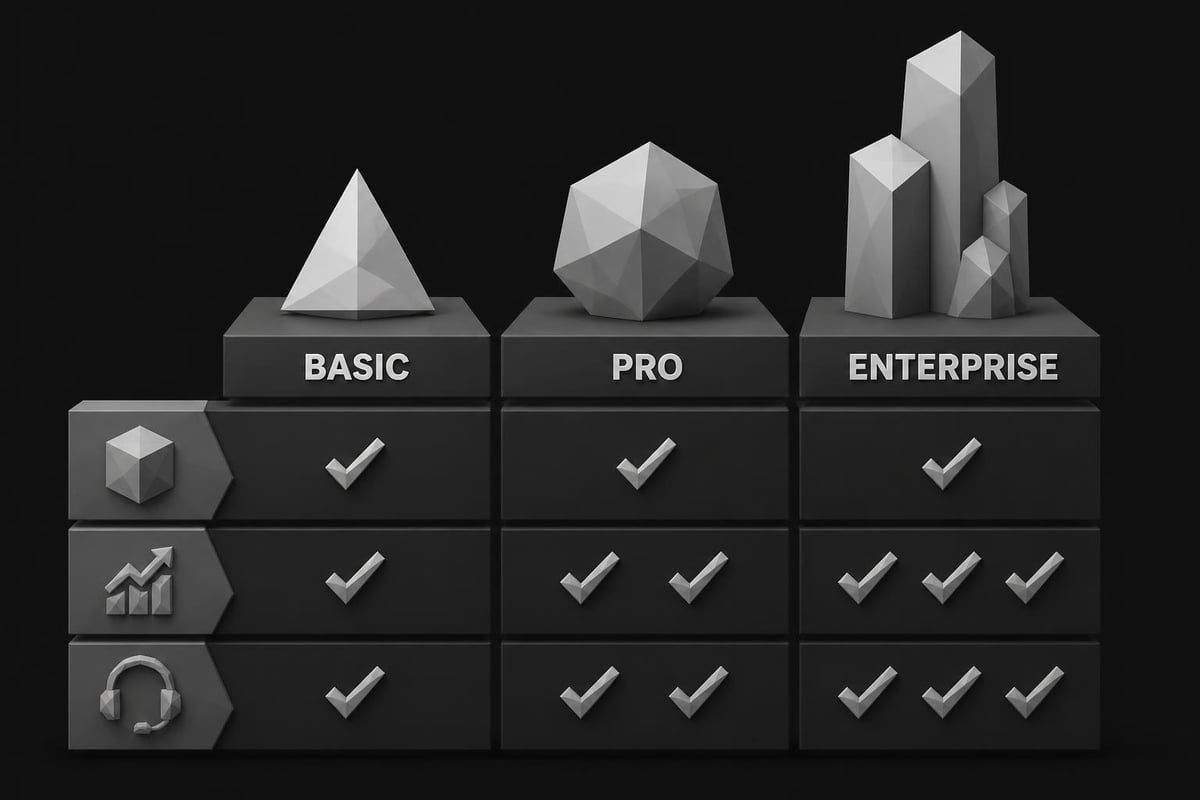
| Tier | Monthly Price | Best For | Key Features |
|---|---|---|---|
| Basic | $19 | Solo entrepreneurs | Core features, email support, 1 user |
| Pro | $49 | Small teams | Advanced features, priority support, 5 users |
| Enterprise | $149 | Growing companies | All features, dedicated support, unlimited users |
Per-User Pricing
This model charges based on how many people are using your product. Slack made this famous-you pay for each active team member. It scales naturally with your customer's growth, which means your revenue grows as they grow.
The tricky part is making sure your product delivers enough value per user to justify the incremental cost. If adding users feels expensive, customers will share accounts or limit adoption.
Usage-Based Pricing
Also called "pay-as-you-go," this saas revenue model charges customers based on how much they actually use your product. AWS pioneered this approach for cloud infrastructure, and now lots of API-based products use it too.
For digital products that process data, send emails, or handle transactions, usage-based pricing aligns perfectly with value delivered. Your customers only pay for what they use, which reduces barriers to getting started.
Freemium and Hybrid Approaches
Not every saas revenue model needs to charge from day one. The freemium approach gives away a limited version for free while charging for premium features or higher usage.
Making Freemium Work
The key is finding the right balance between free and paid. Give away too much, and nobody upgrades. Give away too little, and nobody starts using your product in the first place.
Successful freemium products typically limit one of these factors:
- Features (basic tools free, advanced tools paid)
- Usage (100 items free, unlimited paid)
- Users (solo free, teams paid)
- Support (community free, priority paid)
Dropbox nailed this by giving away storage space that felt generous but filled up naturally as you used it more. When you hit that limit, you were already hooked on the product and ready to pay.
Hybrid Models
Many modern SaaS products combine multiple pricing strategies. You might have tiered pricing with usage-based add-ons. Or freemium with per-user pricing once teams grow beyond a certain size.
If you're building an app that helps people manage projects, you could offer a free tier for solo users, per-user pricing for small teams, and custom enterprise pricing for large organizations. This hybrid saas revenue model captures everyone from hobbyists to Fortune 500 companies.
Key Metrics That Actually Matter
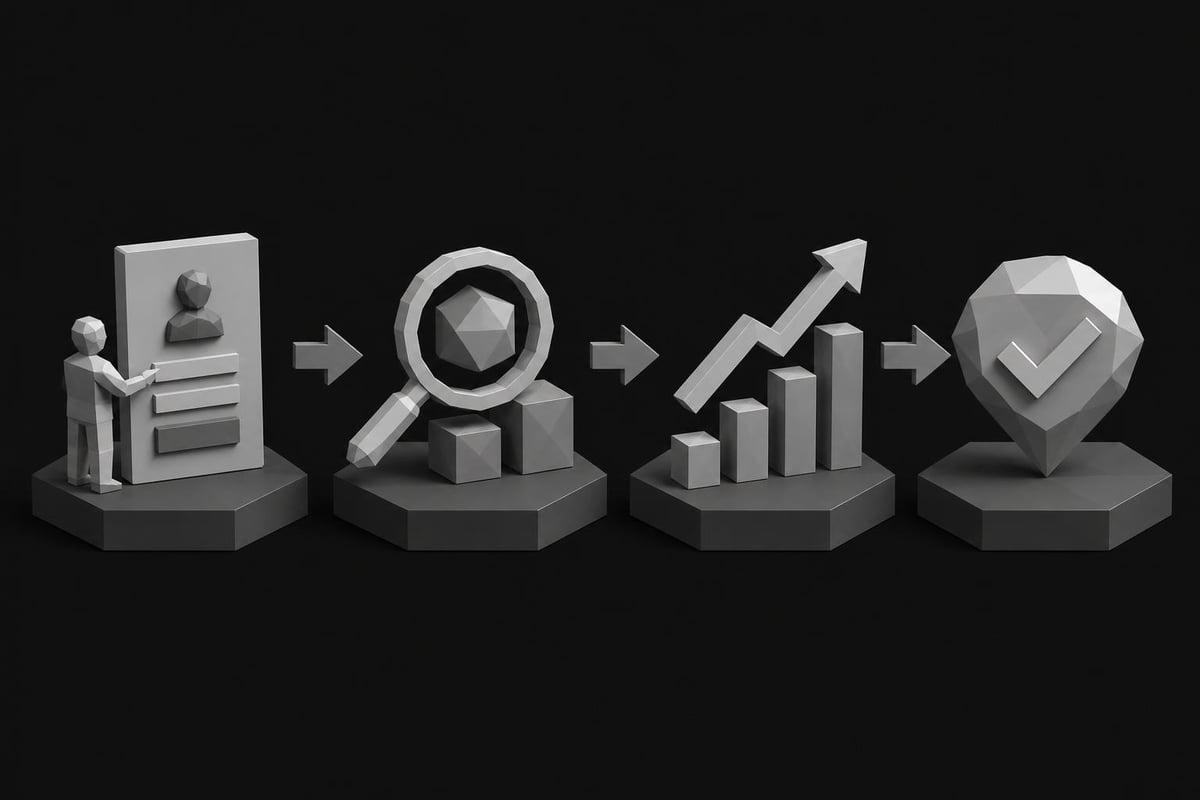
Building a sustainable saas revenue model means tracking the right numbers. Forget vanity metrics like total downloads-focus on the metrics that predict your business health.
Monthly Recurring Revenue (MRR)
This is your north star. MRR is the total predictable revenue you can count on every month. If you have 100 customers paying $50/month, your MRR is $5,000.
Track how MRR changes month over month. Growing MRR means your business is healthy. Shrinking MRR means you've got problems to fix.
MRR Components to Monitor:
- New MRR from new customers
- Expansion MRR from upgrades
- Contraction MRR from downgrades
- Churned MRR from cancellations
Customer Acquisition Cost (CAC)
How much does it cost you to land a new paying customer? Add up all your marketing and sales expenses, then divide by the number of customers acquired.
If you spend $1,000 on ads and get 20 new customers, your CAC is $50. This number needs to be significantly lower than what customers pay you over their lifetime, or you're burning money.
Lifetime Value (LTV)
LTV predicts how much revenue you'll earn from a customer over their entire relationship with your product. Understanding this metric is crucial for sustainable growth in any SaaS business.
A simple formula: Average Revenue Per User × Average Customer Lifespan = LTV
The golden rule is maintaining an LTV:CAC ratio of at least 3:1. If a customer is worth $300 over their lifetime, you can afford to spend up to $100 acquiring them and still have healthy margins.
Churn Rate
This measures what percentage of customers cancel each month. Even a small churn rate compounds quickly. Losing 5% of customers monthly means you're losing more than half your customer base every year.
| Monthly Churn | Customers After 12 Months | Revenue Impact |
|---|---|---|
| 2% | 78% remaining | Manageable with growth |
| 5% | 54% remaining | Requires aggressive acquisition |
| 10% | 28% remaining | Business is unsustainable |
Choosing the Right Model for Your Digital Product
There's no universal "best" saas revenue model. What works depends on your specific product, target market, and business goals.
Questions to Ask Yourself
Who are your customers? Solo entrepreneurs have different willingness-to-pay than enterprise teams. If you're targeting individual creators, a simple $29/month flat rate might work perfectly. Going after businesses? They expect tiered options.
How do customers experience value? If value comes from features, use tiered pricing. If it comes from volume of usage, consider usage-based pricing. For collaboration tools, per-user pricing makes sense.
What's your market position? New entrants often start with freemium to build user base quickly. Established products with strong differentiation can command premium pricing.
Testing and Iteration
Your first pricing structure won't be your last. Modern SaaS companies continuously refine their revenue models based on customer feedback and market conditions.
Start with a hypothesis, launch it, and track what happens. Are customers upgrading? Where do they get stuck? What objections come up during sales calls?
Many successful digital products have changed their pricing 3-4 times in their first year. That's not failure-it's learning what your market will bear.
When you're ready to build your first SaaS product and implement these revenue strategies, the Build and Launch Your SaaS App in 14 Days course walks you through everything from ideation to pricing to your first paying customers without needing to know how to code.
Revenue Recognition and Financial Planning
Understanding how to properly recognize revenue is crucial for maintaining healthy finances and making smart business decisions. Just because a customer pays you $600 for an annual subscription doesn't mean you've earned all that money on day one.
How Revenue Recognition Works
For subscription-based products, you recognize revenue ratably over the subscription period. That $600 annual payment gets recognized as $50/month over 12 months.
This matters for several reasons:
- Accurate financial picture of your business performance
- Better decision-making about when you can afford to hire or invest
- Compliance with accounting standards if you ever raise funding
Most SaaS companies track both cash received and revenue recognized separately. Cash is what hits your bank account. Revenue is what you've actually earned by delivering value.
Deferred Revenue
When customers pay upfront for annual subscriptions, the unearned portion sits on your balance sheet as "deferred revenue." It's a liability-you owe them service for the remaining months.
This can actually be a positive sign. High deferred revenue means customers trust you enough to pay upfront, giving you cash to invest in growth. Financial planning in SaaS requires understanding these nuances to avoid running out of money while sitting on "receivables."
Scaling Your SaaS Revenue Model
Once you've validated your pricing and started generating consistent revenue, the next challenge is scaling without breaking what works.
Automation Is Your Friend
The entire point of building a digital product instead of selling your time is automation. Your saas revenue model should support selling while you sleep, not requiring manual intervention for every transaction.
Essential automation to implement:
- Payment processing through Stripe, Paddle, or similar platforms
- Subscription management handling upgrades, downgrades, and cancellations
- Billing emails for receipts, payment failures, and renewal reminders
- Usage tracking if you have usage-based components
When evaluating tools for your SaaS workflow, consider screen recording solutions like Mool for creating product tutorials and customer onboarding videos that scale your support without hiring a team. Converting these educational resources into searchable knowledge helps customers find answers faster.
Expanding Revenue Streams
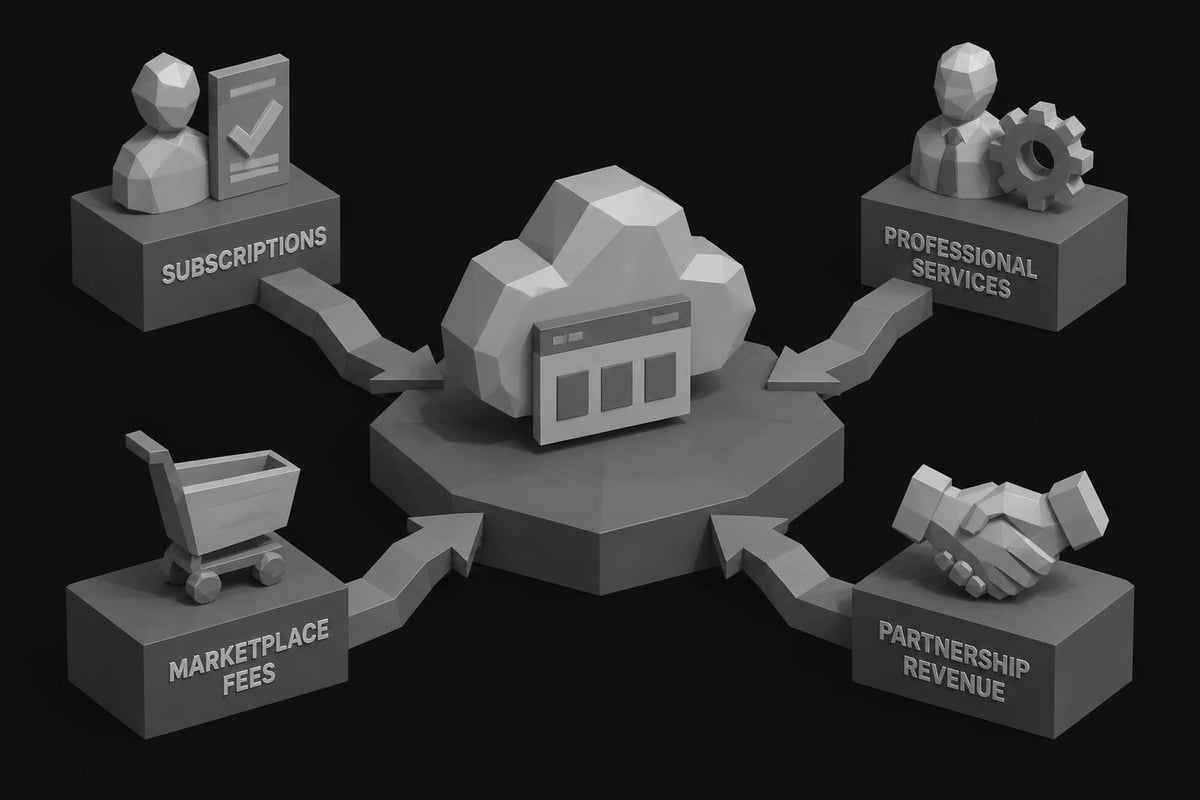
Your initial saas revenue model doesn't have to be your only revenue source. Many successful digital products add complementary revenue streams:
- Professional services for enterprise customers who need custom setup
- Educational content like courses or workshops teaching people to use your product effectively
- Marketplace or app store where third parties can build extensions
- Affiliate partnerships with complementary tools
If your SaaS handles financial data, partnering with specialized services can enhance value. For instance, if customers need to process bank statements, integrating with tools like Bank Statement Boss for PDF conversion can save them time while creating partnership opportunities.
Building for Enterprise
Moving upmarket to enterprise customers can dramatically increase your average contract value. But enterprise sales require different approaches than self-service subscriptions.
Enterprise customers expect:
- Custom contracts instead of standard terms
- Annual commitments with negotiated pricing
- Dedicated support and account management
- Security and compliance documentation
- Integration capabilities with their existing tools
If you're scaling your team to serve enterprise clients, finding the right talent becomes critical. Platforms like Augmnt that connect businesses with verified AI professionals can help you build technical capabilities faster, especially when you need specialized expertise for integrations or advanced features.
Adapting to Market Changes
The software market evolves quickly. What worked in 2024 might not work in 2026. Your saas revenue model needs flexibility to adapt.
Emerging Trends to Watch
Usage-based pricing is growing because it aligns cost with value better than seat-based pricing. Companies only pay for what they use, reducing waste and making it easier to justify budgets.
Product-led growth is replacing sales-led growth for many SaaS companies. Instead of relying on salespeople, the product itself drives acquisition, conversion, and expansion. Your free tier or trial becomes your best salesperson.
Vertical-specific pricing is becoming more common. Instead of one-size-fits-all, SaaS companies are creating industry-specific packages with features and pricing tailored to healthcare, legal, construction, or other verticals.
When to Pivot Your Model
Sometimes you need to fundamentally rethink your approach. Signs it might be time to revisit your saas revenue model:
- High churn despite good product quality
- Low conversion from free to paid tiers
- Customer complaints about pricing or value
- Losing deals to competitors with different models
- Inconsistent revenue that makes planning impossible
Don't be afraid to experiment. Run A/B tests with different pricing for new customers. Survey your existing base about what they'd value. The SaaS landscape continues evolving, and staying competitive means staying flexible.
Building for Long-Term Success
Sustainable growth in the digital product space comes from aligning your revenue model with genuine value creation. You're not trying to extract maximum dollars from customers-you're building a long-term relationship where they succeed and you succeed together.
Customer Success Drives Revenue
The best saas revenue model in the world won't save you if customers don't succeed with your product. Invest in:
- Comprehensive onboarding that gets users to their first win quickly
- Regular feature updates that keep your product competitive
- Responsive support that solves problems before they cause churn
- Community building that creates peer-to-peer value beyond your product
When customers succeed, they stick around longer, upgrade to higher tiers, and refer others. Your LTV increases without increasing CAC.
Transparency Builds Trust
Being upfront about pricing, what's included, and what costs extra creates trust. Hidden fees, surprise charges, or confusing tier structures erode goodwill fast.
Modern SaaS customers expect transparency in how products are priced and billed. Show pricing publicly, make it easy to upgrade or downgrade, and don't penalize customers for canceling.
Data-Driven Decisions
Track everything, but act on what matters. Your dashboard should show:
- MRR and its growth rate
- Churn rate by customer segment
- Conversion rates through your funnel
- Customer acquisition costs by channel
- Net revenue retention (expansion minus churn)
Review these weekly or monthly, and make small adjustments based on what you learn. Big pivots happen rarely, but continuous optimization compounds into significant improvements.
Making Your Model Work for You
The ideal saas revenue model for your digital product depends entirely on what you're building and who you're serving. A project management tool for freelancers needs different pricing than an AI-powered analytics platform for enterprises.
Start simple, usually with monthly subscriptions and 2-3 clear tiers. As you learn more about how customers use your product and what they value, refine your approach. Add usage-based components if that makes sense. Introduce an enterprise tier when you're ready to support those customers.
The most important thing is getting started. Launch with a pricing structure that feels reasonable, collect feedback, and iterate. Every successful SaaS company you admire has changed their pricing multiple times. You will too, and that's perfectly normal.
Understanding how to structure your saas revenue model is just one piece of building a successful digital product business. The real magic happens when you combine smart pricing with a product people actually need and a system that sells on autopilot. That's where CreateSell comes in-teaching you how to build and launch digital products that generate income while you focus on what matters most. Whether you're creating your first SaaS app or your fifth, stop trading time for money and start building products that scale.