
The Essential SaaS Digital Marketing Guide for 2026

Modest Mitkus
May 7, 2026
SaaS digital marketing is evolving at breakneck speed. New technologies, shifting buyer expectations, and increased competition are reshaping how companies reach and retain customers in 2026.
This guide is designed to help SaaS businesses navigate these changes. It offers actionable strategies tailored to the realities of the 2026 digital landscape.
Inside, you'll find the latest trends, data-driven approaches, content marketing tips, automation insights, customer retention tactics, and measurement best practices.
Ready to future-proof your growth? Dive in and discover what it takes to lead in SaaS digital marketing this year.
Understanding the 2026 SaaS Digital Marketing Landscape
The world of saas digital marketing is evolving rapidly as technology, regulations, and buyer expectations shift. In 2026, the landscape will be defined by intelligent automation, privacy-first strategies, seamless customer journeys, and fierce competition. To succeed, SaaS businesses must understand these changes and adapt their marketing approaches accordingly.

The Shift to AI-Driven Marketing
AI is revolutionizing saas digital marketing by allowing brands to automate workflows and personalize user experiences at scale. Tools like chatbots handle real-time customer queries, predictive analytics forecast lead behavior, and AI-driven content creation streamlines production.
For example, SaaS companies now use machine learning to segment audiences and recommend the most relevant content or offers. By 2026, 80% of SaaS organizations plan to increase their investment in AI, according to Gartner. This shift empowers marketers to make data-driven decisions and optimize every touchpoint.
The Rise of Privacy and Data Regulation
Privacy laws are tightening worldwide, directly impacting saas digital marketing strategies. Updates to GDPR, CCPA, and new regional standards require SaaS brands to rethink how they collect and use data.
Marketers must now balance compliance with effectiveness. Tactics include using consent-based data collection, anonymizing user information, and prioritizing transparency in communications. These efforts not only reduce risk but also build trust with privacy-conscious buyers, ensuring campaigns remain impactful while respecting user rights.
Omnichannel Customer Journeys
Seamless integration across web, mobile, email, and social channels is essential for modern saas digital marketing. Customers expect consistent experiences no matter where they interact with a brand.
Leading SaaS companies use unified messaging and connected data to guide users from awareness to conversion. For instance, a customer might discover a product via social media, receive personalized emails, and complete onboarding in-app. According to Invesp, companies with omnichannel strategies retain 89% of their customers, highlighting the value of this approach.
Shifting Buyer Expectations in SaaS
SaaS buyers in 2026 demand transparency, hyper-personalization, and immediate value from every interaction. They rely heavily on community feedback and peer reviews when evaluating solutions.
B2B buyers increasingly trust recommendations from peers more than vendor materials. SaaS brands that foster active communities and showcase real user stories are positioned to win. As a result, saas digital marketing must prioritize authentic engagement and customer advocacy to influence purchasing decisions.
Competitive Landscape and Market Saturation
The saas digital marketing space is more crowded than ever, with new entrants specializing in micro-niches and vertical solutions. Standing out requires a unique value proposition and clear, differentiated messaging.
Niche SaaS, vertical SaaS, and micro-SaaS are growing rapidly as brands seek to serve specific industries or problems. To explore how vertical SaaS and niche specialization are shaping the market, see this resource on vertical SaaS and niche specialization. Success in 2026 depends on deeply understanding your audience and offering tailored solutions that address their exact needs.
Building a Data-Driven SaaS Marketing Strategy
In 2026, building a successful saas digital marketing strategy requires precision, adaptability, and a relentless focus on data. As competition intensifies, SaaS companies must leverage every insight to outpace rivals and drive sustainable growth.
Defining Target Personas and ICPs for 2026
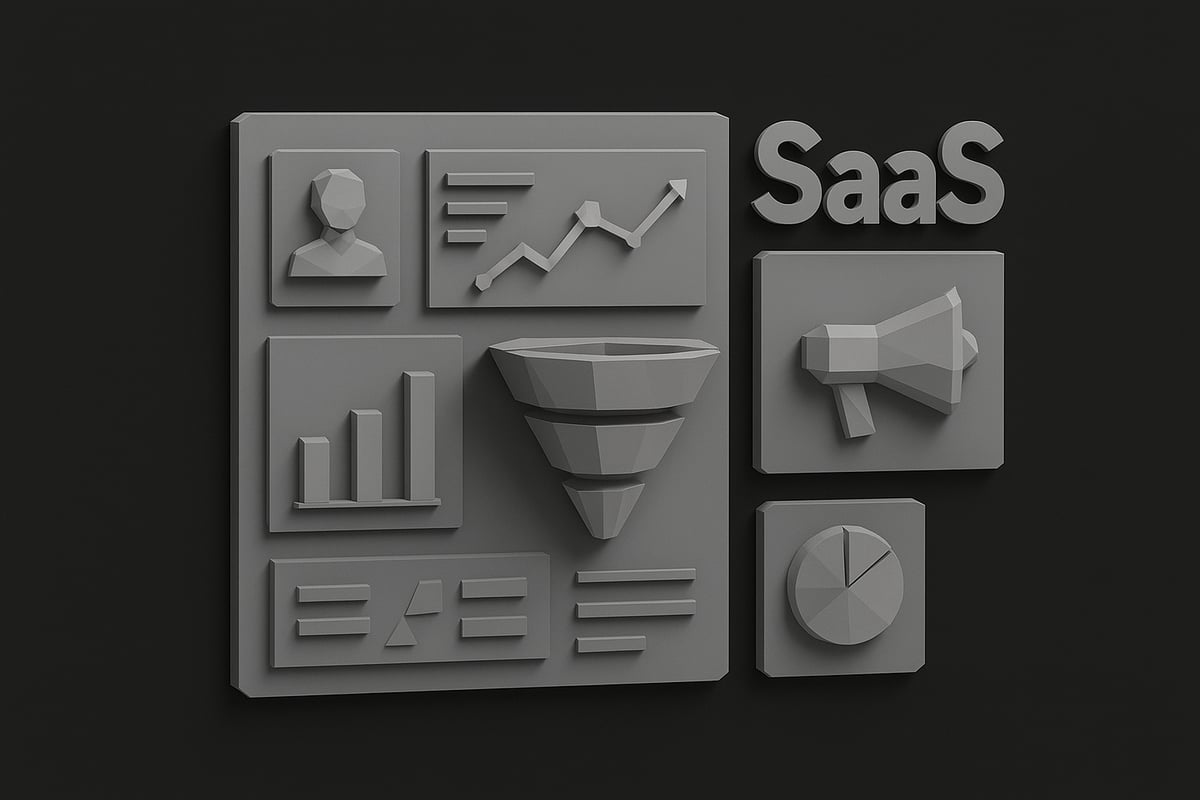
Understanding your audience is the foundation of effective saas digital marketing. In 2026, precise customer segmentation goes beyond basic demographics. Use AI-powered intent data and behavioral analytics to refine your Ideal Customer Profiles (ICPs). Leading SaaS brands analyze usage patterns, engagement signals, and firmographic data to create dynamic personas that evolve with the market.
For example, machine learning models can reveal hidden buying signals, allowing marketing teams to tailor messaging and offers. This granular approach ensures campaigns resonate and drive higher conversion rates. Regularly revisit personas as market conditions and customer needs shift.
Setting SMART Goals and KPIs
Aligning your saas digital marketing efforts with measurable business outcomes is critical. Start by defining SMART goals: Specific, Measurable, Achievable, Relevant, and Time-bound. Identify key SaaS KPIs such as Customer Acquisition Cost (CAC), Customer Lifetime Value (LTV), churn rate, and Monthly Recurring Revenue (MRR) growth.
Companies with clear KPIs are 30% more likely to achieve higher ROI. Use dashboards to track progress and identify gaps quickly. This disciplined approach keeps teams accountable and focused on results that matter most to the business.
Channel Selection and Budget Allocation
Selecting the right channels is essential for maximizing the impact of your saas digital marketing strategy. Evaluate the ROI of paid, organic, and partner channels, considering where your audience spends time. Emerging platforms like voice search, podcasts, and micro-influencers offer new opportunities for SaaS brands.
Data-driven budget planning ensures resources are allocated efficiently. For a deeper dive into optimizing channel mix and spend, explore these digital product marketing strategies. Regularly reassess channel performance to stay agile and responsive to changing trends.
Leveraging Predictive Analytics and Attribution
Predictive analytics is transforming how saas digital marketing teams prioritize leads and forecast pipelines. Multi-touch attribution models provide a clear view of how each touchpoint contributes to conversions, which is crucial for complex SaaS journeys.
By integrating predictive tools, SaaS brands can enhance lead scoring, personalize outreach, and boost conversion rates. Analyze past performance to inform future campaigns, ensuring marketing spend is always optimized for maximum impact. Attribution insights also help justify investments to stakeholders.
Agile Planning and Continuous Optimization
Agile methodologies are reshaping saas digital marketing by enabling rapid iteration and data-driven decision-making. Implement short sprints, A/B testing, and feedback loops to refine campaigns quickly. Agile teams deliver campaigns twice as fast, adapting to new insights and market shifts.
Encourage a culture of experimentation and learning within your marketing team. Use continuous optimization to test hypotheses, improve messaging, and drive sustained growth. Regular retrospectives ensure lessons are captured and applied, keeping your strategy ahead of the competition.
Content Marketing and Thought Leadership for SaaS
Content marketing is the backbone of effective saas digital marketing in 2026. As SaaS competition intensifies, brands must elevate their authority, visibility, and trust by adopting advanced content strategies. Thought leadership is no longer optional; it is essential for differentiation and sustained growth.

Creating Authority-Building Content in 2026
In 2026, authority in saas digital marketing hinges on producing content that demonstrates expertise and trust. Long-form guides, in-depth webinars, original data studies, and interviews with industry experts are crucial formats. These assets prove your brand's E-E-A-T: experience, expertise, authoritativeness, and trustworthiness.
Leaders in SaaS consistently dominate search results by investing in comprehensive resources that solve real problems. For example, publishing a detailed report on SaaS adoption trends can establish your brand as a go-to source for decision-makers. Aim to deliver actionable insights, not just opinions.
Video, Interactive, and AI-Generated Content
Video is now the preferred medium for 70% of SaaS buyers, making it indispensable in saas digital marketing. Product demos, onboarding tutorials, and customer success stories resonate and build trust quickly. Interactive content—like ROI calculators, assessment tools, and quizzes—boosts engagement and captures valuable data.
AI-generated assets, such as dynamic infographics or personalized video snippets, personalize learning and scale production. Integrating these content types into your strategy ensures you meet evolving user expectations and stand out in a crowded market.
SEO Strategies for SaaS in 2026
SEO remains a core pillar of saas digital marketing, but tactics have evolved. In 2026, AI-powered keyword research tools uncover high-intent queries and new search trends. Optimizing for search intent and capturing featured snippets are essential for visibility.
Programmatic SEO allows SaaS brands to scale landing pages and address niche topics, boosting organic reach. Consider updating older assets using AI-driven analysis to maintain authority and relevance. Consistent technical optimization and structured data markup further enhance discoverability.
Building Communities and User-Generated Content
Customer communities are thriving hubs for saas digital marketing success. Forums, Slack groups, and review platforms foster authentic conversations and advocacy. Encouraging users to share testimonials, case studies, and feedback not only builds trust but also generates fresh, authoritative content.
A strong community increases customer retention by 20 percent. SaaS brands that prioritize user-generated stories and peer support position themselves as trusted partners, not just vendors. Facilitate dialogue and reward participation to nurture long-term loyalty.
Distribution and Promotion Tactics
Effective saas digital marketing requires a robust content distribution plan. Use multi-channel promotion: LinkedIn for thought leadership, industry podcasts for niche audiences, and specialized forums to reach decision-makers. Paid amplification, including retargeting and account-based ads, extends your content's reach.
Influencer partnerships drive credibility and awareness, especially in crowded verticals. Collaborate with respected voices to co-create content or host webinars. Continually test new channels and formats to identify what resonates with your target audience.
Measuring Content ROI and Impact
Data-driven measurement is the foundation of successful saas digital marketing. Track engagement metrics, lead generation, and pipeline influence for every content asset. Employ multi-touch attribution models to understand how different touchpoints contribute to conversions.
Modern tools like Google Analytics 4, HubSpot, and custom dashboards provide granular visibility. For actionable strategies, refer to this comprehensive lead generation strategy for SaaS, which details proven approaches to content ROI and pipeline growth. Regularly review performance to refine your approach and maximize results.
Automation, Personalization, and Customer Experience
Staying ahead in saas digital marketing in 2026 means mastering automation, personalization, and delivering an exceptional customer experience. As SaaS buyers expect more relevant and immediate engagement, brands must use cutting-edge tools and strategies to meet these rising standards.
Marketing Automation Trends for 2026
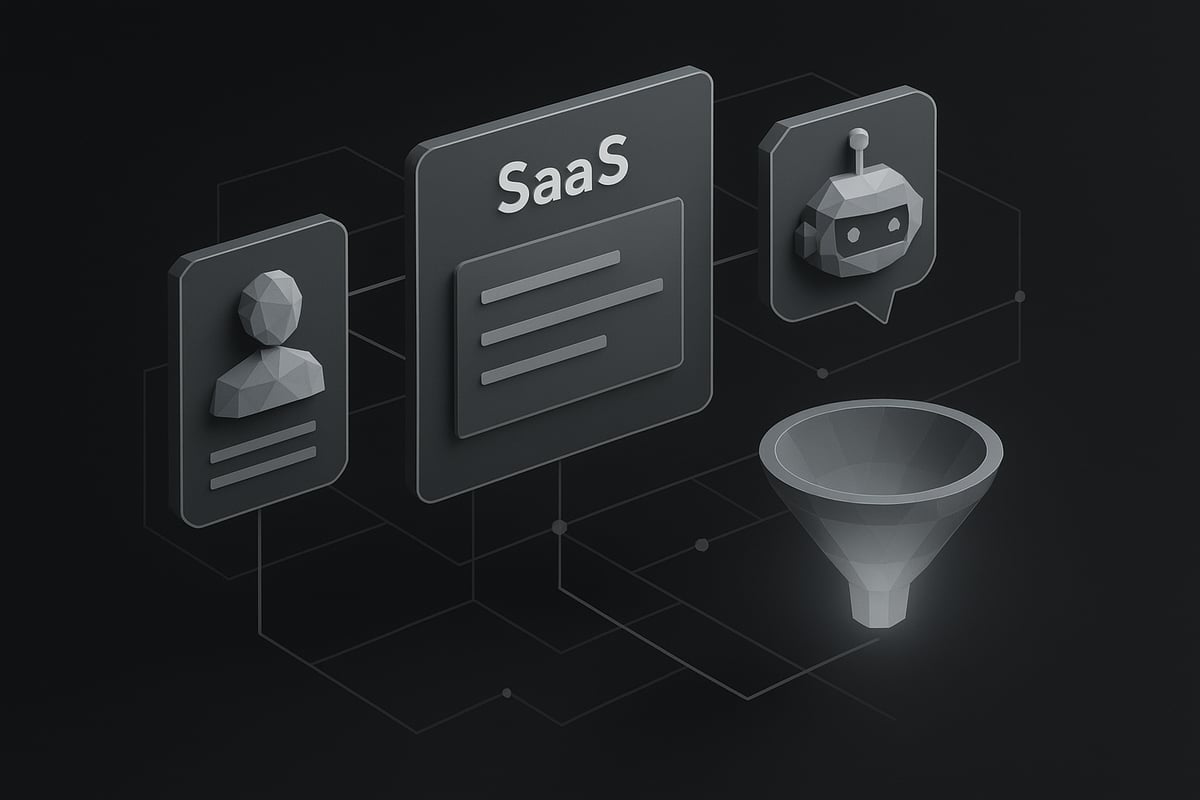
Automation is at the heart of modern saas digital marketing. In 2026, AI-powered workflows are transforming how SaaS companies nurture leads and engage customers. Automated email sequences, dynamic content delivery, and predictive lead scoring are now standard.
For example, AI-driven triggers personalize onboarding and lifecycle messaging based on user behavior, increasing relevance and conversion rates. According to Salesforce, automated campaigns yield 53 percent higher conversions, making them essential for competitive growth.
To dive deeper into the role of AI in automation and personalization, explore this AI-driven marketing in SaaS resource.
Hyper-Personalization at Scale
SaaS digital marketing has evolved far beyond basic segmentation. In 2026, hyper-personalization uses advanced data and machine learning to adapt website content, emails, and ads in real time. Personalization engines analyze behavioral and firmographic data, creating experiences tailored to each user.
Brands leveraging these tools see higher upsell rates and customer satisfaction. For instance, adaptive messaging can highlight relevant features or offers, encouraging deeper product engagement.
Chatbots, Conversational Marketing, and Self-Service
Chatbots are now essential in saas digital marketing, providing 24/7 support and instant lead qualification. Conversational marketing tools guide users through product tours and answer queries on the spot, reducing friction in the buying journey.
Self-service options, such as knowledge bases and interactive FAQs, empower users to solve problems independently. Zendesk reports that 60 percent of SaaS users prefer self-service, underscoring the importance of accessible digital support.
Customer Success and Retention Automation
Retention is a top priority in saas digital marketing. Automated customer success solutions proactively prevent churn by monitoring usage data and triggering interventions when engagement drops. Automated check-ins, feedback requests, and customer health scoring help teams address issues before they escalate.
Successful SaaS brands use these systems to drive renewals and foster loyalty, ensuring long-term growth and stability.
Integrating Product-Led Growth (PLG)
Product-led growth strategies are now central to saas digital marketing. Free trials, freemium models, and in-app upsells act as powerful marketing levers. PLG requires close alignment between product and marketing teams to deliver seamless experiences that convert users into loyal customers.
According to OpenView Partners, 91 percent of top SaaS brands employ PLG tactics, highlighting the shift toward value-first engagement.
Advanced Segmentation and Triggered Campaigns
Advanced segmentation enables real-time targeting based on user actions, making saas digital marketing more effective. Triggered campaigns can onboard, re-engage, or expand accounts at critical moments in the customer journey.
For example, behavioral triggers can prompt reactivation emails or personalized recommendations, driving higher conversion rates. This data-driven approach ensures that every touchpoint is relevant and impactful.
Measuring and Optimizing SaaS Marketing Performance
Staying competitive in the 2026 landscape means that SaaS digital marketing teams must not only execute campaigns but also rigorously measure and optimize every aspect of their performance. Let’s break down the essential components that drive growth and efficiency for SaaS brands.
Key Metrics and Dashboards for 2026
To succeed with saas digital marketing, teams must focus on metrics that reflect true business impact. The most critical KPIs include customer acquisition cost (CAC), lifetime value (LTV), net revenue retention (NRR), pipeline velocity, and engagement rates.
A robust dashboard brings these numbers together for real-time tracking. Many SaaS teams use visualization tools like Looker or Tableau to create custom dashboards that help spot trends and bottlenecks quickly. Integrating data from multiple channels, such as web, mobile, and omnichannel customer journeys in SaaS, ensures a holistic view of performance.
Attribution Models and ROI Analysis
Understanding which marketing touchpoints drive conversions is essential for optimizing saas digital marketing investments. Attribution models such as first-touch, last-touch, and multi-touch each offer different perspectives on the customer journey.
Multi-touch attribution is becoming the gold standard, especially for SaaS companies with complex sales cycles. According to Forrester, adopting these models can improve marketing spend efficiency by 25 percent. Regular ROI analysis ensures that resources are allocated to the most effective channels, helping teams maximize results.
Experimentation and A/B Testing Best Practices
Continuous experimentation is a cornerstone of high-performing saas digital marketing. Effective A/B testing requires clear hypotheses, controlled variables, and statistically significant sample sizes.
Best practices include testing one variable at a time, segmenting audiences, and tracking results over an adequate period. For example, a SaaS team might increase demo signups by optimizing landing page headlines or CTAs. Documenting learnings from each experiment fuels ongoing improvements.
Continuous Learning and Marketing Agility
The pace of change in saas digital marketing demands an agile mindset. Building a culture of data-driven decision-making empowers teams to iterate rapidly and adapt to new opportunities.
Agile SaaS marketers outperform their peers by 30 percent, according to AgileSherpas. Encourage frequent retrospectives, open feedback loops, and cross-functional collaboration to foster continuous learning. Embracing failure as a learning opportunity accelerates innovation and growth.
Staying Ahead: Benchmarking and Industry Trends
Remaining at the forefront of saas digital marketing means benchmarking performance against industry standards and monitoring shifts in the competitive landscape. Use published benchmarks to set realistic goals and identify areas for improvement.
Track market trends, competitor strategies, and emerging business models to stay proactive. For deeper insights into how niche specialization and innovation are shaping the market, explore SaaS business ideas and trends. Proactive benchmarking and trend analysis enable SaaS marketers to pivot strategies before the competition does.
As you look to elevate your SaaS marketing for 2026, it’s clear that staying ahead means embracing data-driven strategies, leveraging automation, and building authentic connections with your audience. Every tactic we’ve covered—from AI-powered personalization to optimizing your content for measurable ROI—can help you transition from trading your time to building a thriving digital product business. If you’re ready to put these principles into action and start shaping your own success story, I encourage you to Get Started. Let’s take the next step together and turn your expertise into a scalable, sustainable business.