
Mobile Games Monetization Strategies That Actually Work

Modest Mitkus
May 19, 2026
The mobile gaming industry pulled in over $100 billion in 2025, and you know what's wild? Most of those games were free to download. The secret sauce isn't in charging upfront-it's in smart monetization that keeps players happy while filling your bank account. Whether you're building your first mobile game or looking to optimize an existing one, understanding mobile games monetization strategies can make the difference between a hobby project and a thriving digital product business. Let's dive into what actually works in 2026 and how you can implement these strategies without alienating your player base.
The Foundation of Mobile Game Revenue Models
Mobile games monetization strategies have evolved dramatically over the past decade. Gone are the days when you could slap a $4.99 price tag on your app and call it a day. Today's players expect free access, which means you need to think creatively about how to generate revenue.
The beauty of modern monetization is that it's not one-size-fits-all. Your game's genre, target audience, and core gameplay loop all influence which strategies will perform best. A puzzle game monetizes differently than a battle royale, and a casual time-killer has different opportunities than a hardcore RPG.
Understanding Player Psychology
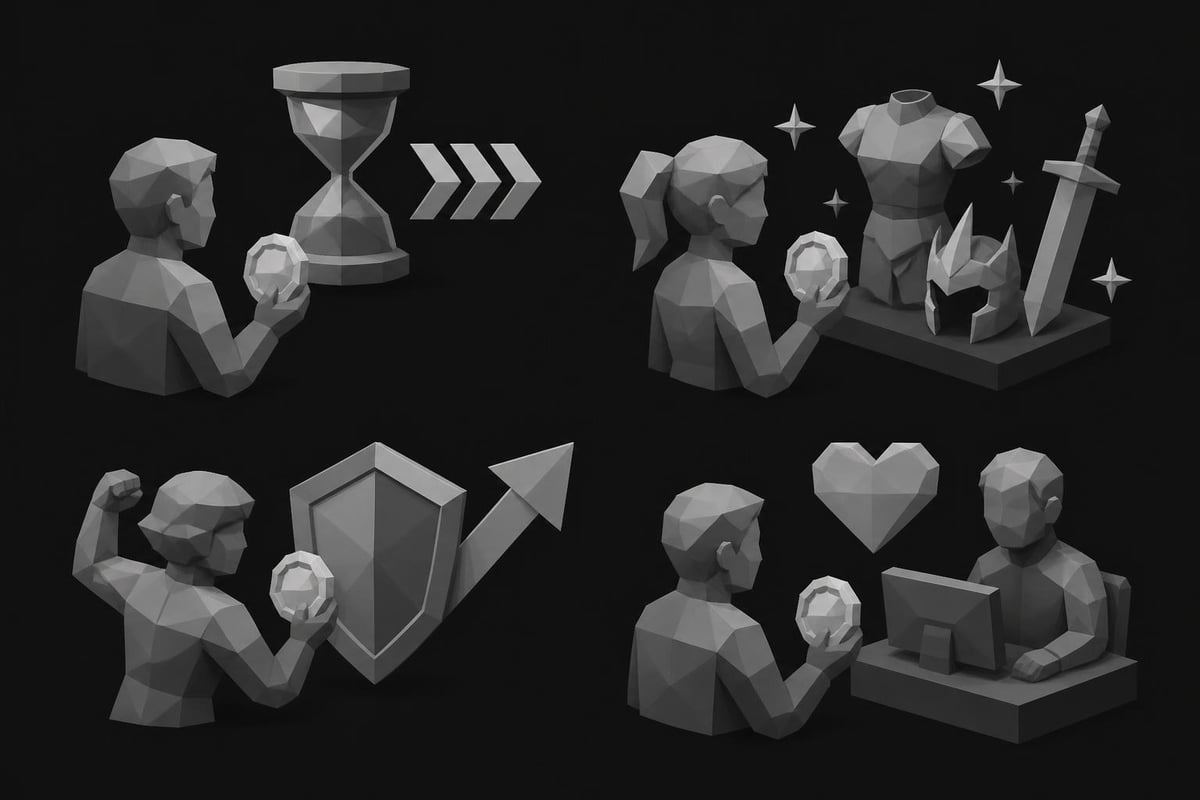
Before you implement any monetization strategy, you need to understand why players spend money. Some pay for convenience, others for competitive advantages, and many simply want to support games they love. Stripe's comprehensive guide on mobile game monetization highlights how aligning your monetization with player motivations creates sustainable revenue streams.
Key player motivations include:
- Progress acceleration (skipping wait times)
- Status and cosmetic customization
- Competitive advantages
- Content access
- Supporting developers
In-App Purchases: The Revenue Powerhouse
In-app purchases (IAP) dominate mobile games monetization strategies for good reason-they generated roughly 50% of all mobile gaming revenue in 2025. But here's the thing: there's a massive difference between good IAP implementation and predatory monetization that drives players away.
Consumable vs. Non-Consumable Purchases
Your IAP strategy should include both types. Consumables are items players use up-extra lives, in-game currency, boosters. They create recurring revenue because players keep coming back for more. Non-consumables are permanent purchases like character unlocks, level packs, or ad removal.
Consumable items work best when they:
- Solve genuine friction points
- Feel reasonably priced
- Don't create pay-to-win scenarios
- Offer meaningful value
| Purchase Type | Examples | Revenue Pattern | Player Perception |
|---|---|---|---|
| Consumables | Coins, lives, boosters | Recurring | High if balanced |
| Non-Consumables | Character skins, ad removal | One-time | Very positive |
| Subscriptions | Season passes, VIP access | Monthly recurring | Mixed (needs value) |
The trick is pricing your IAP intelligently. Most successful games use a tiered pricing structure-small impulse purchases ($0.99-$2.99), mid-tier value packs ($4.99-$9.99), and whale-friendly bundles ($19.99+). Various monetization models in mobile gaming each serve different player segments and spending behaviors.
Free-to-Play with Strategic Paywalls
The free-to-play (F2P) model isn't just "make it free and hope people buy stuff." It's about creating a compelling core experience that's genuinely free, then offering premium options that enhance rather than gate-keep the fun.
Your F2P game needs what I call "soft gates"-natural points where players might want to spend but don't have to. Maybe they can wait six hours for energy to refill, or they can pay $0.99 to continue now. Both options are valid, and neither feels exploitative.
The Energy System Done Right
Energy systems get a bad rap, but they work when implemented thoughtfully. Give players enough free energy to have meaningful sessions. Refill times should respect their schedule-nobody wants to wake up at 3 AM to claim energy.
Effective energy systems:
- Provide 15-30 minutes of continuous play
- Refill completely every 4-6 hours
- Offer multiple ways to earn extra energy
- Never block story progression permanently
Advertisement-Based Monetization
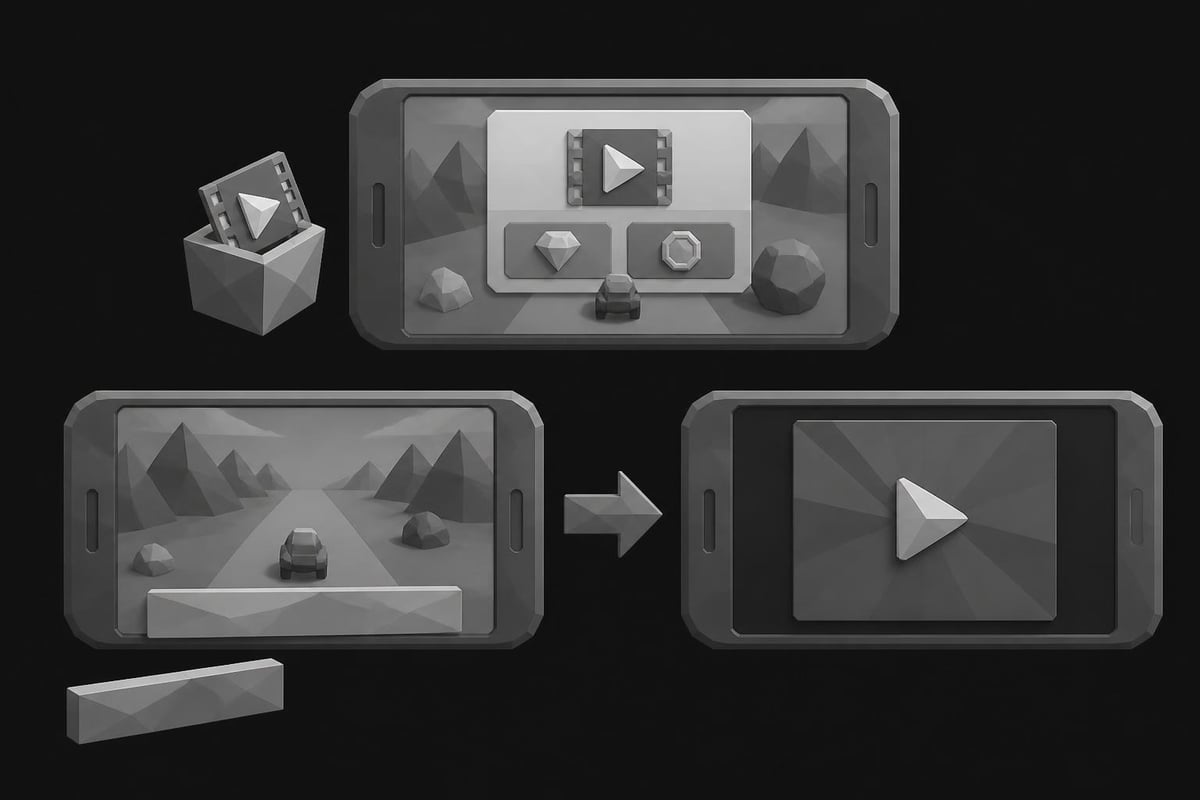
Ads aren't evil-poorly implemented ads are evil. When done right, advertising becomes a win-win: players get free content, and you get paid. The key is giving players control and making ads feel like a choice, not a punishment.
Rewarded video ads are absolute gold. Players watch a 30-second ad to earn premium currency, extra lives, or special items. Completion rates for rewarded ads hover around 70-80% because players actively choose to watch them. Compare that to interstitial ads (the ones that pop up between levels) which players tolerate at best and rage-quit over at worst.
Finding the Ad Balance
Here's my rule of thumb: if ads are interrupting flow state, you're doing it wrong. Place them at natural breaks-between levels, after completing objectives, or during loading screens. And for the love of good UX, always include an ad-free purchase option.
- Rewarded ads: High engagement, player-friendly
- Banner ads: Passive income, minimal disruption
- Interstitial ads: Use sparingly, only at natural breaks
- Offer walls: Good for hardcore players seeking rewards
Subscription Models and Season Passes
Subscriptions transformed mobile games monetization strategies over the past few years. Apple Arcade proved players will pay monthly for quality experiences, and battle passes borrowed from Fortnite show up everywhere now.
A subscription or season pass works when you're adding consistent value. Weekly challenges, exclusive content, premium currency allowances, and special events give subscribers reasons to stay subscribed. The psychology is simple-people hate losing access to things they've grown accustomed to.
Structuring Your Subscription Tier
Most successful games offer a single subscription tier priced between $4.99 and $9.99 monthly. Going higher requires serious value justification. Your subscription should feel generous-like you're giving subscribers way more than they're paying for.
Must-have subscription benefits:
- Daily premium currency
- Exclusive cosmetics or characters
- Ad-free experience
- Bonus XP or progression boosts
- Access to premium events
If you're thinking about building your own mobile game from scratch, understanding these monetization fundamentals is crucial before you even write a line of code. The Build and Launch Your Mobile App in 14 Days course covers not just development but also how to structure your app for sustainable revenue from day one.
Premium Downloads: Not Dead Yet
Yeah, premium downloads (pay upfront, get the full game) only account for about 5% of mobile gaming revenue now. But they're not extinct. Premium games target a specific audience-players tired of F2P mechanics who gladly pay $5-$10 for a complete, ad-free experience.
This model works best for certain genres. Puzzle games, premium story experiences, and ports of popular PC/console games still sell well as premium downloads. The challenge is visibility-you're competing against millions of free alternatives, so your game needs to be exceptional.
When Premium Makes Sense
Choose premium pricing if your game offers a complete, finite experience. Players should know exactly what they're getting-no surprise paywalls, no energy systems, no ads. This builds trust and generates positive reviews, which are golden for premium titles.
Hybrid Monetization: Mixing Multiple Strategies
Here's where things get interesting. Top mobile game monetization models often combine multiple revenue streams. A F2P game might have IAP, rewarded ads, AND a subscription option. This isn't greedy-it's smart business that caters to different player preferences.
Some players never spend money but will watch ads. Others hate ads but love cosmetics. Whales want everything and will pay premium prices. By offering multiple monetization paths, you maximize revenue while respecting player choice.
| Strategy Combination | Best For | Revenue Potential | Implementation Difficulty |
|---|---|---|---|
| IAP + Rewarded Ads | Casual games | High | Medium |
| IAP + Subscription | Mid-core games | Very High | High |
| Premium + IAP | Story-driven games | Medium | Low |
| Ads + IAP + Sub | All genres | Highest | Very High |
Regional Pricing and Localization
Mobile games monetization strategies can't ignore geography. A $4.99 IAP in the United States needs adjustment for markets like India, Brazil, or Southeast Asia where purchasing power differs dramatically. Apple and Google provide regional pricing tools-use them.
Beyond pricing, consider what players value in different regions. Some markets prefer cosmetic purchases, others want gameplay advantages, and cultural factors influence what people will spend money on. Proven monetization strategies often emphasize the importance of regional customization.
Testing and Optimization
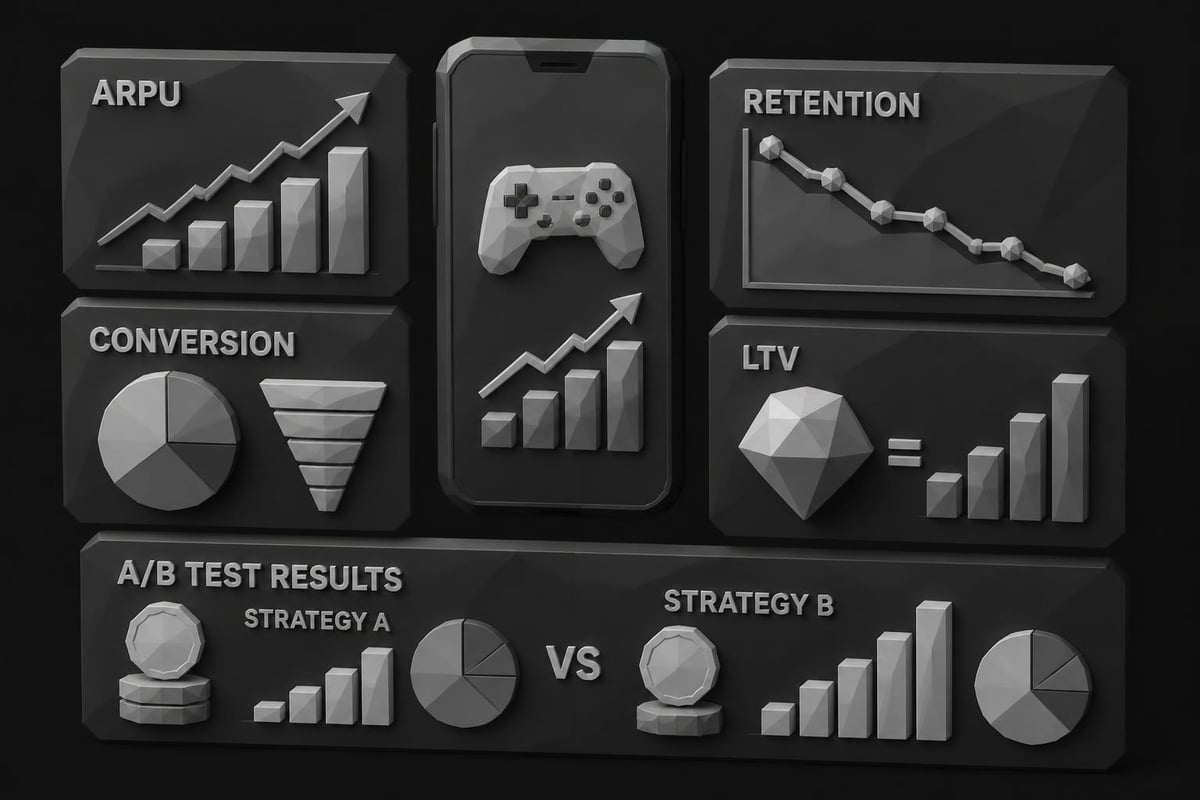
You won't nail monetization on your first try. Successful developers constantly A/B test pricing, offers, and placement. Maybe your $1.99 starter pack converts better at $0.99. Perhaps moving your shop button increases purchases by 20%. Small tweaks compound into significant revenue gains.
Key metrics to track:
- Average Revenue Per User (ARPU)
- Average Revenue Per Paying User (ARPPU)
- Conversion rate (free to paid)
- Retention at days 1, 7, and 30
- Lifetime Value (LTV)
Ethical Monetization Practices
Let's talk about something that doesn't get enough attention-ethics. The most sustainable mobile games monetization strategies respect players. Predatory tactics might spike short-term revenue, but they destroy your reputation and player base.
Avoid loot boxes with undefined odds. Don't create impossible difficulty spikes designed to force purchases. Never target kids with aggressive monetization. These practices have triggered legislation in multiple countries and could torpedo your entire business.
Building Trust Through Transparency
Players appreciate honesty. Show them exactly what they're buying. Clearly display odds for randomized rewards. Offer refunds when appropriate. The gaming community talks, and one viral post about your shady practices can tank your game overnight.
If you're working on gaming-adjacent hardware or need to understand the broader gaming ecosystem, checking out specialized retailers like Gamer Gear Direct can give you insights into what serious gamers value in their equipment-knowledge that translates to better understanding your target audience.
Balancing Monetization and Player Experience
This is the million-dollar question: how do you make money without ruining the game? The answer lies in making monetization feel like a natural extension of gameplay, not an interruption.
Your core game loop should be fun and sustainable without spending money. Purchases should accelerate progress, add variety, or provide convenience-never gate essential features. When players feel valued and respected, they're more likely to support you financially.
The Generosity Paradox
Counterintuitively, generous F2P games often make more money than stingy ones. Give players plenty of free premium currency through daily logins, achievements, and events. This generosity builds goodwill and gets players comfortable with your premium currency, making them more likely to purchase it when they run short.
Seasonal Events and Limited-Time Offers
FOMO (fear of missing out) drives purchases like crazy. Seasonal events with exclusive items, limited-time discount bundles, and special challenges create urgency without feeling manipulative when done right.
Plan your event calendar quarterly. Holiday events (Halloween, Christmas, summer), seasonal changes, and game anniversaries all provide natural hooks for special content and offers. Breaking down seven profitable monetization models shows how successful games integrate events into their revenue strategy.
Effective event monetization includes:
- Themed cosmetic items
- Limited-time bundles (20-30% discount)
- Event-specific currency
- Special progression tracks
- Community challenges with rewards
For those concerned about the longevity of gaming devices and accessories, services like Video Game 911 demonstrate the importance of quality and reliability-principles that apply equally to your game's monetization infrastructure. Players invest in games they trust will stick around.
Live Operations and Content Updates
Mobile games monetization strategies aren't set-it-and-forget-it. Live operations-continuous content updates, new features, and fresh events-keep players engaged and spending. Games that feel abandoned die quickly, taking their revenue with them.
Your live ops schedule should include weekly challenges, monthly content drops, and quarterly major updates. This creates a rhythm players can rely on and gives you regular opportunities to introduce new monetization elements.
Monetizing New Content
When you release new content, consider both free and premium paths. Everyone gets access to new features, but paying players get enhanced experiences-exclusive characters, special cosmetics, or faster progression. This keeps your player base intact while rewarding spenders.
The Data-Driven Approach
Successful monetization relies heavily on analytics. Track everything: where players spend, where they churn, what offers convert, and which player segments generate the most revenue. Major mobile game business models emphasize the critical role of data in optimizing revenue streams.
Use cohort analysis to understand how different player groups behave. Your Day 1 players monetize differently than Day 30 veterans. Casual players have different needs than hardcore fans. Segment your offers and communications accordingly.
Personalization at Scale
In 2026, one-size-fits-all monetization is dead. Modern games use machine learning to personalize offers based on player behavior. If someone loves cosmetics but never buys boosters, show them skin bundles, not power-ups. This targeted approach increases conversion dramatically.
Building Sustainable Revenue
The goal isn't to extract maximum money from every player-it's to build a sustainable business that generates consistent revenue while growing your player base. Think long-term. A player who spends $5 monthly for two years is worth way more than someone who drops $50 once and quits.
Focus on retention first, monetization second. Happy players stick around, and the longer they play, the more likely they are to spend. Improve your game based on feedback, fix bugs quickly, and show your community you care about their experience.
Understanding and implementing effective mobile games monetization strategies isn't just about making money-it's about creating sustainable value for both you and your players. The most successful games in 2026 are those that respect their audience while building diverse revenue streams that feel natural and fair. If you're ready to turn your game idea into a profitable digital product, CreateSell provides the courses and resources to help you build, launch, and monetize your mobile app without needing to know how to code. Stop trading hours for dollars and start building products that generate revenue while you sleep.