
15 Micro SaaS Examples That Print Money in 2026

Modest Mitkus
May 25, 2026
The micro SaaS revolution is here, and it's changing how solopreneurs build profitable businesses. Instead of creating massive platforms that need venture capital and huge teams, smart founders are launching tiny, focused software products that solve specific problems for niche audiences. These businesses often run with just one or two people and generate anywhere from $5K to $100K+ monthly. Let me show you some real micro saas examples that are crushing it right now, so you can see what's actually working in 2026.
What Makes a Micro SaaS Actually "Micro"
Before we jump into specific micro saas examples, let's get clear on what we're talking about. A micro SaaS isn't just a small SaaS product. It's a deliberate business model designed for solo founders or tiny teams.
The key characteristics include:
- Narrow focus: Solves one specific problem really well
- Small team: Usually 1-3 people max
- Niche market: Targets a defined audience segment
- Lower overhead: Minimal operational complexity
- Sustainable revenue: Generates enough to support the founder(s)
The beauty of this model is you don't need millions in funding or a huge team. You just need to identify a real problem that a specific group of people will pay to solve. Understanding what makes micro SaaS unique helps you spot opportunities others miss.
Revenue-Generating Micro SaaS Examples from Real Founders
Let's look at actual businesses making real money. These aren't theoretical concepts - these are working products with verifiable revenue.
LeadDelta: LinkedIn Connection Manager
LeadDelta started as a simple Chrome extension to help people organize their LinkedIn connections. The founder saw that professionals had hundreds or thousands of connections but no good way to manage them.
Key metrics:
- Monthly recurring revenue: $15K+
- Founded by: Vladimir Blagojevic
- Core feature: Tag, filter, and organize LinkedIn connections
- Target market: Sales professionals and networkers
The lesson here? LinkedIn has over 900 million users, but LinkedIn itself doesn't solve every workflow problem. That gap creates opportunities.

Testimonial.to: Video Testimonial Collection
Thomas created Testimonial.to to solve a single problem: collecting video testimonials is annoying. The product makes it dead simple for customers to record and submit testimonials without complicated software.
| Feature | Benefit | Target User |
|---|---|---|
| One-click recording | No technical friction | Course creators |
| Embed widgets | Easy website integration | SaaS founders |
| Text testimonials | Multiple format options | Freelancers |
| Wall of love | Social proof display | Digital product sellers |
This micro SaaS generates around $30K monthly with a straightforward value proposition. You need testimonials, this makes getting them painless. Done.
Dubjoy: Podcast Transcription Tool
Dubjoy focuses exclusively on podcasters who need accurate transcriptions. That's it. No trying to be everything to everyone.
The founder identified that general transcription services weren't optimized for podcast-specific needs like speaker identification, episode management, and integration with podcast hosting platforms. By going deep on this one use case, Dubjoy carved out a profitable niche generating approximately $8K monthly.
Micro SaaS Examples Solving Everyday Problems
Some of the best micro saas examples tackle problems so specific you'd think the market would be too small. Spoiler alert: it never is if you pick the right problem.
PushAlert: Web Push Notifications
PushAlert lets website owners send push notifications to visitors without needing a mobile app. The founder saw that small businesses wanted push notification capabilities but couldn't afford enterprise solutions or build mobile apps.
Growth strategy:
- Started with WordPress plugin
- Focused on bloggers and content creators
- Added e-commerce features later
- Now generates $20K+ monthly
The product does one thing well: browser push notifications. That focus made it easier to build, market, and support.
Bannerbear: Automated Image Generation
Bannerbear auto-generates social media images, banners, and graphics through an API. Content creators and marketers need dozens of custom images daily - manually creating them in Photoshop or Canva gets old fast.
This micro SaaS reached $25K monthly recurring revenue by solving a repetitive task that people gladly pay to automate. The founder didn't try to compete with Adobe. He just made one specific workflow ridiculously easy.
Cloutly: Twitter Analytics
While Twitter has built-in analytics, Cloutly provides deeper insights specifically for creators and brands building their presence on the platform. It tracks follower quality, engagement patterns, and optimal posting times.
Monthly revenue sits around $6K, which proves you don't need massive scale to build a sustainable business. Sometimes serving a few hundred customers really well beats chasing thousands.
Building Micro SaaS Products for Specific Platforms
Platform-specific micro saas examples show how you can build entire businesses around extending existing tools. This strategy works because the platform already has users - you just need to solve their problems better.
Notion Tools and Extensions
Dozens of profitable micro SaaS products exist solely to enhance Notion. We're talking about tools like:
- Super.so: Turns Notion pages into websites ($30K+ MRR)
- Notion Charts: Adds advanced visualization ($5K MRR)
- Notion2Sheets: Syncs Notion databases with Google Sheets ($3K MRR)
Each solves a specific limitation in Notion's core product. The founders didn't need to build a competitor - they just filled gaps.
Shopify App Ecosystem
The Shopify app store contains hundreds of successful micro SaaS products. Here's what makes them work:
- Pre-qualified audience: Shopify merchants are already paying for software
- Clear distribution channel: The app store brings traffic
- Validated need: You can see what problems merchants discuss in forums
- Easier sales cycle: Merchants understand SaaS pricing
Products like ReConvert (post-purchase upsells) and Loox (photo reviews) each generate six figures monthly by doing one thing exceptionally well within the Shopify ecosystem.

Marketing and Productivity Micro SaaS Examples
This category includes some of the most successful micro saas examples because everyone needs these tools, but specific niches have unique requirements.
Hypefury: Twitter Growth Tool
Hypefury helps creators grow their Twitter following through scheduling, automation, and analytics designed specifically for individuals building personal brands (not agencies managing client accounts).
The product generates over $60K monthly by focusing on solo creators who want to leverage Twitter for business growth. This includes coaches, course creators, and indie hackers - exactly the type of people who understand paying for tools that drive results.
MissingLettr: Social Media Automation for Bloggers
Instead of trying to be Hootsuite for everyone, MissingLettr specifically targets bloggers and content creators. It automatically creates a year's worth of social media posts from a single blog article.
Why it works:
- Solves a specific pain point (promoting blog content)
- Targets a defined audience (bloggers)
- Automates a time-consuming task
- Integrates with platforms bloggers already use
Revenue estimates put MissingLettr around $15K monthly - not unicorn territory, but definitely life-changing money for a solo founder.
EmailOctopus: Email Marketing for Bootstrappers
EmailOctopus positions itself as the affordable Mailchimp alternative for startups and small businesses. By focusing on simplicity and pricing transparency, it carved out a segment of users who find enterprise platforms overwhelming.
The company generates well over $100K monthly (some estimates suggest $200K+) by serving customers who don't need 500 features - just reliable email delivery and basic automation.
Developer Tools and API Micro SaaS Examples
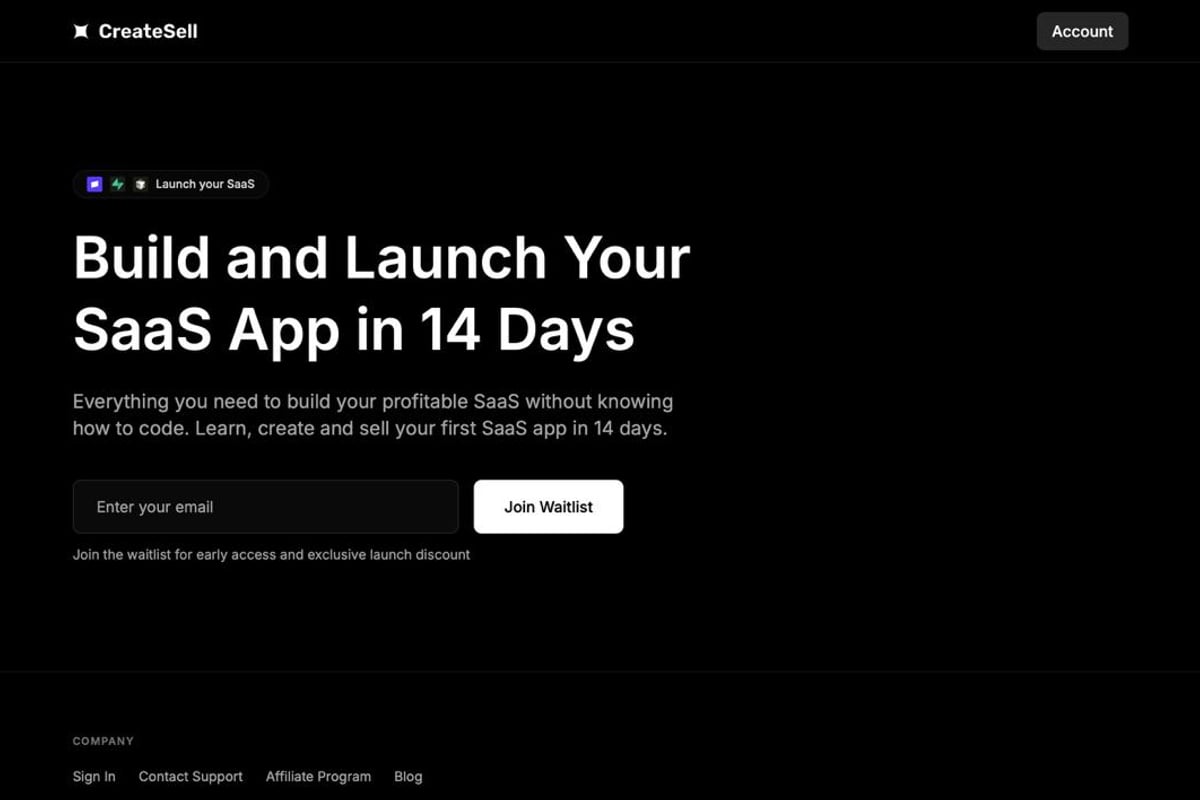
Technical founders often build the best micro saas examples because they understand developer problems intimately. If you're building or learning to code, creating tools for fellow developers is a smart path. In fact, platforms like CreateSell teach aspiring entrepreneurs how to build and launch SaaS products from scratch, turning your technical skills into automated revenue streams that work while you sleep.
Plausible Analytics: Privacy-First Web Analytics
Plausible provides simple, privacy-friendly website analytics as an alternative to Google Analytics. The founders saw growing concern about privacy and GDPR compliance but noticed most alternatives were either too basic or too complex.
By focusing exclusively on privacy-conscious website owners who want clean data without tracking individual users, Plausible reached $100K+ monthly recurring revenue. The product does less than Google Analytics, but that's the point.
Canny: User Feedback Management
Canny helps product teams collect, organize, and prioritize user feedback. While enterprise tools like ProductBoard exist, Canny targets small teams and indie developers who need something simpler and more affordable.
| Feature | Traditional Tools | Canny's Approach |
|---|---|---|
| Pricing | Complex tiers | Simple, transparent |
| Setup time | Days or weeks | Minutes |
| Feature set | Everything | Just what you need |
| Target user | Enterprise teams | Indie developers |
This focus helped Canny reach profitability serving hundreds of smaller customers instead of a few enterprise clients.
What You Can Learn from These Micro SaaS Examples
Looking at successful micro SaaS products reveals patterns you can apply to your own business ideas.
The common success factors:
- Specificity wins: Every successful example solves a narrow problem
- Distribution matters: Many leverage existing platforms or audiences
- Pricing simplicity: Most use straightforward monthly pricing
- Customer intimacy: Small scale allows deep customer relationships
- Technical feasibility: One person can build and maintain the product
You'll notice these founders didn't try to build the next Facebook. They identified a specific group of people with a specific problem and built a specific solution. That constraint is actually the secret to their success.
Finding Your Own Micro SaaS Opportunity
After studying these micro saas examples, you might be wondering how to find your own opportunity. The process is simpler than you think.
Start with problems you understand
The best founders build solutions to problems they've personally experienced. Thomas from Testimonial.to needed an easier way to collect testimonials for his own products. That authentic understanding shaped the product.
Questions to ask yourself:
- What repetitive tasks annoy you in your work?
- What tools do you use that have obvious gaps?
- What do people in your industry complain about?
- Where do existing solutions feel bloated or overpriced?
Look for platform gaps
Major platforms like Shopify, Notion, WordPress, and Salesforce create ecosystems full of opportunities. These platforms have active users with money to spend, and they always have unmet needs.
Browse the Shopify app store or WordPress plugin directory and read the one-star reviews. Those complaints are product ideas waiting to happen.
Validate before building
Don't spend months building something nobody wants. The smartest founders from our micro saas examples validated demand first.
- Talk to potential customers: Find 10 people with the problem
- Describe your solution: See if they'd actually pay for it
- Pre-sell if possible: Get commitments before building
- Build the minimum: Launch with core features only
- Iterate based on feedback: Let customers guide development
This approach, common among profitable micro SaaS founders, reduces risk and increases your odds of building something people actually want.
Pricing Strategies from Successful Examples
How you price your micro SaaS makes or breaks the business. Looking at successful examples reveals smart approaches you can model.
The $29-49 Sweet Spot
Many profitable micro saas examples price their entry tier between $29-49 monthly. This hits a sweet spot where:
- It's affordable enough for solo users to expense without approval
- It's high enough to build meaningful revenue
- It positions you as a professional tool (not a toy)
- It filters out tire-kickers who won't be good customers anyway
Hypefury, Testimonial.to, and PushAlert all use variations of this pricing model.
Usage-Based Pricing
Some products charge based on volume - emails sent, API calls made, images generated. This works when usage varies dramatically between customers.
Bannerbear charges based on images generated. EmailOctopus charges based on subscribers. This aligns cost with value received and makes the product accessible to early-stage users.
Keep It Simple
Almost every successful micro SaaS uses 2-4 pricing tiers max. Compare that to enterprise SaaS products with 6+ tiers and complex feature matrices.
Simple pricing helps because:
- Customers make decisions faster
- You spend less time on support questions
- It's easier to explain and market
- Fewer tiers mean less operational complexity
If you're struggling with pricing, just copy what similar micro saas examples are doing. You can always adjust later based on data.
Technical Stack Considerations
You don't need fancy infrastructure to launch a micro SaaS. Most successful examples start with simple, proven tech stacks that one person can manage.
Common Technology Patterns
Popular choices among micro SaaS founders:
- Frontend: React, Vue, or Tailwind CSS
- Backend: Node.js, Ruby on Rails, or Django
- Database: PostgreSQL or MongoDB
- Hosting: Vercel, Heroku, or Railway
- Payments: Stripe (almost universal)
- Email: SendGrid or Postmark
The goal isn't to use the newest, hottest framework. It's to use what you know (or can learn quickly) and what lets you ship fast. Many successful solo founders launched their first versions in weeks, not months, using familiar tools.
For local businesses looking to improve their online visibility and attract customers through search, working with specialists in local SEO and digital marketing automation can amplify your micro SaaS's reach to the right geographic markets while you focus on product development.
No-Code and Low-Code Options
Not all successful micro saas examples require custom code. Some founders use:
- Bubble: For complex web apps without coding
- Webflow: For marketing sites and simple tools
- Zapier/Make: For automation and integrations
- Airtable: As a database and backend
- Memberstack: For authentication and payments
The trade-off is flexibility versus speed. No-code gets you to market faster but might limit customization down the road.
Growing Your Micro SaaS Beyond Launch
Launching is just the beginning. Growing from your first customer to sustainable revenue requires consistent effort in a few key areas.
Content Marketing Works
Nearly every successful micro SaaS founder invests in content. Not fluffy blog posts, but genuinely useful resources that help their target audience.
Effective content types:
- How-to guides solving specific problems
- Comparison articles (your tool vs. alternatives)
- Case studies from real customers
- Free tools or calculators related to your niche
- Industry-specific insights and data
Plausible Analytics grew largely through transparent blogging about privacy, analytics, and their journey building the company. That authenticity attracted their ideal customers.
Strategic Integrations
Building integrations with tools your customers already use creates natural distribution channels. If you build a Slack integration, you can potentially get listed in their app directory. Same with Notion, Shopify, WordPress, and dozens of other platforms.
Customer Development Never Stops
The micro saas examples generating the most revenue maintain close relationships with customers. When you're small, this is your competitive advantage over bigger companies.
- Talk to customers regularly: Schedule monthly user interviews
- Build their requested features: Let paying customers guide your roadmap
- Share your journey: Transparency builds trust and community
- Ask for testimonials: Social proof drives new sales
- Create feedback loops: Make it easy for users to suggest improvements
This approach helps you stay focused on what actually matters to the people paying you.
Common Mistakes to Avoid
Learning from micro saas examples also means understanding what not to do. Here are pitfalls successful founders avoided or overcame.
Building Too Much Before Launch
Many first-time founders spend 6-12 months building features customers never asked for. The smartest examples we've looked at launched with minimal features - sometimes just one core capability.
Launch fast, get feedback, iterate. You'll be wrong about what customers want, so find out quickly rather than wasting months building the wrong thing.
Targeting Everyone
"This tool is for anyone who needs better productivity!" sounds inclusive but makes marketing impossible. Every successful micro SaaS targets a specific group: podcasters, Twitter creators, Shopify merchants, Notion users.
Underpricing
Charging $5/month might seem like an easier sale, but it's a death sentence. You need hundreds of customers just to hit basic sustainability. At $50/month, you need far fewer customers and can afford to provide better support.
Neglecting Marketing
Building a great product is half the battle. The other half is letting people know it exists. Budget time for marketing from day one - content creation, social media, partnerships, and customer conversations.
These micro saas examples prove you don't need venture capital, a big team, or years of development to build a profitable software business. The key is solving a specific problem for a specific audience, launching quickly, and iterating based on real feedback. If you're ready to stop selling your time and start building digital products that generate revenue around the clock, CreateSell provides the courses and guidance to help you create and launch your own SaaS or mobile app - even if you're starting from scratch.