
How to Get Organic Traffic: A 2026 Guide for Digital Creators

Modest Mitkus
June 3, 2026
Getting organic traffic isn't just about throwing content at the wall and hoping something sticks. It's about understanding what your potential customers are searching for, creating valuable content that answers their questions, and making sure search engines can find and rank your work. For digital product creators and entrepreneurs building one-person businesses, mastering organic traffic means building a sustainable sales channel that works while you sleep. Let's dive into the proven strategies that'll help you attract qualified visitors without spending a fortune on ads.
Understanding What Organic Traffic Really Means
Organic traffic refers to visitors who find your website through unpaid search engine results. Unlike paid ads, these visitors discover you because your content matched their search intent. Organic traffic offers distinct advantages including lower costs, higher trust levels, and better long-term sustainability.
When someone searches for "how to build a mobile app" and finds your blog post, that's organic traffic at work. These visitors are actively looking for solutions, making them more likely to engage with your digital products and courses. The beauty of learning how to get organic traffic is that it compounds over time-each piece of quality content continues attracting visitors months or even years after you publish it.
Think of organic traffic as your digital storefront on the world's busiest street. The better your SEO, the more prominent your location becomes.
Keyword Research: Finding What Your Audience Actually Searches
You can't attract organic visitors if you're targeting the wrong keywords. Start by putting yourself in your customers' shoes. What problems are they trying to solve? What questions keep them up at night?
Tools for Uncovering Search Intent
Free tools to get started:
- Google Search Console (see what you already rank for)
- Google's autocomplete suggestions
- "People also ask" boxes in search results
- Answer the Public for question-based keywords
Paid tools worth considering:
- Ahrefs for comprehensive keyword data
- SEMrush for competitor analysis
- Ubersuggest for budget-friendly research
The secret sauce isn't just finding high-volume keywords-it's discovering long-tail keywords with lower competition but higher intent. Instead of targeting "digital products" (impossible to rank for), you might target "how to create your first digital product in 2026" or "best digital products to sell as a beginner."

Create a spreadsheet tracking your target keywords, search volume, competition level, and content ideas for each. This becomes your content roadmap for the next six months.
Creating Content That Ranks and Converts
Here's where most people mess up: they write content for search engines instead of humans. Google's algorithms in 2026 are sophisticated enough to reward content that genuinely helps people. Your job is to create resources so valuable that people bookmark them, share them, and link to them naturally.
The Content Framework That Works
Start with comprehensive pillar content:
- Choose a broad topic relevant to your digital products
- Create an in-depth guide (2,000+ words)
- Cover every angle of the topic
- Break it into scannable sections
- Add visuals, examples, and actionable steps
Then build supporting content around your pillar pages. If your pillar is "The Complete Guide to Digital Products," supporting articles might cover product validation, pricing strategies, or launch tactics.
Quality beats quantity every single time. One exceptional article per week outperforms five mediocre posts. Focus on depth, originality, and usefulness. Answer questions your competitors ignore. Share personal experiences and real data when possible.
| Content Type | Best For | Publishing Frequency |
|---|---|---|
| Pillar guides | Building authority | Monthly |
| How-to tutorials | Capturing long-tail keywords | Weekly |
| Case studies | Demonstrating results | Bi-weekly |
| Quick tips | Filling content gaps | 2-3x weekly |
Technical SEO Foundations You Can't Ignore
No amount of brilliant content matters if search engines can't crawl and index your site properly. Technical SEO forms the foundation everything else builds upon.
Core technical elements:
- Site speed (aim for under 3 seconds load time)
- Mobile responsiveness (over 60% of searches happen on mobile)
- SSL certificate (the padlock in the browser)
- Clean URL structure (descriptive, not random characters)
- XML sitemap submission to Google Search Console
Run your site through Google's PageSpeed Insights and fix the issues it identifies. Most technical problems have straightforward solutions once you know what needs fixing. Compress images, enable browser caching, and minimize unnecessary scripts.
The Internal Linking Strategy Nobody Talks About
Understanding organic linking helps you see how internal links distribute authority throughout your site. Every piece of content should link to 3-5 other relevant pages on your website. This helps visitors discover more content and helps search engines understand your site structure.
When you publish a new article about getting organic traffic, link back to related posts about SEO, content marketing, or digital product promotion. Use descriptive anchor text that tells readers and search engines what they'll find when they click.

On-Page Optimization That Actually Moves the Needle
Once your technical foundation is solid, optimize each piece of content for maximum visibility. This isn't about keyword stuffing-it's about clear communication with search engines and readers.
Essential on-page elements:
- Title tag (include your target keyword, keep under 60 characters)
- Meta description (compelling summary with keyword, 140-150 characters)
- H2 and H3 headings (structure content logically)
- First 100 words (mention main keyword naturally)
- Image alt text (describe images for accessibility and SEO)
- URL slug (short, descriptive, includes keyword)
Write naturally first, then optimize. Don't contort your writing to hit some arbitrary keyword density. Google's natural language processing understands synonyms, related terms, and context. When writing about how to get organic traffic, you'll naturally mention SEO, search rankings, visitors, and related concepts.
Add schema markup to help search engines understand your content type. If you're writing a how-to guide, use HowTo schema. For product reviews, use Review schema. These structured data elements can earn you rich snippets in search results, dramatically improving click-through rates.
Building Authority Through Quality Backlinks
Backlinks remain one of Google's top ranking factors. When reputable sites link to your content, they're essentially vouching for its quality. But building backlinks in 2026 requires finesse, not spam.
Strategies That Earn Natural Links
Create linkable assets:
- Original research and data
- Comprehensive guides
- Free tools or calculators
- Industry surveys
- Infographics visualizing complex topics
When you publish something genuinely useful, reach out to people who've linked to similar (but inferior) content. Show them why your resource better serves their audience. This isn't begging for links-it's offering value.
Guest posting still works when done right. Write exceptional content for reputable sites in your niche. Include a natural link back to relevant content on your site. One quality guest post on a respected industry blog beats 100 directory submissions.
Engage authentically in online communities where your audience hangs out. Answer questions on Reddit, participate in Facebook groups, contribute to forums. Don't spam your links-provide value and include your URL only when it genuinely helps.
Refreshing and Updating Existing Content
Here's a strategy that delivers quick wins: updating outdated content can significantly boost organic traffic. Google loves fresh, current information. That article you published two years ago probably contains outdated statistics, broken links, and references to 2024.
Schedule quarterly content audits. Review your analytics to identify pages that once performed well but have declined. Update statistics, add new sections covering recent developments, refresh examples, and improve formatting for better readability.
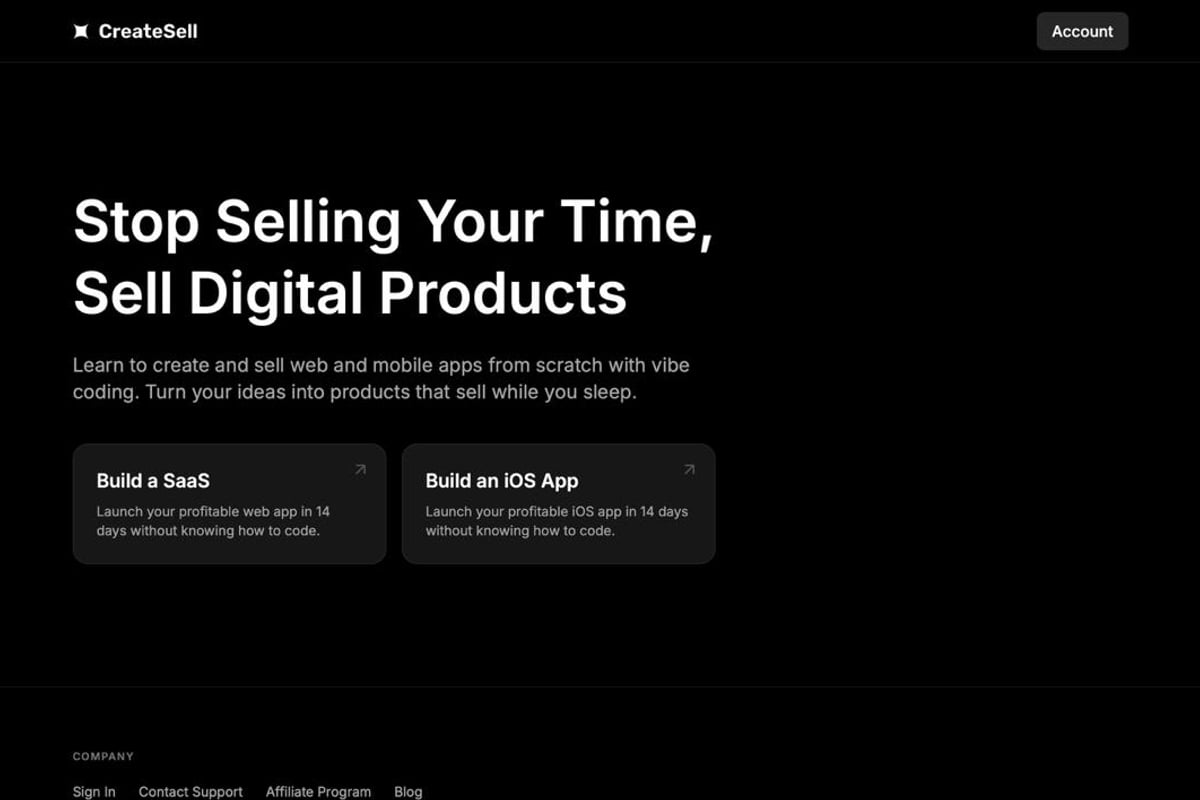
If you're running a digital products business, think about how you can build assets that naturally attract organic traffic over time. Creating educational content that helps your audience solve specific problems positions you as an authority while building that crucial search visibility.
Leveraging Content Clusters for Maximum Impact
Strategic content clusters improve organic traffic by creating topical authority. Instead of random blog posts, build interconnected content hubs around core themes.
Here's how it works: create one comprehensive pillar page about a broad topic, then develop 8-12 supporting articles covering specific subtopics. Every supporting article links back to the pillar, and the pillar links out to all supporting pieces.
Example cluster for digital product creators:
| Pillar Page | Supporting Articles |
|---|---|
| The Ultimate Guide to Digital Products | How to validate your digital product idea |
| Pricing strategies for digital products | |
| Best platforms to sell digital products | |
| Marketing tactics for digital creators | |
| Automating digital product delivery |
This structure helps search engines understand you're an authority on the topic. It also keeps visitors on your site longer as they click between related articles.
Optimizing for Featured Snippets and Rich Results
Featured snippets-those highlighted boxes at the top of search results-capture a massive share of clicks. Optimizing for snippets doesn't require different content, just strategic formatting.
Snippet-friendly formats:
- Numbered lists for steps or processes
- Bullet points for features or tips
- Tables for comparisons or specifications
- Clear definitions in the first paragraph
- Direct answers to questions
When writing how-to content, structure your steps clearly with H3 subheadings. For "what is" questions, provide a concise definition in the opening paragraph, then elaborate. Google often pulls snippet content from well-formatted sections that directly answer search queries.
The Role of User Experience in Organic Rankings
Google's Core Web Vitals and page experience signals matter more in 2026 than ever before. If visitors bounce from your site immediately because it's slow, confusing, or poorly designed, your rankings will suffer.
User experience factors affecting SEO:
- Page load speed
- Mobile usability
- Safe browsing (no malware)
- HTTPS security
- Intrusive interstitial guidelines (no annoying pop-ups)
- Visual stability (content doesn't jump around while loading)
Test your site on multiple devices. Ask friends to complete specific tasks and watch where they struggle. Use heatmap tools to see where visitors click and how far they scroll. This real-world feedback helps you identify and fix friction points.

Break up long paragraphs. Add relevant images. Use bullet points and numbered lists. Include a table of contents for long articles. These formatting choices make content more scannable and engaging, reducing bounce rates and improving dwell time-both positive ranking signals.
Measuring and Improving Your Organic Traffic Results
You can't improve what you don't measure. Set up proper tracking to understand what's working and what needs adjustment.
Key metrics to monitor:
- Organic sessions (total visitors from search)
- Organic conversions (email signups, product sales)
- Average session duration
- Pages per session
- Bounce rate by landing page
- Keyword rankings over time
- Click-through rate from search results
Google Search Console shows you exactly which queries bring visitors to your site. Filter by pages getting impressions but low clicks-these represent optimization opportunities. Improve the title tag and meta description to boost click-through rates.
Set monthly goals and track progress. Maybe you're aiming for 20% organic traffic growth quarter-over-quarter, or you want to rank in the top 10 for five target keywords. Following a comprehensive SEO checklist helps ensure you're covering all the bases consistently.
Social Signals and Content Distribution
While social shares aren't direct ranking factors, they amplify your content's reach and increase the likelihood of earning backlinks. When your article gets shared widely, more people see it, more sites link to it, and your organic traffic grows.
Distribution channels worth your time:
- LinkedIn (especially for B2B and professional content)
- Twitter/X (for quick tips and thread-style breakdowns)
- Reddit (when you provide value, not self-promotion)
- Niche online communities and forums
- Email list (your most valuable distribution channel)
Repurpose your best content into different formats. Turn a comprehensive blog post into a YouTube video, a Twitter thread, a LinkedIn carousel, or a podcast episode. Each format reaches different segments of your audience and creates additional entry points back to your site.
Local SEO for Digital Product Creators
Even if you sell digital products globally, local SEO can still matter. If you offer coaching, consulting, or location-specific digital products, optimizing for local search opens additional traffic channels.
Claim your Google Business Profile. Fill it out completely with accurate information, high-quality photos, and regular updates. Encourage satisfied customers to leave reviews. Respond to all reviews, positive and negative, professionally.
Create location-specific content if it makes sense for your business. A course creator might write "Best Digital Product Ideas for [City] Entrepreneurs" or "How [City] Freelancers Can Build Passive Income Streams."
Voice Search Optimization
Voice search continues growing, with more people using Siri, Alexa, and Google Assistant to find information. Voice queries differ from typed searches-they're longer, more conversational, and often phrased as questions.
Optimize for voice by targeting question keywords and providing direct answers. Create FAQ pages addressing common questions in your niche. Use natural language in your content that matches how people actually speak.
Structure your content to answer the "who, what, where, when, why, and how" questions related to your topics. When someone asks their smart speaker how to get organic traffic, you want your content providing the answer.
The Long Game: Consistency and Patience
Here's the truth nobody wants to hear: organic traffic takes time. You won't publish one article and see thousands of visitors overnight. SEO is a long-term strategy that rewards consistency and patience.
Realistic timeline expectations:
| Timeframe | What to Expect |
|---|---|
| Month 1-3 | Minimal traffic, focus on building foundation |
| Month 4-6 | First rankings appear, trickle of organic visitors |
| Month 7-12 | Noticeable growth, some articles gaining traction |
| Year 2+ | Compounding results, established authority |
Commit to publishing quality content regularly. Whether that's once a week or twice a month, consistency matters more than frequency. Build systems that make content creation sustainable for the long haul. Batch your writing, repurpose existing content, and don't burn yourself out trying to publish daily.
The entrepreneurs who succeed with organic traffic are those who view it as planting seeds. You're building an asset that grows more valuable over time, attracting qualified visitors and potential customers while you focus on other aspects of your business.
Learning how to get organic traffic transforms your digital product business from a constant hustle into a self-sustaining system. By implementing these strategies consistently-creating valuable content, optimizing technically, building authority, and measuring results-you'll build a reliable stream of qualified visitors who discover your products naturally through search. If you're ready to stop trading time for money and build digital products that generate passive income, CreateSell provides the courses and resources to turn your expertise into profitable apps and digital products that work while you sleep.