
The Essential Guide to Direct and Digital Marketing 2026

Modest Mitkus
May 7, 2026
In 2026, businesses face a rapidly evolving marketing environment where every decision matters. The convergence of direct and digital marketing presents both challenges and opportunities for companies determined to stand out.
This essential guide to direct and digital marketing will clarify the strategies needed to succeed. You will discover how to master the fundamentals, leverage new and traditional channels, and effectively integrate your campaigns for maximum impact.
Expect insights on measurement tactics, ethical considerations, and the trends shaping tomorrow’s success. Ready to cut through the noise and future-proof your marketing? Dive in, and unlock the full potential of direct and digital marketing.
Understanding Direct and Digital Marketing: Definitions and Core Concepts
In 2026, businesses face a rapidly shifting marketing environment where understanding direct and digital marketing is essential for sustainable growth. These two approaches, while distinct, are now more interconnected than ever, forming the backbone of modern customer engagement strategies.

Defining Direct and Digital Marketing
Direct marketing is a targeted approach where businesses communicate straight to individual consumers, aiming for a specific response or transaction. Classic examples include direct mail campaigns, telemarketing, and SMS promotions.
Digital marketing leverages online channels and technologies to reach, engage, and convert audiences. This includes strategies like email marketing, social media advertising, search engine marketing, and programmatic display ads.
Both direct and digital marketing prioritize measurable outcomes and personalized experiences, making them invaluable for brands seeking deeper customer connections.
Key Characteristics
Direct and digital marketing share several core attributes:
- Targeted audience selection: Campaigns are designed for specific segments, increasing relevance.
- Personalization: Messages are tailored based on consumer data and preferences.
- Measurable results: Every campaign can be tracked, allowing for clear ROI calculations.
- Relationship building: Ongoing communication fosters loyalty and repeat business.
These characteristics empower businesses to deliver precise, impactful messages and adapt quickly to audience feedback.
Differences and Overlaps
While direct and digital marketing have unique strengths, their boundaries often blur. The table below summarizes key differences and overlaps:
| Aspect | Direct Marketing | Digital Marketing | Overlap |
|---|---|---|---|
| Channel Examples | Mail, phone, SMS | Email, social media, web | SMS, email, personalized ads |
| Interaction Speed | Delayed (mail) | Real-time (online) | Both enable two-way dialogue |
| Personalization Level | High | High | Data-driven targeting |
| Measurement | Response codes, calls | Analytics, tracking | ROI, conversion tracking |
Brands often integrate both methods, creating seamless customer journeys that combine physical and digital touchpoints.
Evolution to Omnichannel Strategies
Over the last decade, direct and digital marketing have evolved significantly. Traditional direct mail and telemarketing were once the mainstay, but now, omnichannel strategies dominate.
In 2026, businesses coordinate campaigns across mail, email, SMS, and social media, ensuring consistent messaging and multiple touchpoints. For example, a retail brand might send a catalog, follow up with a personalized email, and reinforce the offer via social ads.
This evolution enables brands to meet audiences where they are, increasing engagement and maximizing impact.
The Role of Data and Technology
Data and technology are fundamental to direct and digital marketing success. Advanced analytics, CRM systems, and marketing automation platforms allow businesses to segment audiences, personalize messaging, and track results in real time.
For organizations seeking to enhance their campaigns, exploring the best digital marketing tools can provide a competitive edge by streamlining processes and improving targeting accuracy.
As data privacy regulations tighten, ethical data use and transparent practices are more critical than ever.
Real-World Examples
Effective direct and digital marketing campaigns appear in many forms:
- A financial service provider sends tailored direct mail offers to high-value prospects, then follows up with targeted email reminders.
- E-commerce brands deploy SMS alerts for flash sales, paired with retargeting ads on social platforms.
- Non-profits use telemarketing to solicit donations, supported by digital campaigns to nurture long-term relationships.
These examples highlight the practical integration of both approaches.
Impact and Statistics
The impact of direct and digital marketing is measurable and profound. Recent studies show direct mail achieves some of the highest response rates among all channels, especially for older demographics. Digital marketing, meanwhile, offers real-time engagement and broader reach, connecting brands with global audiences instantly.
Integrated strategies leveraging both direct and digital marketing consistently outperform single-channel efforts, resulting in higher ROI and stronger customer loyalty.
Core Channels and Tactics in 2026
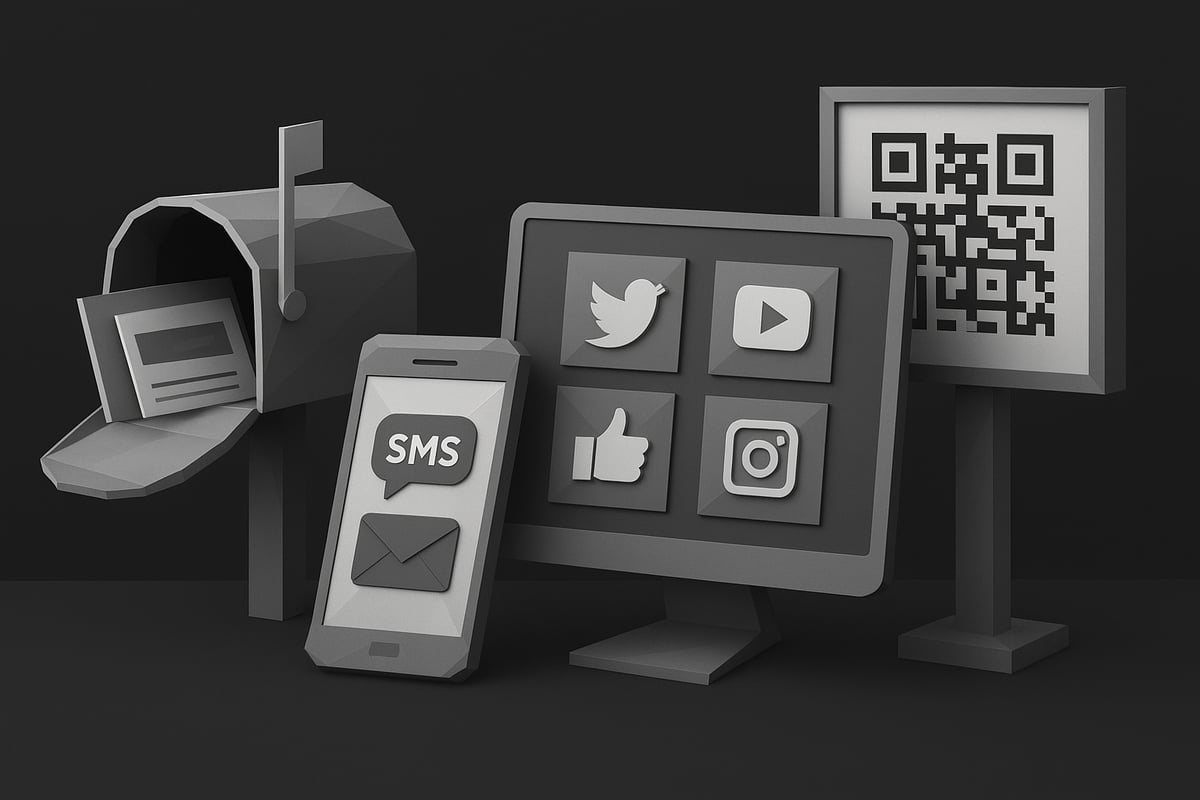
In 2026, direct and digital marketing strategies are more diverse and interconnected than ever. The right mix of channels and tactics can dramatically expand reach, boost engagement, and increase conversions. Understanding the strengths of each approach helps businesses craft campaigns that stand out and drive measurable results.
Traditional Direct Marketing Channels
Traditional channels remain highly effective within direct and digital marketing, especially for certain audiences. Direct mail, such as postcards, catalogs, and letters, continues to deliver tangible, personalized experiences that capture attention. Retail brands often use catalogs to drive both online and in-store sales, demonstrating the enduring value of print.
Telemarketing is another core component of direct and digital marketing, facilitating real-time conversations for sales, surveys, and lead generation. Outbound and inbound calls allow businesses to connect directly with prospects, gaining valuable feedback and building rapport.
Direct response advertising, including TV, radio, and print ads with clear calls-to-action, complements these efforts by encouraging immediate responses. For many demographics, especially older or high-value segments, these channels achieve high response rates and strong ROI.
Comparison Table: Traditional Channels
| Channel | Example Use Case | Key Benefit |
|---|---|---|
| Direct Mail | Catalogs for retail | Tangible, personal |
| Telemarketing | Lead generation calls | Real-time feedback |
| Direct Response | TV/Print ads with CTA | Broad reach |
Direct and digital marketing strategies that incorporate traditional channels often see increased customer loyalty, as physical touchpoints create memorable brand interactions.
Digital Marketing Channels and Innovations
Digital channels have evolved rapidly in direct and digital marketing, offering unprecedented personalization and scalability. Email marketing stands out for its ability to deliver segmented, automated campaigns tailored to user behavior and preferences. Leveraging email sequence best practices can significantly improve engagement and conversion rates.
SMS and mobile marketing provide real-time updates, flash sales, and personalized offers directly to users' phones. Social media platforms like Facebook, Instagram, TikTok, and LinkedIn enable both organic and paid campaigns, expanding reach and fostering community engagement.
Display and programmatic advertising use advanced targeting based on user behavior, while search engine marketing—both SEO and PPC—captures audiences actively searching for solutions. E-commerce brands, for example, successfully use retargeting ads to recover abandoned carts and increase sales.
Key Digital Tactics:
- Personalized email sequences
- Automated SMS campaigns
- Social media ads and influencer partnerships
- Retargeting and programmatic ads
- SEO and PPC for discovery
Direct and digital marketing campaigns that leverage these digital innovations benefit from real-time analytics, rapid optimization, and the ability to scale outreach efficiently.
Integrating Traditional and Digital for Omnichannel Success
The most successful direct and digital marketing strategies in 2026 blend traditional and digital channels for a seamless omnichannel experience. Coordinating direct mail with digital follow-ups, such as sending an email after a postcard is received, increases touchpoints and reinforces messaging.
Brands use QR codes and personalized URLs (PURLs) on print materials to bridge offline and online journeys. This integration allows businesses to track responses and guide users to tailored digital experiences. Retargeting website visitors with direct mail offers is another effective tactic, especially for re-engaging high-value prospects.
Omnichannel Integration Tactics:
- Combine SMS, email, and direct mail in campaigns
- Use QR codes to connect print to digital
- Schedule touchpoints for optimal timing
Data shows that integrated direct and digital marketing campaigns yield higher response and conversion rates than single-channel efforts. Brands that synchronize messaging and timing across all channels create a cohesive brand experience, driving deeper engagement and stronger ROI.
Step-by-Step Guide to Building an Integrated Direct and Digital Marketing Strategy
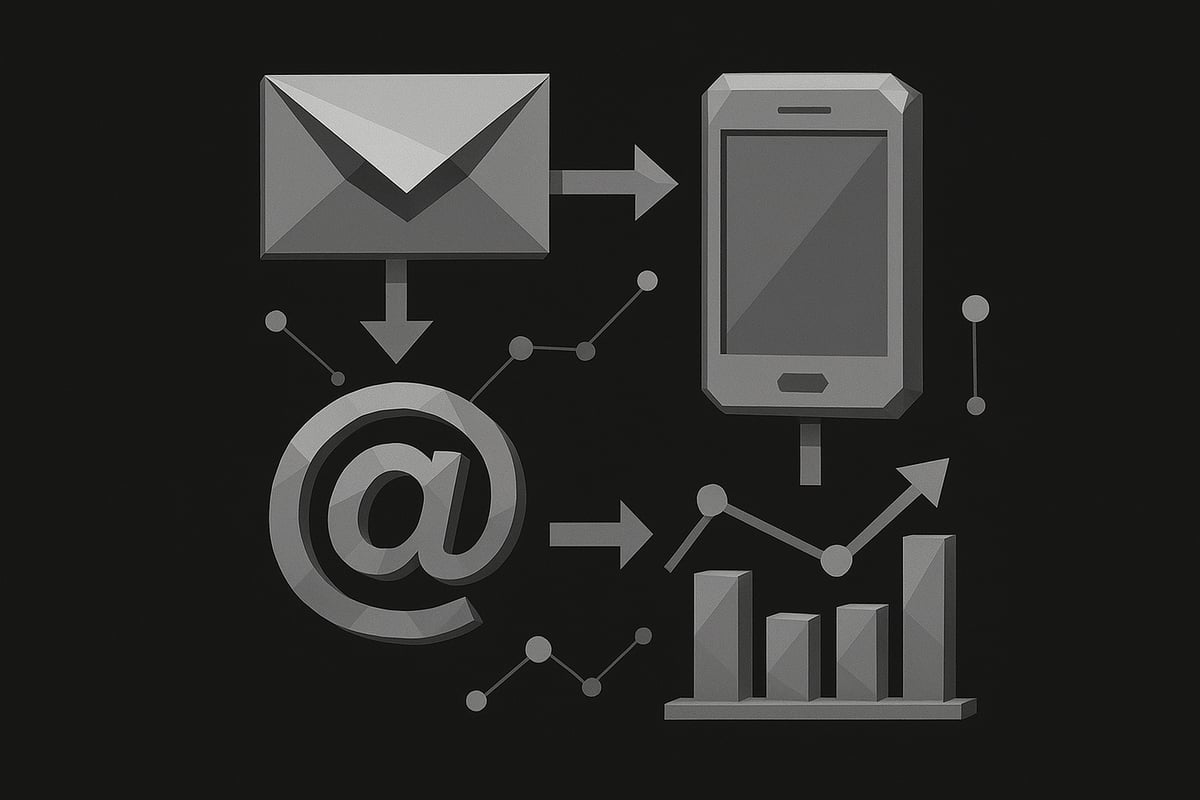
Building a successful direct and digital marketing strategy in 2026 requires a methodical, integrated approach. By following these essential steps, businesses can coordinate their efforts, maximize ROI, and deliver a seamless experience across every channel.
Step 1: Audience Identification and Segmentation
A strong direct and digital marketing campaign begins with understanding your audience. Segment customers by demographics, behaviors, and preferences, using robust data analysis to pinpoint high-value prospects.
Consider breaking your audience into groups such as:
- Age, gender, and location
- Purchase history and frequency
- Engagement with previous campaigns
For example, segmenting by purchase history allows you to send tailored offers that feel relevant and personal. Understanding whether your audience prefers digital touchpoints or physical mail is crucial for maximizing engagement.
For more detailed tactics, explore this lead generation strategy tips resource to refine your segmentation and targeting approach.
Step 2: Crafting a Unified Message and Brand Experience
Consistency is key when delivering your brand message through direct and digital marketing. Develop a single campaign narrative that resonates across every channel.
Align your creative assets—such as images, taglines, and calls-to-action—so each touchpoint reinforces your value proposition. For instance, running a holiday campaign across email, social media, and direct mail with the same imagery and offer strengthens recall.
Benefits of a unified approach include:
- Stronger brand identity
- Higher customer trust
- Improved message retention
Unified messaging ensures your audience receives a cohesive experience regardless of how they interact with your brand.
Step 3: Channel Coordination and Campaign Timing
Coordinating the timing of your direct and digital marketing channels is essential for impact. Plan out when each touchpoint will reach your audience to maximize results.
Use automation tools to synchronize efforts, such as:
- Sending an email follow-up after a direct mail postcard
- Triggering SMS reminders post-email engagement
- Scheduling social ads to coincide with physical catalog deliveries
Multiple, well-timed touchpoints nurture prospects and increase conversion rates. For example, a triggered email after a mail delivery can prompt immediate action.
Step 4: Testing, Optimization, and Iteration
Continuous improvement drives success in direct and digital marketing. Employ A/B testing to compare different creatives, offers, and send times across channels.
Key elements to test include:
- Subject lines in email versus headlines in mailers
- Offer types (discount vs. free gift)
- Timing of campaign launches
Analyze response rates and conversion data to identify what works best. Use these insights to refine future campaigns, ensuring incremental gains with each iteration.
Step 5: Measurement, Analytics, and Attribution
Effective measurement is the backbone of direct and digital marketing. Set clear KPIs for each channel, such as open rates, response rates, conversions, and ROI.
Utilize tracking methods like:
| Tracking Tool | Channel | Purpose |
|---|---|---|
| UTM codes | Email, social, ads | Track digital traffic sources |
| PURLs | Direct mail | Connect offline to online |
| Analytics platforms | All | Real-time performance reporting |
Multi-touch attribution models help you understand how each interaction contributes to conversions. For example, monitoring web traffic increases after a direct mail drop can identify the true impact of your offline efforts.
Step 6: Compliance, Privacy, and Ethical Considerations
In 2026, compliance and ethics are non-negotiable in direct and digital marketing. Adhere to data privacy laws such as GDPR and CCPA, always obtaining consent and providing clear opt-out options.
Best practices include:
- Including privacy notices on every communication
- Being transparent about data collection and use
- Respecting customer preferences for contact channels
Ethical marketing builds trust and ensures long-term loyalty. Prioritize transparency at every step of your integrated strategy.
Measuring Effectiveness: Metrics, Tools, and Optimization in 2026
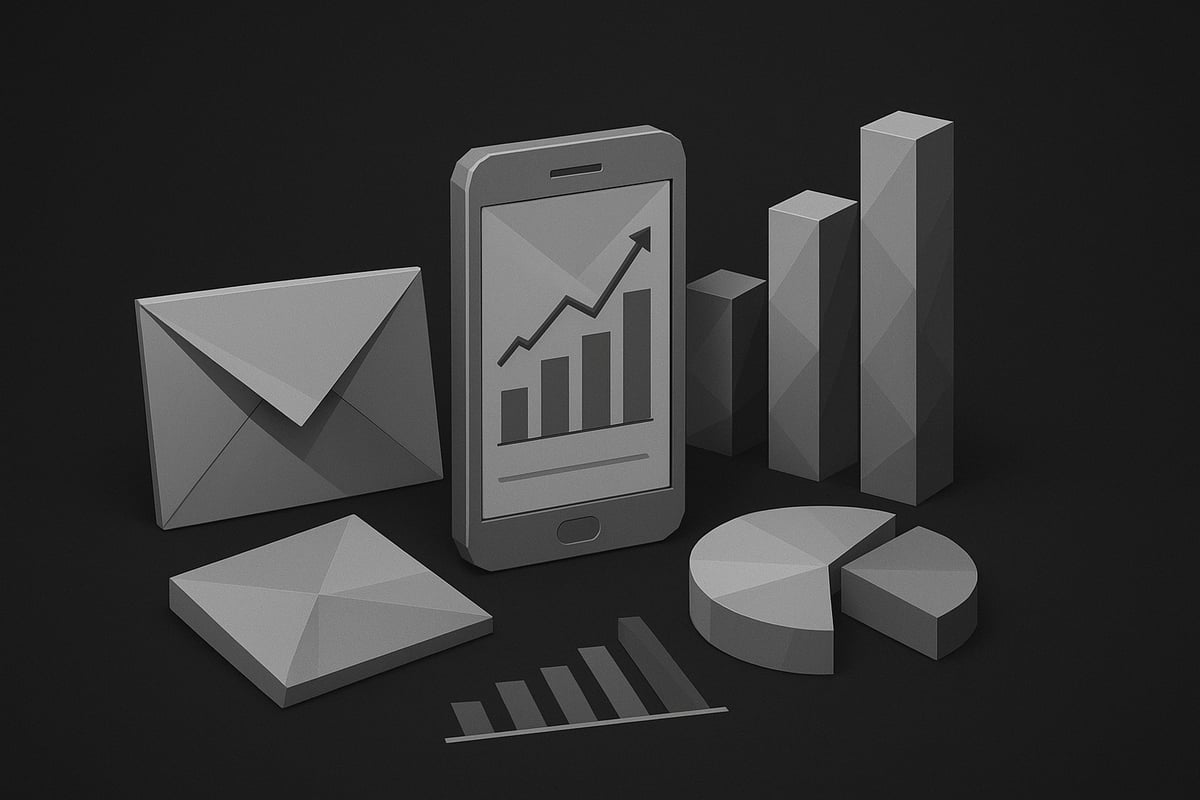
In 2026, measuring the effectiveness of direct and digital marketing is more critical than ever. With marketing budgets under scrutiny and channels multiplying, businesses must track performance to maximize ROI and drive growth. Effective measurement enables teams to refine campaigns, allocate resources wisely, and prove the true value of direct and digital marketing investments.
Core Metrics and Channel Benchmarks
To assess direct and digital marketing outcomes, focus on quantifiable metrics. Common indicators include response rates, conversion rates, customer acquisition cost (CAC), customer lifetime value (CLV), and overall ROI. Each channel brings unique benchmarks, so comparing their performance side by side is essential.
Here’s a quick reference table for channel-specific benchmarks in 2026:
| Channel | Avg. Response Rate | Avg. Conversion Rate | Typical ROI |
|---|---|---|---|
| Direct Mail | 5-9% | 2-4% | High (up to 29%) |
| Email Marketing | 15-25% (opens) | 1-3% | Moderate-High |
| SMS Marketing | 20-35% (opens) | 5-8% | High |
| Social Media Ads | 1-2% (engagement) | 1-2% | Variable |
Tracking these metrics for direct and digital marketing allows marketers to optimize channel mix and campaign strategy.
Tools and Analytics Platforms
Modern analytics platforms and CRM systems are indispensable for direct and digital marketing measurement. Real-time dashboards provide visibility into campaign performance, enabling quick adjustments.
Popular tools include:
- Google Analytics and UTM parameters for web traffic attribution
- CRM platforms like Salesforce or HubSpot for customer journey tracking
- Email and SMS platforms with built-in analytics
- Data visualization tools for cross-channel reporting
Integrating these solutions helps unify data, making it easier to compare direct and digital marketing results and act on insights. For a deeper dive into digital product campaign measurement, see this Digital product marketing guide.
Attribution and Testing for Optimization
Attribution modeling is essential to understand which touchpoints drive conversions in direct and digital marketing. Single-touch models assign credit to the first or last interaction, while multi-touch models distribute credit across the customer journey. Multi-touch attribution is especially valuable for omnichannel campaigns, revealing how direct mail, email, and digital ads work together.
A/B and multivariate testing support continuous improvement. For example, marketers can test different email subject lines or direct mail headlines to see which performs best. Using UTM codes in digital campaigns enables precise tracking of clicks and conversions from each source.
Continuous Optimization and Integrated Campaigns
Optimization is an ongoing process in direct and digital marketing. By regularly reviewing analytics, marketers can identify underperforming channels and shift resources for greater impact. Integrated campaigns that combine direct mail, email, and digital channels consistently deliver higher ROI and customer retention rates.
Regular reporting, campaign iteration, and data-driven decision-making ensure that direct and digital marketing efforts remain effective as consumer behavior evolves. As integration deepens, marketers who prioritize measurement will stay ahead of the competition.
Ethical, Legal, and Privacy Considerations in Direct and Digital Marketing
Navigating the ethical, legal, and privacy landscape is vital for any direct and digital marketing strategy in 2026. As brands seek to connect with consumers, the responsibility to protect data, honor privacy, and build trust has never been greater. Ignoring these principles can jeopardize both reputation and results.
Understanding Major Regulations
Compliance is foundational in direct and digital marketing. Key regulations include the General Data Protection Regulation (GDPR), which governs data use in the EU, and the California Consumer Privacy Act (CCPA), which protects residents' data in California. The CAN-SPAM Act sets ground rules for commercial emails, while the Telephone Consumer Protection Act (TCPA) regulates marketing calls and texts. These laws require marketers to secure consent, provide opt-out mechanisms, and handle personal information responsibly.
Best Practices for Data Collection, Storage, and Usage
Collecting data for direct and digital marketing must be transparent and purposeful. Always inform users what data is gathered and why. Store information securely, limiting access to only those who need it. Regularly audit databases to ensure compliance and accuracy. Use encryption and strong access controls to safeguard sensitive details. Proper data management is essential for maintaining customer confidence and adhering to evolving legal standards.
Ethical Marketing: Honesty and Respect for Consumers
Ethical direct and digital marketing means going beyond legal requirements. Marketers should avoid misleading claims, respect consumer preferences, and never use deceptive tactics. Honesty fosters trust, and honoring opt-out requests promptly shows respect for individual boundaries. Ethical practices are not just about avoiding penalties—they are about building lasting relationships and enhancing brand reputation in a crowded marketplace.
Balancing Personalization with Privacy and Managing Risks
Personalization is a powerful tool in direct and digital marketing, but it must be balanced with privacy expectations. Implement clear opt-in and opt-out processes for email and SMS campaigns. Transparency about how data is used is crucial for building trust. Marketers leveraging AI-driven omnichannel marketing strategies must ensure that automation respects user consent and regulatory boundaries. Non-compliance can result in hefty fines and damage to brand credibility. Ultimately, consumer trust is a critical asset—brands that prioritize privacy and transparency will drive loyalty and sustainable success.
Future Trends: What’s Next for Direct and Digital Marketing?
The world of direct and digital marketing is evolving rapidly as 2026 approaches. Businesses are reimagining how to reach, engage, and delight customers in a landscape shaped by emerging technology and new consumer demands.
AI and Machine Learning Drive Hyper-Personalization
Artificial intelligence is at the forefront of direct and digital marketing innovation. Brands are leveraging machine learning to analyze vast data sets, segment audiences more precisely, and personalize content at scale. This enables marketers to send relevant offers at the perfect moment, increasing engagement and driving conversions.
AI is now central to campaign automation, predictive analytics, and dynamic content creation. For a deeper look at how AI is transforming omnichannel experiences, see this guide on AI-driven omnichannel marketing strategies.
Omnichannel Integration Accelerates
Consumers expect seamless experiences across every touchpoint. In 2026, direct and digital marketing strategies are increasingly omnichannel, blending physical and digital channels to create unified journeys. Brands coordinate direct mail, email, SMS, and social media, ensuring consistent messaging and timing.
Innovations like QR codes and personalized URLs bridge offline materials with online actions, making it easy for customers to respond and interact. Integrated approaches drive higher response rates and deliver measurable ROI.
Interactive Direct Mail Evolves
Direct mail is experiencing a renaissance, thanks to new technologies. Marketers now use augmented reality, QR codes, and even personalized video content to transform traditional mail into an interactive experience. This reinvention captures attention and encourages immediate action, especially among high-value segments.
Automation tools and marketing platforms are making it easier to launch and measure these campaigns. Discover more about the latest tools in emerging trends in omnichannel marketing automation.
Voice Search and Conversational Marketing Expand
The rise of voice assistants and smart devices is changing how consumers find information and shop. Voice search optimization is now a core part of direct and digital marketing, requiring brands to adapt content for natural language queries.
Conversational marketing, using chatbots and messaging platforms, enables real-time customer engagement. These tools deliver instant responses and personalized recommendations, meeting the demand for speed and relevance.
Evolving Consumer Expectations
Consumers in 2026 demand instant, relevant, and privacy-respecting experiences. They respond best to marketing that feels personalized but not intrusive. Successful direct and digital marketing strategies prioritize transparency, clear consent, and ethical data usage.
Meeting these expectations builds trust and loyalty, setting brands apart in a competitive marketplace.
The Road Ahead
Direct and digital marketing will continue to converge, driven by innovation and shifting consumer needs. Brands that embrace AI, integrate channels, and create interactive experiences will lead the way. Staying agile and ethical is essential to thrive in the marketing landscape of 2026.
After exploring the powerful strategies and trends shaping direct and digital marketing in 2026, you might be wondering how to put these insights into practice and build your own future-proof business. If you’re ready to move beyond trading your hours for income and start leveraging your expertise through digital products, I invite you to take the next step. At CreateSell, you’ll find in depth guidance and resources to help you craft your brand, grow your audience, and automate sales—so you can create a business that works for you around the clock. Let’s get started together: Get Started