
Digital Marketing 101 Guide: Your Essential 2026 Roadmap

Modest Mitkus
May 7, 2026
Did you know that over 81% of consumers now start their buying journey online? In 2026, the pace of change in digital marketing 101 can feel overwhelming for newcomers and even seasoned professionals. Algorithms shift, channels multiply, and customer expectations rise every year. This guide cuts through the noise, offering a clear, step-by-step roadmap for mastering digital marketing 101 fundamentals and strategies. You will discover the essentials, from building your strategy to leveraging analytics and automation. Stay ahead of the curve and unlock real results—read on for your essential guide to digital marketing 101 success in 2026.
Understanding Digital Marketing Fundamentals in 2026
Digital marketing 101 is the cornerstone of modern business success in 2026. As brands compete for attention in a digital-first world, understanding the basics and evolving trends is non-negotiable. The landscape is more dynamic than ever, with new technologies, channels, and strategies shaping how businesses connect with customers.
Defining Digital Marketing: What It Is and Why It Matters
Digital marketing 101 is the practice of promoting products or services using online channels. It plays a critical role in customer acquisition, brand building, and driving revenue growth. Unlike traditional marketing, digital marketing enables precise targeting, real-time measurement, and scalable campaigns.
A striking 81% of shoppers conduct online research before making a purchase, emphasizing the importance of digital presence. Digital marketing 101 covers platforms such as search engines, social media, email, and influencer networks. Each channel offers unique opportunities for engagement and conversion.
The shift toward omnichannel and personalized experiences is defining 2026. Consumers expect seamless interactions across devices and platforms. For example, a customer might discover a brand via a Google search, engage with its Instagram content, and receive a personalized email offer.
The global impact is undeniable. Digital marketing now accounts for the majority of global ad spend, surpassing traditional channels. This transformation is reshaping business models, expanding market reach, and fueling competition. For additional insights into this trend, see Digital marketing now accounts for the majority of global ad spend in 2026.
Core Components: The 2026 Digital Marketing Ecosystem
The digital marketing 101 ecosystem in 2026 is built on key components working together for maximum impact:
- SEO (Search Engine Optimization): Boosts organic visibility on search platforms.
- PPC (Pay-Per-Click): Drives targeted traffic through paid ads.
- Content Marketing: Educates and engages through valuable content.
- Social Media Marketing: Connects with audiences on leading platforms.
- Email Marketing: Nurtures leads and retains customers.
- Affiliate and Influencer Marketing: Expands reach via trusted voices.
- Automation: Streamlines campaigns and personalizes experiences.
Emerging channels are redefining strategies. AI-driven chat, voice search, and interactive video are now mainstream. Notably, PPC and SEO remain top ROI channels for small and midsize businesses.
Consider a sample customer journey: a user searches for a solution, finds your blog (SEO), sees a retargeting ad (PPC), follows your brand on TikTok (social media), and receives a tailored offer via email. Each touchpoint builds trust and nudges the user toward conversion.
Mobile-first design and video content are must-haves in digital marketing 101. Consumers increasingly access content on smartphones, and short-form videos dominate engagement metrics.
Key Terms and Concepts Every Marketer Should Know
To master digital marketing 101, you must understand essential terms:
- Conversion Rate: The percentage of visitors completing a desired action.
- CTR (Click-Through Rate): The ratio of users clicking an ad or link.
- CPC (Cost Per Click): The price paid for each ad click.
- ROI (Return on Investment): A measure of campaign profitability.
- Funnel: The stages a prospect moves through before purchasing.
- Retargeting: Re-engaging users who interacted with your brand.
Additional concepts include “bid,” “geo-targeting,” and “keyword strategy.” These are vital for campaign optimization.
Data-driven decision making is at the heart of digital marketing 101. Marketers rely on analytics to refine tactics and maximize returns. Automation and AI are transforming workflows, enabling smarter targeting, content creation, and real-time adjustments.
Staying current with terminology and concepts ensures you can adapt as digital marketing evolves. Every marketer in 2026 must be fluent in these fundamentals to succeed.
Building Your Digital Marketing Strategy: Step-by-Step Roadmap
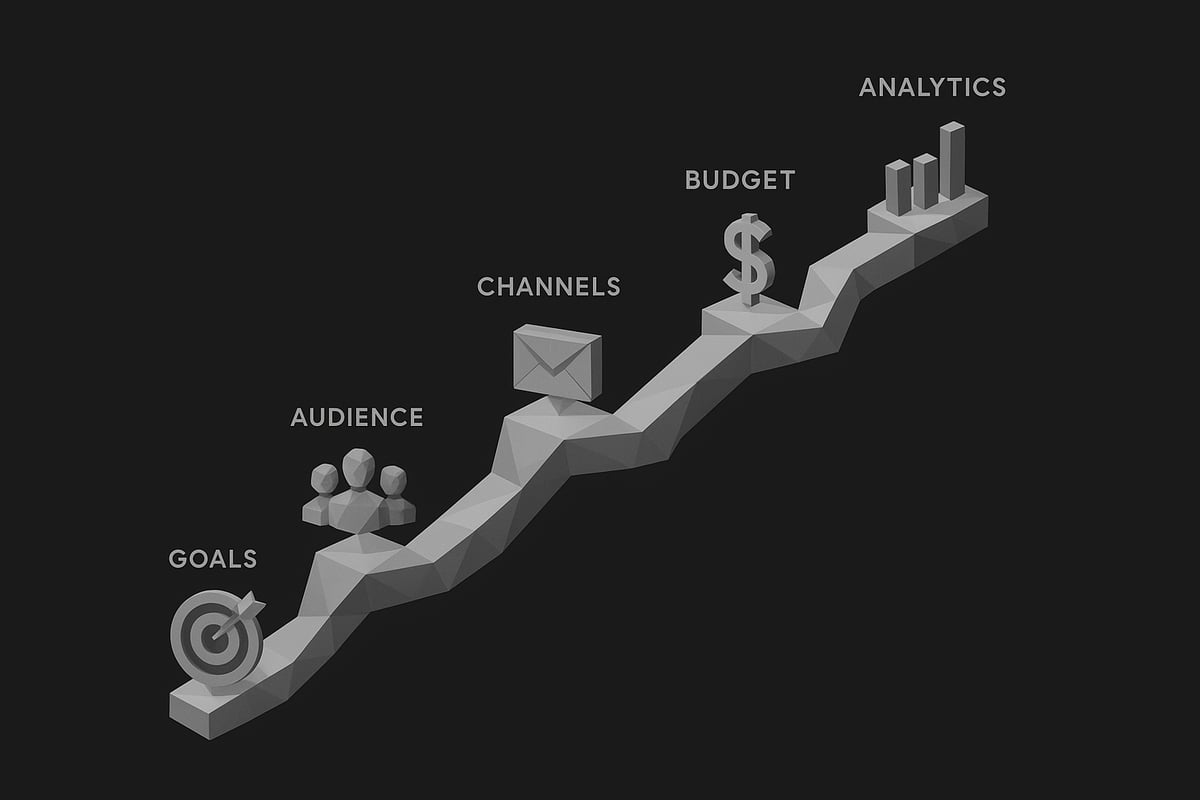
Crafting a winning digital marketing 101 strategy in 2026 requires a precise, step-by-step approach. With so many platforms, tools, and trends competing for attention, having a clear roadmap is essential. Let us break down the process into actionable steps that will empower you to build a foundation for measurable growth.
Step 1: Set Clear, Measurable Goals
Every digital marketing 101 plan starts with defining what success looks like. Use SMART goals: Specific, Measurable, Achievable, Relevant, and Time-bound. For example, aim to "increase website traffic by 30 percent in Q1" or "grow your email list by 2,000 subscribers."
Align your digital marketing 101 goals with core business objectives. If your goal is to boost online sales, set targets for conversion rates or average order value. Consider tracking metrics like the number of reviews per month or social followers by year-end. A clear goal keeps your team focused and accountable.
| Goal Type | Example Target |
|---|---|
| Website Traffic | +30 percent in Q1 |
| Email List Growth | 2,000 new subscribers |
| Social Followers | +5,000 by year-end |
| Online Reviews | 50 per month |
Step 2: Know Your Audience Inside Out
Understanding your audience is at the heart of digital marketing 101. Build detailed customer profiles and segments using data such as demographics, interests, pain points, and online behaviors.
Leverage tools like Google Analytics, social media insights, and customer surveys to gather actionable data. Create personas for your core segments. For example, campaigns for Gen Z may feature short-form videos and interactive content, while Millennials may prefer long-form guides and podcasts.
Segmenting your audience enables tailored messaging, higher engagement, and better ROI. The more you know about your customers, the more effective your digital marketing 101 strategy becomes.
Step 3: Map Out Your Customer Journey
A successful digital marketing 101 approach requires mapping every step your customer takes, from first touch to loyal advocate. Define key stages: Awareness, Consideration, Conversion, Retention, and Advocacy.
Use an omnichannel mindset. For example, a customer might discover you through organic search, see a retargeting ad on social media, then receive a personalized email offer. Each touchpoint should guide them closer to conversion.
To deepen your understanding of guiding leads through conversion funnels, explore this Lead Generation Strategy Guide for practical tactics. Mapping the journey helps you identify content gaps, optimize messaging, and create a seamless experience.
Step 4: Choose the Right Digital Channels
Selecting the right channels is a pivotal part of digital marketing 101. Evaluate where your audience spends time, their intent, your budget, and current industry trends.
For B2B, LinkedIn and content marketing often deliver the best results. B2C brands may prioritize Instagram, TikTok, and influencer campaigns. Reference industry benchmarks to make data-driven choices and allocate resources wisely.
Mixing paid and organic channels maximizes your reach. Test new platforms as they emerge, but double down on the digital marketing 101 channels that consistently drive results for your business.
Step 5: Allocate Budget and Resources
Budgeting is critical for any digital marketing 101 roadmap. Assign resources based on channel performance, average cost-per-click, and expected ROI. Use recent industry data to set realistic budgets for each tactic.
Balance your investment between paid ads and organic growth. For example, allocate a higher percentage to SEO and content if your audience relies on search, or to PPC and social ads for quick wins. Track spending closely to optimize results.
| Channel | Avg. CPC | Typical ROI |
|---|---|---|
| Google Ads | $2.69 | High |
| Facebook Ads | $1.72 | Moderate-High |
| SEO | N/A | Highest (long-term) |
| Influencer | Varies | Moderate |
Step 6: Test, Measure, and Optimize
Continuous improvement is the backbone of digital marketing 101. Embrace a mindset of testing, measuring, and adjusting campaigns regularly.
Run A/B tests on landing pages, ad creatives, and email subject lines. Monitor key metrics such as conversions, bounce rates, and engagement. Use analytics platforms to uncover what works and what needs refinement.
Remember, digital marketing 101 is not a set-and-forget exercise. Regular optimization ensures your strategy adapts to new trends, technology, and customer behaviors, driving sustainable growth.
Essential Digital Marketing Channels and Tactics for 2026
Navigating the digital marketing 101 landscape means understanding how each channel contributes to overall success. In 2026, businesses must master a mix of strategies to reach, engage, and convert their audiences. Let’s break down the essential channels and the tactics shaping the future of digital marketing 101.
Search Engine Optimization (SEO)
SEO remains at the heart of digital marketing 101, driving organic traffic and building long-term brand authority. In 2026, on-page, off-page, and technical SEO are more interconnected than ever. AI-driven search, voice optimization, and user experience signals are now critical ranking factors.
To succeed, marketers must focus on optimizing for featured snippets and local SEO. For instance, targeting conversational keywords supports voice search, while structured data enhances visibility. A sample keyword strategy might include head terms and long-tail queries, ensuring crawl depth is optimized for every page.
Consider this table of 2026 SEO essentials:
| SEO Element | 2026 Trend | Example |
|---|---|---|
| On-Page | AI content optimization | FAQ schema, NLP keywords |
| Off-Page | Authority partnerships | Industry guest posts |
| Technical | Core Web Vitals, mobile UX | Fast-loading, responsive sites |
For more actionable tactics to boost organic reach, see How to Increase Website Traffic.
Pay-Per-Click Advertising (PPC)
PPC advertising is a core component of digital marketing 101, offering rapid scalability and precise targeting. In 2026, platforms like Google Ads, Facebook Ads, and Bing continue to dominate, but automation and AI-powered bidding are now standard.
Key concepts include smart bidding, compelling ad copy, and high-converting landing pages. Average cost-per-clicks and conversion rates vary by industry, so benchmarking against sector data is essential. For example, B2B brands may see higher CPCs but also higher-value conversions.
To maximize ROI, continuously test creatives, adjust bids, and use retargeting to re-engage site visitors. PPC remains vital for lead generation and brand visibility, especially when organic competition is fierce.
Social Media Marketing
Social media is evolving rapidly in digital marketing 101, with Instagram, TikTok, and LinkedIn leading the way in 2026. Marketers must prioritize short-form video, ephemeral stories, and influencer partnerships to capture attention.
Engagement is the currency of social platforms. Building active communities and encouraging user-generated content drive brand loyalty. Viral campaigns are often sparked by interactive content or authentic influencer collaborations.
Consider these 2026 social media tactics:
- Launch TikTok challenges to boost reach.
- Host live streams for real-time engagement.
- Collaborate with micro-influencers to reach niche audiences.
Social media’s role in digital marketing 101 is about fostering conversation and community, not just broadcasting messages.
Content Marketing
Content marketing anchors digital marketing 101 by attracting, educating, and converting prospects. In 2026, the content mix includes blogs, ebooks, webinars, podcasts, and especially video.
AI-generated content and interactive formats are on the rise, making it easier to personalize experiences at scale. For example, a blog series answering common questions can drive organic leads, while interactive quizzes boost engagement.
A strong content strategy supports SEO, lead generation, and thought leadership. Prioritize value-driven, original content that answers your audience’s needs and aligns with their search intent.
Email Marketing & Automation
Email remains a top ROI channel in digital marketing 101, especially when combined with automation. In 2026, list segmentation, personalized messaging, and automated workflows are standard practices.
Craft high-converting emails by focusing on clarity, relevance, and strong calls to action. Automated drip campaigns nurture prospects, while retention sequences keep customers engaged. For example, abandoned cart reminders and birthday offers are proven tactics.
To maximize results, regularly clean your lists, test subject lines, and track open and click-through rates. Automation saves time and ensures every subscriber receives timely, relevant content.
Influencer & Affiliate Marketing
Influencer and affiliate marketing are essential for expanding reach and building trust in digital marketing 101. In 2026, brands increasingly partner with creators who share their values and speak authentically to their communities.
Choosing the right partners and platforms is crucial. Micro-influencer campaigns are especially powerful in niche markets, delivering higher engagement and ROI. Track performance using unique codes and transparent reporting.
Affiliate marketing drives scalable growth by rewarding partners for conversions. The key is aligning incentives and monitoring results to ensure mutually beneficial relationships.
Leveraging Data, Analytics, and Automation for Growth
Navigating the world of digital marketing 101 in 2026 requires a strategic approach to data, analytics, and automation. As marketing evolves, businesses that leverage these pillars gain a measurable edge, transforming raw data into actionable insights and automating repetitive tasks for maximum efficiency.
The Power of Data-Driven Decision Making
At the heart of digital marketing 101 is the ability to make informed choices using data. Marketers track everything from website traffic sources to conversion rates, unlocking patterns that drive growth. Using analytics tools, such as Google Analytics and CRM dashboards, allows teams to monitor campaign performance in real time.
Consider this comparison of essential analytics tools:
| Tool | Primary Use | Strengths |
|---|---|---|
| Google Analytics | Website performance | Free, robust reporting |
| Facebook Insights | Social media analytics | Audience targeting |
| CRM Dashboards | Customer data management | Sales and retention metrics |
For those looking to optimize their digital marketing 101 strategy, exploring the Best Digital Marketing Tools can reveal platforms that make data collection and analysis more efficient. Ultimately, data-driven decision making empowers marketers to refine tactics, allocate budgets wisely, and adapt quickly to market changes.
Marketing Automation in 2026
Marketing automation has become a cornerstone of digital marketing 101, enabling brands to scale outreach and personalize experiences without manual intervention. In 2026, automation platforms orchestrate complex workflows, from email nurturing sequences to automated lead scoring and abandoned cart reminders.
Imagine launching a drip campaign that sends targeted messages based on user actions or scheduling social media posts across multiple platforms. These time-saving tactics not only boost productivity but also ensure consistent brand messaging. Automation tools can segment audiences, trigger communications at optimal times, and help marketers focus on high-value tasks.
As automation technology advances, businesses adopting digital marketing 101 frameworks are able to grow faster, nurture relationships, and improve campaign ROI.
AI and Machine Learning in Digital Marketing
Artificial intelligence is revolutionizing digital marketing 101 by bringing new levels of personalization and efficiency. AI-powered tools analyze vast datasets, predict consumer behavior, and deliver dynamic content tailored to each user. In 2026, machine learning algorithms power chatbots, recommendation engines, and predictive analytics, helping marketers anticipate trends and customer needs.
For example, AI can generate personalized product recommendations, automate customer support, or dynamically adjust ad targeting based on real-time data. With 93% of CMOs embracing generative AI in their strategies, the impact of AI on digital marketing 101 is profound. Brands using AI can scale campaigns with precision and achieve measurable results.
Privacy, Compliance, and Ethical Data Use
With the rise of advanced data strategies, digital marketing 101 must also prioritize privacy and ethical data use. In 2026, regulations like GDPR and CCPA, along with new legislative updates, require transparent data collection and clear user consent.
Marketers must balance personalization with respect for user privacy. Best practices include using secure data storage, offering easy opt-outs, and communicating how customer information is used. Ethical marketing builds trust, strengthens brand reputation, and ensures long-term success for digital marketing 101 efforts.
By embracing compliance and responsible data practices, marketers safeguard both their audiences and their business, positioning themselves for sustainable growth.
Staying Ahead: Trends and Predictions for Digital Marketing Success in 2026
Staying ahead in digital marketing 101 requires more than just keeping up with the basics. The landscape is evolving rapidly, with new platforms, technologies, and consumer expectations shaping the way brands connect with audiences. To future-proof your strategy in 2026, it is essential to understand the trends driving change and position yourself to capitalize on opportunities as they emerge.
Emerging Technologies and Platforms
The pace of innovation in digital marketing 101 is accelerating. In 2026, AI-powered search is changing how users find information, while augmented and virtual reality (AR/VR) are opening new immersive possibilities for customer engagement. Marketers are also leveraging conversational commerce through advanced chatbots and voice assistants, making the buying process seamless.
Social platforms are evolving, with new networks capturing the attention of younger audiences. Brands are experimenting with the metaverse, crafting interactive experiences that go beyond traditional ads. According to global digital ad spend projections, investment is expected to reach $1.1 trillion by 2030, emphasizing the growing dominance of digital channels. To stay ahead, marketers must monitor emerging platforms and adapt quickly to shifts in consumer behavior.
The Shift Toward Personalization and Customer Experience
Personalization is no longer a luxury in digital marketing 101, it is a necessity. Hyper-personalized content, tailored offers, and dynamic website experiences are expected by consumers at every touchpoint. Omnichannel strategies ensure seamless interactions whether a customer engages via email, social media, or live chat.
AI is at the heart of this transformation. With generative AI adoption in marketing reaching 93% among CMOs, marketers are automating personalization at scale, predicting customer needs, and optimizing campaigns in real time. Delivering consistent, relevant experiences across channels is the key to building loyalty and increasing lifetime value.
The Growing Role of Video and Interactive Content
Video content remains a cornerstone of digital marketing 101, driving higher engagement and conversion rates. In 2026, short-form videos on platforms like TikTok, Instagram Reels, and YouTube Shorts dominate user attention. Live streaming, interactive polls, and quizzes create two-way conversations, making audiences active participants rather than passive viewers.
Brands are investing in high-quality, mobile-first video content to boost visibility and connect emotionally with consumers. Interactive formats, such as live Q&As and shoppable videos, further enhance the user experience. As algorithms continue to prioritize video, marketers who master these formats will gain a significant edge.
Sustainable and Ethical Marketing Practices
Consumers in 2026 are holding brands accountable for their impact on society and the environment. Digital marketing 101 strategies now include transparent data practices, diversity in messaging, and a focus on sustainability. Green marketing initiatives and inclusive campaigns resonate with audiences who value authenticity and ethical responsibility.
Purpose-driven messaging, highlighting a brand’s values and contributions, is central to building trust. Marketers must navigate evolving privacy regulations and prioritize consent, ensuring that data collection is both ethical and compliant. Embracing these principles is not only the right thing to do but also a competitive advantage.
Skills and Mindset for the Modern Digital Marketer
The digital marketing 101 landscape demands a growth mindset and a commitment to continuous learning. Top skills for 2026 include data analytics, automation, user experience design, and compelling storytelling. Marketers must stay curious, adapt to new tools, and embrace experimentation.
Upskilling is easier than ever, with a wealth of online courses, industry certifications, and professional communities available. Being proactive in learning and networking ensures marketers remain relevant and effective in a rapidly changing environment. Those who invest in their skills and foster adaptability will lead the way in digital marketing’s future.
CreateSell: Turning Digital Marketing Knowledge Into Automated Income
Unlock the true potential of your digital marketing 101 expertise with CreateSell. This platform is designed for professionals and aspiring entrepreneurs eager to transform their marketing skills into automated income streams. By leveraging actionable strategies from Building Digital Products Online, you can master audience growth, brand authority, and seamless sales automation.
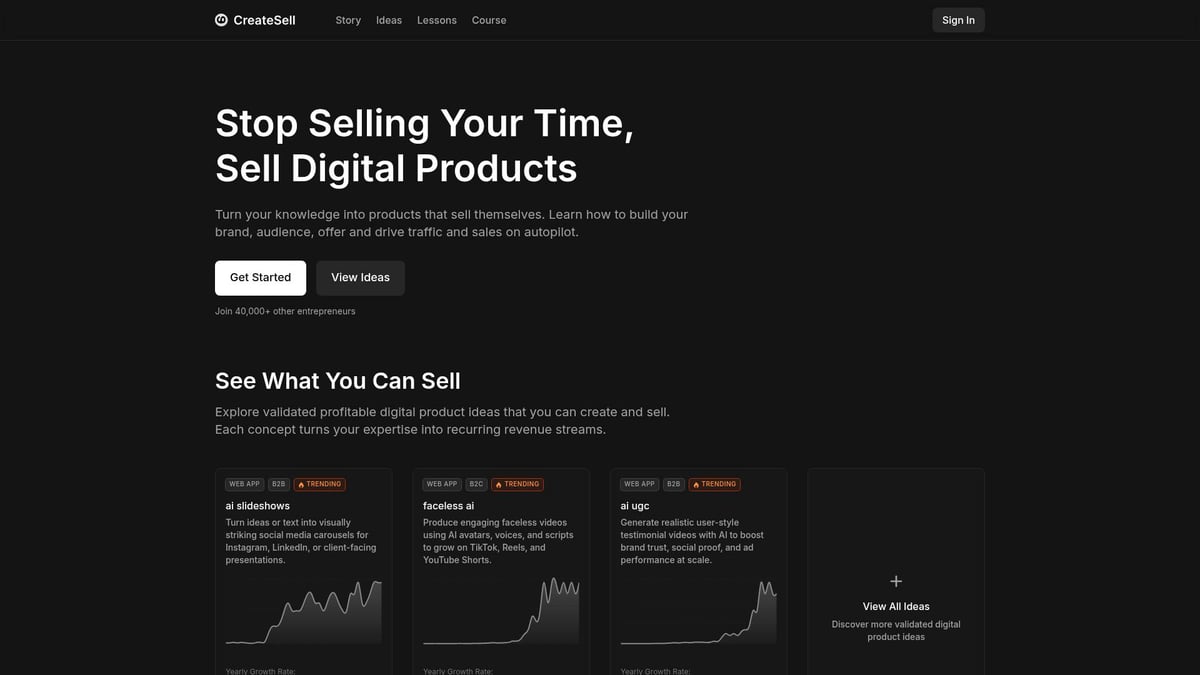
Access a wealth of data-driven product ideas, hands-on education, and expert insights tailored for launching and scaling digital products in 2026. Join a thriving community of over 40,000 creators and entrepreneurs, and accelerate your journey from knowledge to sustainable, self-sufficient business success.
You’ve just explored how digital marketing is evolving and why mastering it is essential for turning your expertise into a sustainable business in 2026. If you’re ready to move beyond trading your time for money, it’s time to put these strategies into practice. At CreateSell, you’ll find step by step guidance, actionable resources, and an inspiring community to help you build and automate your own digital product business. Let’s work together to transform your knowledge into an income stream that works for you—no matter where you’re starting from.
Get Started