
Building Your Community Platform for Creators in 2026

Modest Mitkus
May 29, 2026
Building a loyal community around your creative work isn't just a nice-to-have anymore - it's basically the whole game. Whether you're teaching people how to code, sharing your design skills, or helping others launch their first digital product, having the right community platform for creators can make the difference between shouting into the void and building something that actually sustains you. The landscape has shifted dramatically over the past few years, and in 2026, creators have more options than ever to gather their people in one place, monetize their expertise, and create genuine connections that go way beyond social media likes.
Why Traditional Social Media Isn't Enough
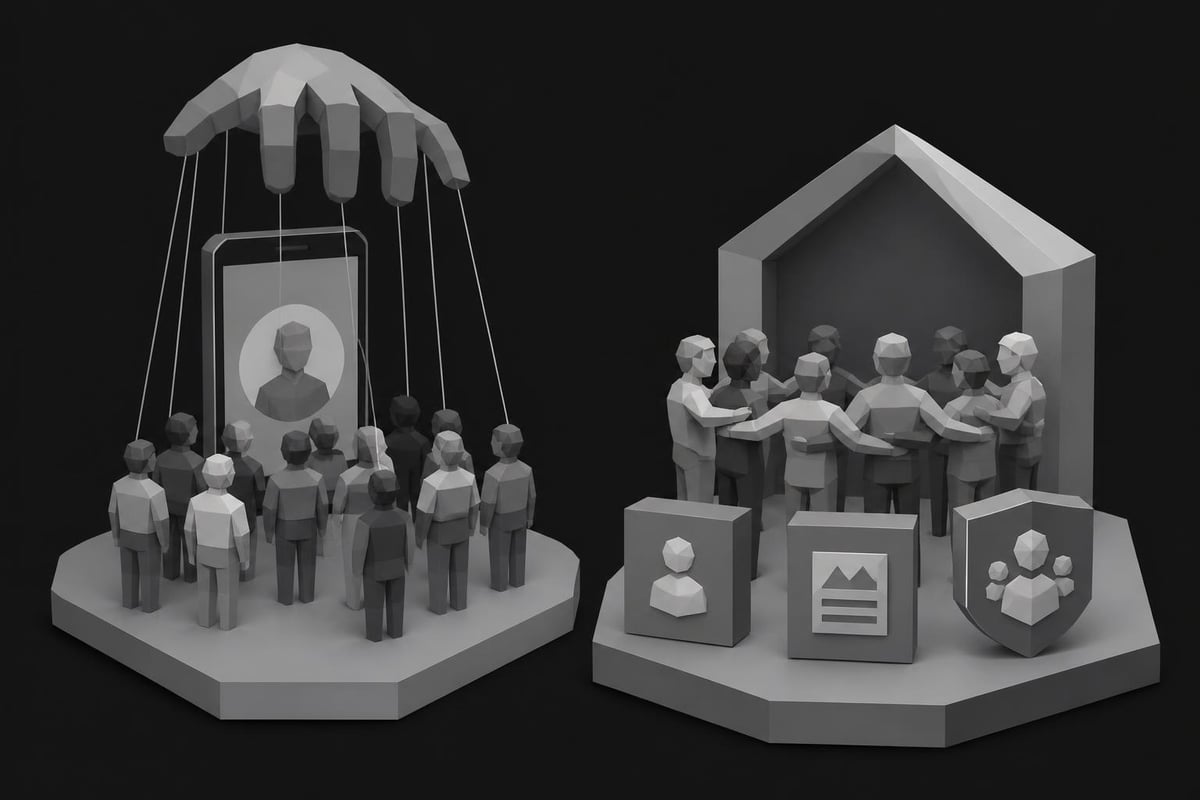
We've all been there - spending hours creating amazing content for Instagram, TikTok, or Twitter, only to realize you're building your house on rented land. The algorithm changes overnight, your reach tanks, and suddenly that audience you worked so hard to build feels completely out of reach.
That's where a dedicated community platform for creators comes in. You're not competing with cat videos and political rants for attention. Your members are there specifically for what you offer.
The Ownership Problem
Here's the thing about social platforms: you don't own your audience. At all. They can change the rules, shut down your account, or pivot their entire business model, and you're just along for the ride. A proper community platform gives you control over your member data, your content, and most importantly, your relationship with your audience.
Key advantages of platform ownership:
- Direct access to member email addresses
- Control over content distribution and visibility
- Ability to export your data anytime
- Freedom to set your own community guidelines
- No arbitrary algorithm deciding who sees your posts
Essential Features Your Community Platform Needs
Not all platforms are created equal, and what works for a photography community might totally flop for a coding bootcamp. Let's break down what actually matters when you're evaluating options for your community platform for creators.
Content Delivery and Organization
Your platform needs to handle whatever you're teaching or sharing without making people jump through hoops. Whether that's video courses, written tutorials, live workshops, or downloadable resources, the experience should feel seamless.
| Feature Type | Why It Matters | Best For |
|---|---|---|
| Video hosting | High-quality playback, no buffering frustrations | Course creators, tutorial makers |
| File libraries | Organized resources, easy downloads | Template sellers, designers |
| Discussion forums | Threaded conversations, searchable topics | All community types |
| Live streaming | Real-time interaction, Q&A sessions | Coaches, workshop leaders |
| Member directories | Networking, peer connections | Professional communities |
The organization piece is huge too. If members can't find that amazing tutorial you posted three months ago, it might as well not exist. Tags, categories, searchable archives - these aren't fancy extras, they're necessities.
Monetization That Actually Works
Look, we all want to do what we love, but bills are real. Your community platform for creators should have multiple ways to make money built right in, not through some clunky third-party integration.
Direct monetization options to look for:
- Tiered memberships - Basic, premium, VIP levels with different access
- One-time purchases - Sell specific courses or resources without ongoing commitment
- Pay-per-event - Charge for special workshops or masterclasses
- Digital product sales - Integrated store for templates, tools, or other products
- Subscription flexibility - Monthly, annual, or custom billing cycles
Some platforms take a hefty cut of your revenue, while others charge a flat monthly fee. Do the math based on your projected member count - sometimes that 10% transaction fee ends up costing way more than a $99/month platform fee.
Building Engagement That Lasts
Here's where a lot of creators mess up: they build the platform, import their content, and then wonder why nobody's actually participating. A community platform for creators isn't a content dump - it's a living, breathing ecosystem that needs intentional design.
The Welcome Experience
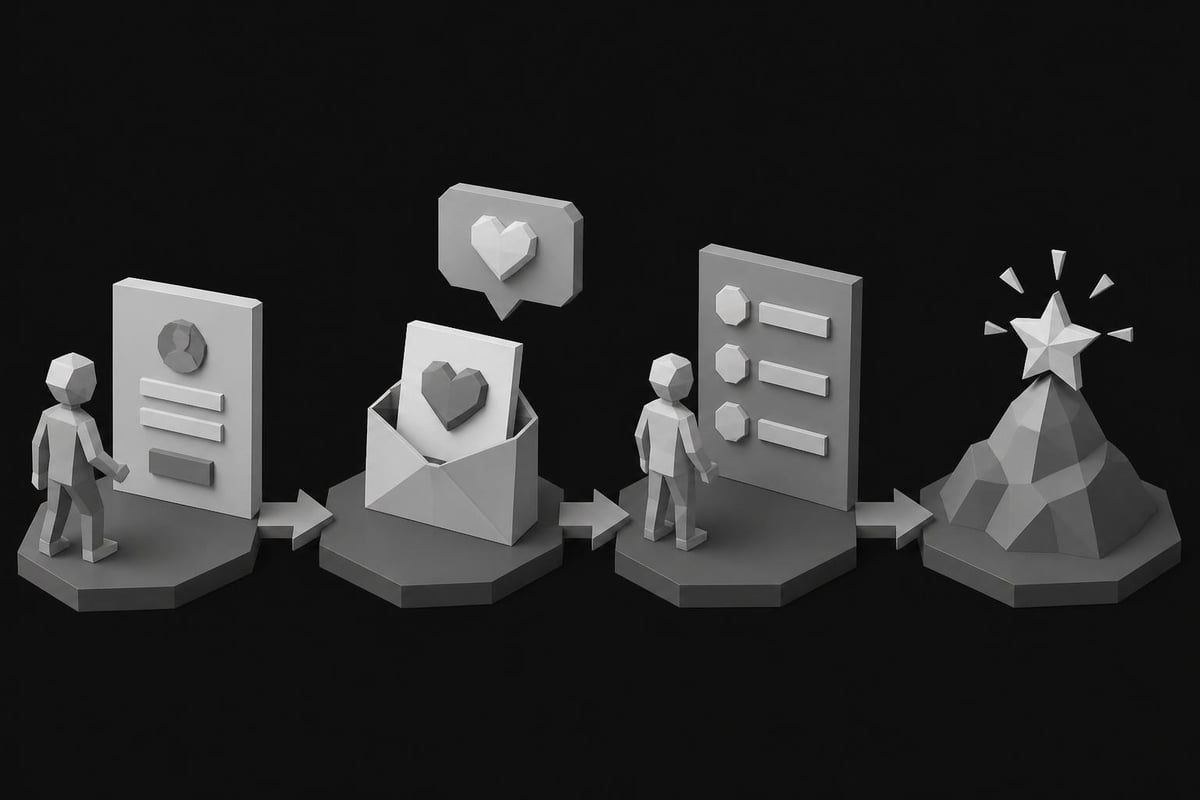
First impressions set the tone for everything. When someone joins your community, what happens next? Do they get a personal welcome message? Is there an onboarding sequence that helps them understand what's available? Are there quick wins they can achieve in their first session?
Think of it like hosting a party. You wouldn't just unlock the door and disappear. You'd greet people, introduce them around, make sure they know where the bathroom is and where to grab a drink. Your digital community deserves the same attention.
Creating Participation Loops
The best communities have regular rhythms that members can count on. Maybe it's a weekly challenge, a monthly AMA, or daily prompts that spark conversation. These participation loops give people reasons to come back consistently.
Effective engagement tactics:
- Weekly themed discussions or challenges
- Member spotlights highlighting active contributors
- Gamification elements like badges or leaderboards
- Exclusive live sessions scheduled regularly
- Collaborative projects that require ongoing participation
Research on creator challenges and platform dynamics shows that structural elements of how platforms are designed significantly impact creator engagement and community health. You're not just picking features - you're architecting experiences.
Platform Options Worth Considering
The community platform for creators market has exploded lately. You've got everything from simple membership sites to full-blown social networks. Here's the real talk on what's out there.
All-in-One Solutions
These platforms try to do everything - course hosting, community forums, email marketing, payment processing, the works. The advantage is simplicity and integration. The downside? They can feel bloated and may not excel at any one thing.
Popular options include Circle, Mighty Networks, and Kajabi. They're great if you want one dashboard to rule them all and don't mind paying for features you might not use.
Specialized Platforms
Then you've got platforms that do one thing really well. Substack focuses on newsletter-based communities with simple subscription models, while Medium attracts writers who want built-in discoverability but less control over monetization.
| Platform Type | Strengths | Weaknesses | Ideal For |
|---|---|---|---|
| All-in-one | Integrated features, single login | Can be expensive, learning curve | Creators wanting complete ecosystem |
| Newsletter-based | Simple, email-focused, direct | Limited community features | Writers, thought leaders |
| Course platforms | Robust learning tools | Community features secondary | Educators, trainers |
| Custom-built | Total control, unique branding | Requires technical skills/budget | Established creators with resources |
The Custom Route
Building your own community platform for creators gives you ultimate control but requires either coding skills or budget to hire developers. That's where the landscape gets interesting in 2026.
With no-code and low-code tools becoming more powerful, the barrier to creating custom platforms has dropped significantly. If you're willing to learn vibe coding approaches - building iteratively based on what feels right for your community rather than following rigid templates - you can create something truly unique that serves your specific audience perfectly.
For creators ready to go this route, learning to build and launch web or mobile apps from scratch transforms you from a platform user to a platform owner. Instead of paying monthly fees forever and adapting your vision to someone else's constraints, you're creating exactly what your community needs.
Growing Beyond Launch
Getting your first hundred members is exciting. Getting to a thousand requires different strategies. Your community platform for creators needs to scale not just technically (can it handle the load?) but socially (can you maintain quality as you grow?).
Moderation and Community Guidelines
As your community grows, you can't personally monitor every conversation or welcome every new member. You need systems.
Scaling your community management:
- Recruit and train community moderators from engaged members
- Create clear, specific community guidelines (not vague "be nice" statements)
- Use automation for welcomes, onboarding, and routine tasks
- Establish escalation processes for conflicts or violations
- Regular check-ins with your mod team to address challenges
Studies on platform governance and community norms emphasize that informal community norms often matter more than formal policies. Your most engaged members set the culture more than your rule list.
Content Creation at Scale
You can't keep up the launch pace forever. Burning out is real, and your community platform for creators should reduce your workload over time, not increase it.
Think about creating evergreen content that stays relevant, encouraging user-generated content, and maybe even featuring member expertise through guest posts or spotlight interviews. The goal is a community that adds value to itself, not one that completely depends on your daily input.
Measuring What Matters
Analytics dashboards can be overwhelming, with dozens of metrics that sound important but don't really tell you if your community is healthy. Here's what actually matters for a community platform for creators.
Engagement Over Size
Having 5,000 members sounds impressive, but if only 50 are active, you don't really have a community - you have a ghost town with a big mailing list. Focus on participation rates, not just total member counts.
Key metrics to track:
- Daily/weekly/monthly active users (not just total signups)
- Average session duration (are people sticking around?)
- Response rates in discussions (is anyone talking?)
- Content consumption rates (are members using resources?)
- Retention rates (who's still around after 30/60/90 days?)
- Revenue per member (for paid communities)
Qualitative Feedback
Numbers tell part of the story, but actual conversations with members reveal the rest. Regular surveys, one-on-one interviews, and simply paying attention to what people say in discussions gives you insights no analytics dashboard can provide.
Technical Considerations That Matter
Let's talk tech stuff for a minute, but in plain English. Your community platform for creators needs to actually work - fast loading, no broken features, accessible on phones and tablets.
Mobile Experience
More than half your members probably check your community on their phones. If the mobile experience sucks, engagement plummets. Period.
Test everything on actual devices, not just desktop browser simulators. Can people easily navigate? Are videos watchable? Can they participate in discussions without frustration? If not, fix it before you market aggressively.
Integration Capabilities
Your community platform shouldn't exist in isolation. It needs to play nice with your email marketing tool, your payment processor, your analytics, and whatever other tools you use to run your business.
| Integration Type | Purpose | Why It Matters |
|---|---|---|
| Email marketing | Nurture non-active members | Re-engagement campaigns |
| Payment processors | Handle subscriptions/purchases | Revenue collection |
| Analytics tools | Deeper insights | Understanding behavior |
| CRM systems | Manage relationships | Personalized outreach |
| Automation tools | Workflow efficiency | Save time on repetitive tasks |
Look for platforms with robust APIs or native integrations with popular tools. Wrestling with Zapier workarounds gets old fast.
Making the Decision
Choosing your community platform for creators is a big decision, but it's not permanent. Platforms evolve, your needs change, and migrating communities, while annoying, is totally possible.
Start with what makes sense for where you are now, not where you hope to be in five years. That fancy custom platform with AI chatbots and blockchain verification might sound cool, but if you're just launching, you need something you can set up this week and start testing.
Decision-making checklist:
- Does it support my primary content format?
- Can I afford it at my current revenue level?
- Will my less tech-savvy members be able to use it?
- Does it integrate with tools I already use?
- Can I customize it enough to match my brand?
- What happens to my data if I leave?
- Is there decent customer support?
Remember that the best community platform for creators is the one you'll actually use consistently. A simple platform with active engagement beats a sophisticated ghost town every time.
The Future of Creator Communities
Looking at how creators are adapting to new technologies and changing platform dynamics, it's clear that 2026 is just the beginning of the creator economy evolution. AI tools are making content creation faster, blockchain technologies are creating new ownership models, and platforms are becoming more creator-friendly in response to competition.
Your community platform for creators today should position you for tomorrow's opportunities without locking you into yesterday's limitations. Stay flexible, keep listening to your members, and don't be afraid to evolve as your needs change.
The creators who thrive aren't necessarily the ones with the biggest audiences or the fanciest platforms. They're the ones who build genuine connections, deliver consistent value, and create spaces where their members actually want to hang out. That's the real magic of a well-executed community platform for creators.
Building a thriving community platform takes intention, the right tools, and a willingness to iterate based on what your members actually need. If you're ready to stop renting space on someone else's platform and start building digital products that create sustainable income, CreateSell can help you develop the skills to create web and mobile apps from scratch - turning your expertise into products that work for you 24/7. Whether you're building a course platform, a membership community, or a SaaS tool, you'll learn to bring your vision to life without depending on expensive developers or restrictive platforms.