
8 Innovative B2B Startups Transforming 2026 Markets

Modest Mitkus
May 7, 2026
The landscape of b2b startups is evolving at a breakneck pace, redefining how businesses compete and collaborate in 2026. Startups are not just adapting—they are pioneering new standards in technology, efficiency, and growth across fintech, AI, health tech, and SaaS. This article spotlights eight groundbreaking b2b startups leading market transformation, revealing the trends and innovations that are setting the tone for the future. Ready to discover which companies are shaping tomorrow's business world?
The Evolution of B2B Startups: Trends Defining 2026
The landscape for b2b startups is undergoing rapid transformation as we approach 2026. Macro trends, including AI adoption, automation, remote-first solutions, and a growing emphasis on sustainability, are reshaping every aspect of business operations. Companies are reimagining workflows and embracing smarter, data-driven decision-making processes.
A major factor driving this evolution is the widespread integration of artificial intelligence and automation into core business functions. From predictive analytics to automated customer support, b2b startups are setting new benchmarks for efficiency and accuracy. According to B2B AI adoption statistics, 100% of sales enablement leaders now report using AI. This has led to shorter sales cycles and measurable revenue gains.
Another defining shift is the move from traditional, monolithic enterprise models toward agile, SaaS-first, and API-driven ecosystems. Modern b2b startups prioritize flexibility, modularity, and seamless integration with third-party platforms. This approach accelerates deployment, reduces operational friction, and supports scalable growth across diverse industries.
Investor interest has followed suit, with funding increasingly flowing into b2b startups that demonstrate high scalability and global reach. Recent data reveals that 701 b2b startups have secured a combined $27 billion in aggregate funding, averaging $391 million per company. This surge in capital highlights the market’s appetite for innovative, high-impact solutions.
| Metric | Value |
|---|---|
| B2B Startups Tracked | 701 |
| Aggregate Funding | $27 Billion |
| Average Funding per Company | $391 Million |
Industries experiencing the most disruption from b2b startups include finance, logistics, healthcare, and cybersecurity. In fintech, for example, startups are reengineering payment infrastructure and compliance processes. Logistics is seeing real-time optimization powered by AI and IoT. Healthcare organizations are adopting digital-first tools to enhance patient care and streamline administration.
What sets successful b2b startups apart is their commitment to solving real, underserved problems. Founders with deep industry experience are leveraging their insights to tackle pain points that incumbents often overlook. This focus on tangible value creation is a key driver of breakthrough solutions.
Compliance, privacy, and seamless integration are now non-negotiable for b2b startups. Enterprises demand offerings that align with evolving regulations and data protection standards. As a result, privacy-first architectures and robust security frameworks have become integral to product design.
In summary, the evolution of b2b startups in 2026 is defined by relentless innovation, data-centric strategies, and a clear focus on market needs. These trends are not only changing how businesses operate, but also setting the stage for the next wave of enterprise transformation.
8 Innovative B2B Startups Transforming 2026 Markets
The landscape of b2b startups is evolving rapidly, with a new generation of companies setting benchmarks for technology, efficiency, and growth. These trailblazers are not only pushing the boundaries in fintech, AI, health tech, and SaaS, but also reshaping how enterprises operate globally.
This section spotlights eight standout b2b startups that have demonstrated exceptional innovation, impactful solutions, and significant market traction. Each company was selected based on proven product value, funding milestones, and their ability to transform entire industries. Together, they reflect the rich diversity of sectors and geographies driving the b2b startups ecosystem forward.
Immuta
Immuta is at the forefront of b2b startups specializing in cloud-native data governance. The company’s custom enterprise pricing adapts to organization size and data needs, making it a scalable choice for businesses handling sensitive information.
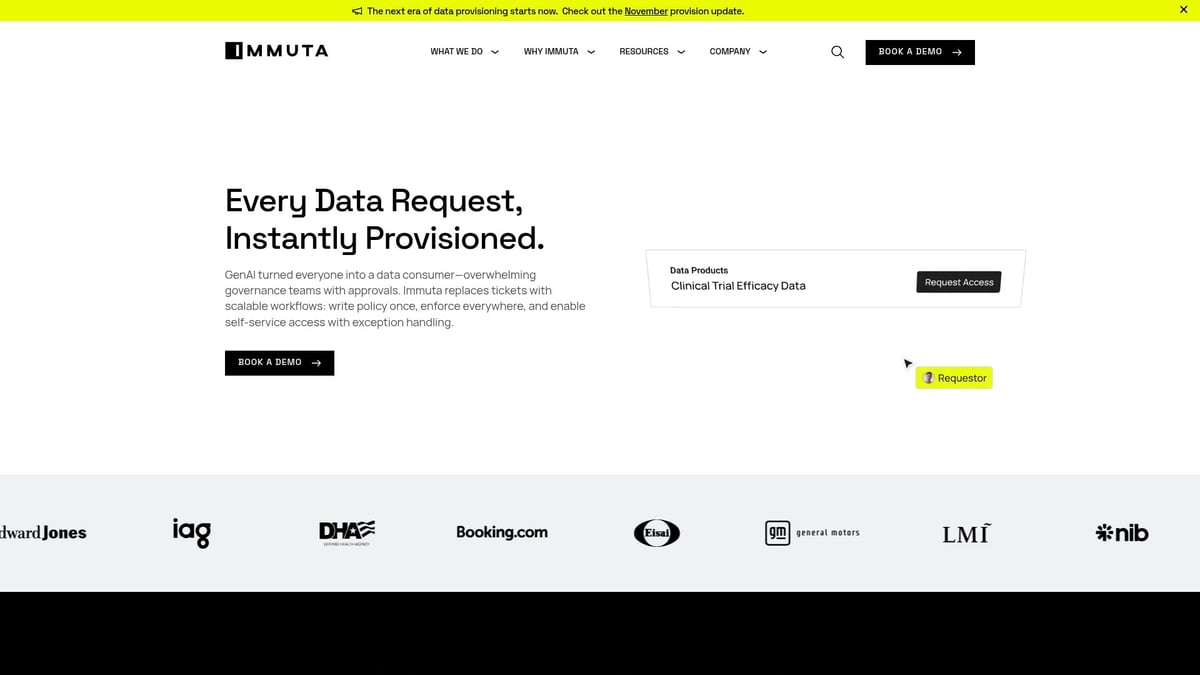
Core Features:
- Automated data access controls
- Privacy compliance for GDPR, HIPAA, and more
- Security tools for data protection
Immuta’s platform streamlines regulatory compliance, empowering enterprises to accelerate data-driven decision-making while minimizing risk. The target audience includes large organizations in finance, healthcare, and technology that demand robust governance.
Pros:
- Integrates seamlessly with major cloud platforms
- Strong automation reduces manual compliance tasks
Cons:
- Complexity may overwhelm smaller firms
- Pricing could be out of reach for early-stage b2b startups
Example: Fortune 500 companies use Immuta to automate sensitive data access, ensuring privacy and compliance at scale. For b2b startups aiming to meet strict regulatory standards, Immuta sets a high bar.
Bolt
Bolt stands out among b2b startups offering a comprehensive on-demand transportation platform. With variable pricing—often transaction-based or subscription for enterprises—Bolt adapts to different business models.

Core Features:
- B2B mobility solutions
- Integrated payments
- Real-time fleet management
Bolt delivers significant benefits, including streamlined business travel, cost reductions, and improved operational oversight. Its primary audience includes corporate clients, logistics providers, and urban mobility planners seeking efficient mobility solutions.
Pros:
- Global reach with presence in over 45 countries
- Robust technology infrastructure
Cons:
- Navigates complex regulatory environments in some regions
- Faces stiff competition from other mobility b2b startups
Example: Multinational companies rely on Bolt to optimize employee travel and logistics. The flexibility and scale of Bolt’s solutions make it a favorite among enterprises with diverse mobility needs.
Mercury
Mercury is redefining digital banking for b2b startups and tech-enabled SMBs. With no monthly fees for basic business banking and premium features available, Mercury is particularly attractive to fast-growing companies.
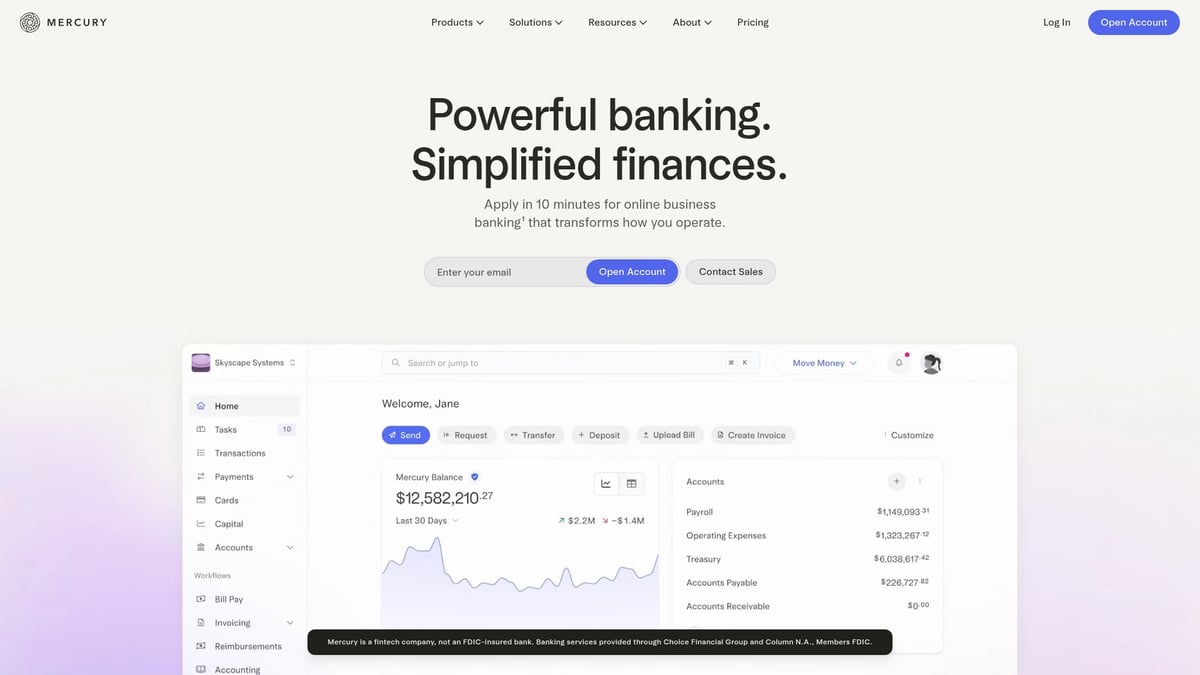
Core Features:
- FDIC-insured digital accounts
- API access for seamless integration
- Virtual cards for flexible spending
Mercury’s platform simplifies business banking, streamlines payments, and facilitates global transactions. The intuitive interface and rapid onboarding process are major advantages for b2b startups entering new markets.
Pros:
- User-friendly and modern design
- Strong integrations with SaaS and accounting tools
Cons:
- Limited to digital banking, with few physical branch options
- Currently focused on the US market
Example: Backed by leading investors like a16z, Mercury supports thousands of high-growth b2b startups, providing them with scalable financial infrastructure.
Suki
Suki is an AI-powered voice assistant designed specifically for healthcare providers. Its subscription-based pricing is tailored for hospitals and clinics, making it accessible to a range of healthcare organizations.

Core Features:
- Real-time medical transcription
- Seamless EHR integration
- AI-driven documentation
Suki addresses a critical pain point in healthcare: clinician burnout due to administrative overload. By automating documentation, it improves accuracy and saves valuable time for medical professionals.
Pros:
- High transcription accuracy
- Easy integration with leading EHR systems
Cons:
- Requires initial staff training
- Dependent on EHR compatibility
Example: Major US health systems have adopted Suki to streamline administrative workflows. Among b2b startups in health tech, Suki demonstrates the power of AI to transform clinical operations.
Density
Density offers a unique solution for organizations seeking real-time insights into space utilization. With custom enterprise pricing that includes hardware and software bundles, Density is ideal for businesses managing physical environments.
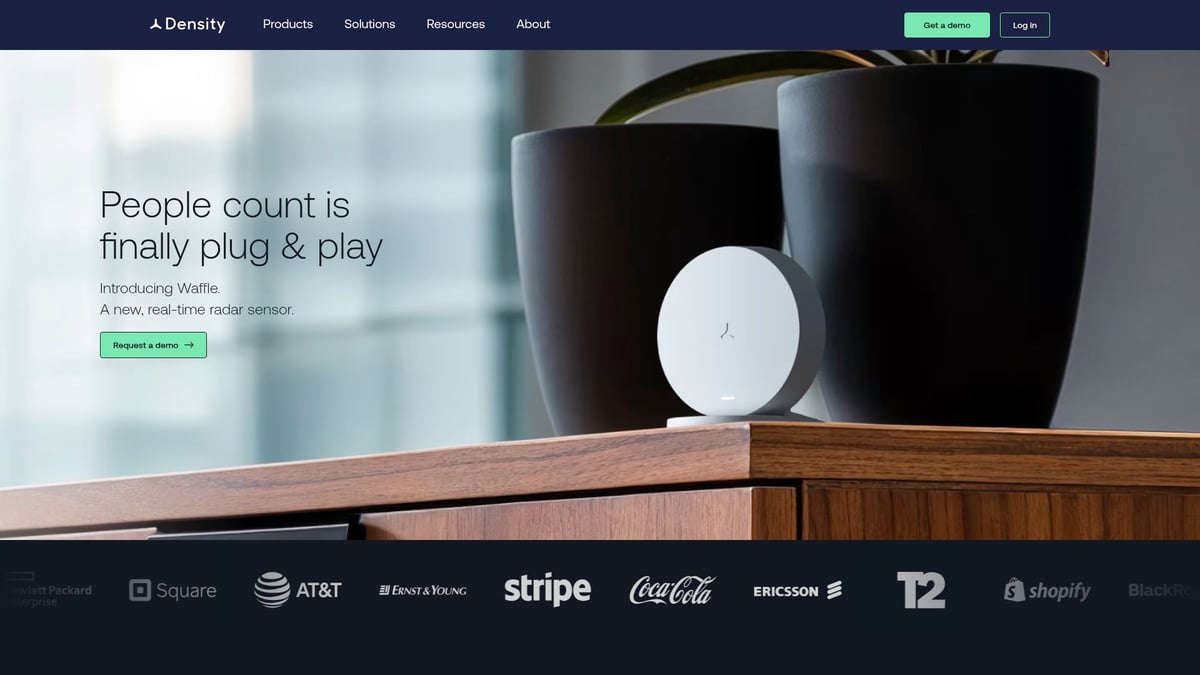
Core Features:
- People-counting sensors
- Occupancy analytics dashboards
- Space optimization tools
By enabling smarter use of office and retail space, Density helps enterprises enhance safety, reduce costs, and make informed real estate decisions. The privacy-first approach makes it suitable for compliance-focused b2b startups and established enterprises alike.
Pros:
- Scalable, privacy-conscious technology
- Actionable analytics for space management
Cons:
- Requires upfront hardware investment
- Dependent on physical installation
Example: Fortune 500 companies use Density to optimize their workplaces, driving efficiency and safety. The company’s success highlights a growing trend among b2b startups to leverage data for smarter operations.
Kandji
Kandji is a leading Apple device management platform, crucial for b2b startups and enterprises with distributed teams. Its per-device monthly pricing, along with a free trial, makes it accessible for organizations of varying sizes.
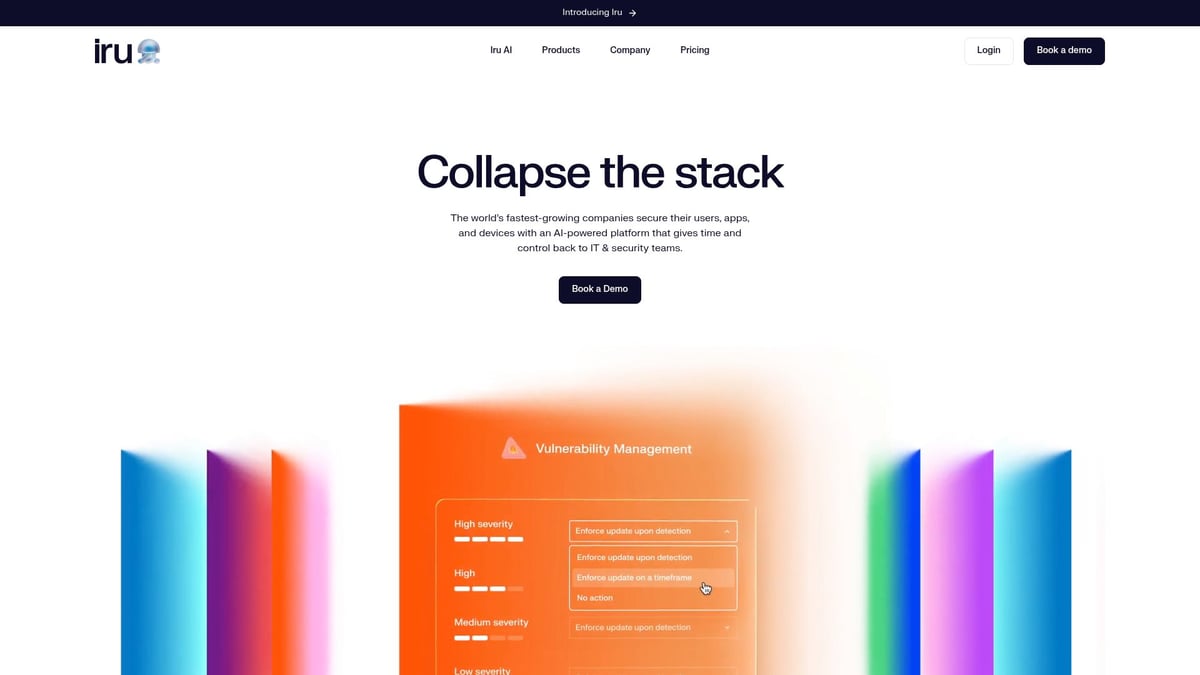
Core Features:
- Automated Apple device management
- Compliance monitoring and enforcement
- Security feature integration
Kandji streamlines IT operations, ensures regulatory compliance, and strengthens security—especially for remote-first workforces. Its intuitive dashboard allows IT departments to manage large Apple fleets effortlessly.
Pros:
- Rapid deployment and easy onboarding
- Strong compliance automation
Cons:
- Limited to the Apple ecosystem
- Minimal support for non-Apple devices
Example: Global tech companies rely on Kandji to manage their distributed Apple devices. For b2b startups scaling rapidly, Kandji offers the tools needed to maintain compliance and security.
Metropolis
Metropolis is revolutionizing urban mobility through AI-driven, checkout-free parking solutions. Its transaction-based fees for parking operators and enterprise contracts for large partners offer flexible pricing models.

Core Features:
- AI-powered computer vision
- Seamless payment integration
- Frictionless parking experiences
Metropolis transforms city parking by removing traditional barriers and delivering new revenue streams for real estate and urban planners. Its scalable technology is suitable for dense urban environments.
Pros:
- Advanced AI ensures accuracy and convenience
- User-friendly experience for drivers
Cons:
- Requires deployment of hardware infrastructure
- Integration with older systems can be complex
Example: With $3.5B in funding, Metropolis powers smart parking in major US cities, setting a new standard for urban mobility among b2b startups.
Brex
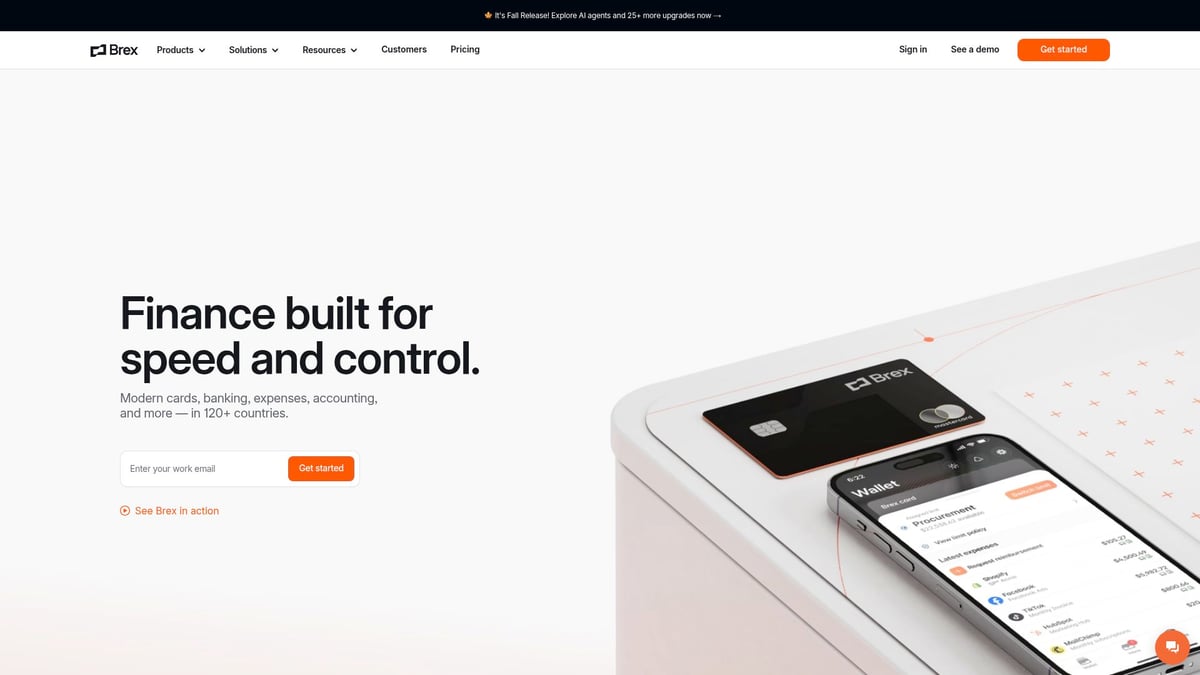
Brex provides financial solutions tailored to the needs of b2b startups, scale-ups, and tech-forward enterprises. With no annual fees for corporate cards and tiered plans for expense management, Brex is designed for flexibility.
Core Features:
- Corporate credit cards with tailored rewards
- Spend management software
- Real-time financial visibility
Brex streamlines expense tracking, offers robust integrations, and provides fast approval for growing companies. Its rewards program is highly valued among b2b startups seeking to optimize finances.
Pros:
- Quick onboarding and approval process
- Comprehensive rewards and integrations
Cons:
- Primarily US-based services
- Eligibility requirements may limit access for some SMBs
Example: Thousands of high-growth companies automate and optimize their financial operations with Brex. For b2b startups looking to scale, Brex delivers the tools needed to manage spending effectively.
For those inspired by these companies, exploring B2B SaaS startup ideas can uncover additional opportunities and emerging trends, helping the next generation of b2b startups shape the future of enterprise innovation.
How These Startups Are Reshaping Key B2B Markets
The 2026 cohort of b2b startups is producing a ripple effect across the global business landscape. By introducing advanced technologies and agile solutions, these companies are redefining what it means to be competitive in sectors like finance, logistics, healthcare, and enterprise software. Their collective impact is evident in how rapidly businesses are adopting new models to keep pace with innovation.
A defining feature of these b2b startups is their commitment to leveraging AI, automation, and data-driven insights to deliver measurable business outcomes. For example, AI-powered platforms now drive decision-making, compliance, and efficiency at a scale previously unattainable. According to AI adoption in B2B industries, manufacturers and service providers are increasingly tapping into artificial intelligence to enhance productivity and customer experience. As a result, organizations report significant cost reductions, improved operational agility, and higher accuracy in compliance.
Traditional enterprises and incumbent vendors are feeling the pressure to evolve. Many are now integrating with or partnering alongside b2b startups to stay relevant. Cross-industry trends are emerging, such as the convergence of fintech and SaaS platforms, the prioritization of privacy-first solutions, and the acceleration of remote and hybrid work infrastructure. The b2b startups featured here are not just solving niche problems; they are setting new standards that incumbents must follow. Notably, over 40 percent of leading b2b startups pivoted before achieving product-market fit, underscoring the importance of adaptability in today’s market.
Despite these advances, challenges remain. Adoption barriers include integration complexity, organizational resistance, and evolving regulatory landscapes. Compliance and seamless connectivity are now non-negotiable for enterprise buyers. The B2B AI adoption curve indicates that 78 percent of firms are actively deploying AI, with even more planning investments through 2026. This trend signals a strong future for b2b startups that can deliver scalable, secure, and compliant solutions.
Looking ahead, founders and industry experts agree that the next wave of b2b startups will focus on solving even more complex, underserved problems. The startups highlighted here demonstrate how innovation, adaptability, and a relentless focus on customer outcomes are reshaping the foundation of B2B markets worldwide.
What to Watch: Investment, Growth, and Future Disruption in B2B
Venture capital investment in b2b startups is accelerating in 2026, driven by demand for scalable, resilient business models. Investors are increasingly focused on companies with robust technology foundations, recurring revenue, and global ambitions. According to startup funding trends 2026, US AI startups alone saw a 75.6% funding surge in early 2026, a momentum that has carried into the broader B2B landscape this year.
Scalability and operational efficiency are top priorities for VCs. B2B startups that leverage automation, SaaS delivery, and API-first architectures are especially attractive, as these features enable rapid growth and seamless integration into enterprise environments. Investors also prize strong customer retention rates and the ability to expand internationally.
Emerging verticals are capturing attention. Climate tech, cybersecurity, and next-generation SaaS are leading sectors, while Asia-Pacific and Africa are poised for significant disruption. Deep tech and privacy-first solutions are also on the rise, reflecting shifting regulatory and market demands.
Here is a quick snapshot of recent headline-making funding rounds and valuations in the b2b startups ecosystem:
| Startup | Sector | Recent Funding | Valuation |
|---|---|---|---|
| Metropolis | Urban Mobility | $3.5B | $3.5B |
| Udaan | E-commerce | $300M | $5.6B |
| Mercury | Fintech | $120M | $1.6B |
| Density | PropTech | $125M | $1.05B |
Talent and founder experience remain decisive. Investors seek leadership teams with deep domain expertise and a track record of execution. Customer-centric design, adaptability, and a clear understanding of regulatory environments are essential for long-term success.
For entrepreneurs aiming to launch or scale b2b startups, focus on solving real, complex problems with measurable impact. Explore new SaaS verticals and pain points with high growth potential—resources like SaaS ideas for startups can help identify untapped markets.
Looking ahead, the next wave of b2b startups will likely emerge at the intersection of AI, sustainability, and industry-specific compliance. Companies that prioritize seamless user experience, global scalability, and continuous innovation will set the pace for years to come.
The path forward is clear: b2b startups that combine technical excellence, market insight, and operational discipline will continue to attract investment and redefine enterprise standards worldwide.
As we’ve seen, innovation in B2B is moving fast, and the startups featured here are setting the pace for what’s possible in 2026 and beyond. If you’re inspired by how these founders are transforming entire industries—and you’re ready to make the leap from selling your time to building your own digital product business—you don’t have to go it alone. At CreateSell, you can access expert guidance, proven strategies, and a supportive community to help you build your brand and automate your sales. Ready to take the first step? Get Started