
Average Churn for SaaS: What's Normal in 2026

Modest Mitkus
May 20, 2026
If you're building a SaaS product or digital subscription business, you've probably lost sleep over customer churn. It's that nagging feeling when customers cancel, and suddenly your carefully built revenue starts slipping away. Understanding the average churn for saas businesses isn't just about comparing yourself to others, it's about knowing whether you're on the right track or need to sound the alarm. Let's dive into what's actually normal in 2026 and what you can do about it.
What Exactly Is SaaS Churn and Why Should You Care
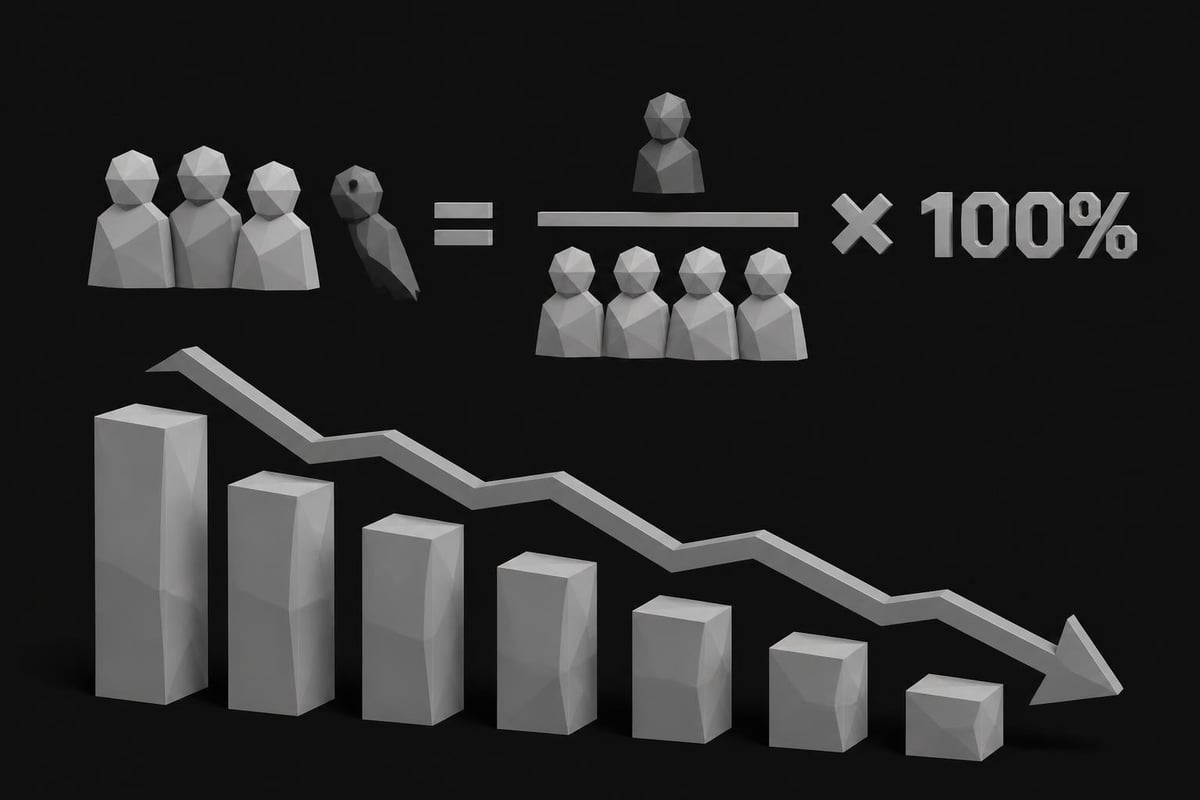
Churn rate measures the percentage of customers who cancel their subscription during a specific time period. Think of it like a leaky bucket: you're pouring new customers in the top, but if too many are leaking out the bottom, you'll never fill it up.
There are two main types of churn you need to track:
- Customer churn (logo churn): the percentage of customers who cancel
- Revenue churn (MRR churn): the percentage of monthly recurring revenue you lose
- Net revenue churn: accounts for expansion revenue from upgrades and cross-sells
Why does this matter so much? Because acquiring new customers costs 5-25 times more than retaining existing ones. If your churn rate is too high, you're basically running on a treadmill, working harder just to stay in place.
The Average Churn for SaaS Companies in 2026
So what's actually normal? The average churn for saas businesses varies wildly depending on who you're selling to and how mature your company is.
According to recent SaaS churn rate benchmarks, here's what we're seeing in 2026:
| Customer Segment | Monthly Churn Rate | Annual Churn Rate |
|---|---|---|
| Enterprise B2B | 0.5% - 1% | 6% - 12% |
| Mid-Market B2B | 1% - 2% | 12% - 24% |
| SMB B2B | 3% - 7% | 30% - 60% |
| B2C | 5% - 10% | 50% - 75% |
The difference is pretty dramatic, right? Enterprise customers stick around because they've got bigger implementation costs, more stakeholders involved, and switching is a massive headache. Consumer products? People cancel on a whim.
Breaking Down Churn by Company Stage
Your company's maturity also plays a huge role in what's considered acceptable churn. Early-stage companies typically see higher churn rates as they're still figuring out product-market fit.
Early-stage SaaS (pre-revenue to $1M ARR):
- Monthly churn: 3-5%
- You're still experimenting with who your real customers are
- High churn is painful but somewhat expected
Growth-stage SaaS ($1M to $10M ARR):
- Monthly churn: 2-3%
- You should be tightening things up here
- This is where churn rate benchmarks by company size become critical for evaluation
Mature SaaS ($10M+ ARR):
- Monthly churn: 1-2% or lower
- You've nailed your ideal customer profile
- Retention is a well-oiled machine
The average churn for saas products at different stages varies significantly, so don't panic if you're early and seeing higher numbers. But also don't use that as an excuse forever.
Industry-Specific Churn Benchmarks
Not all SaaS products are created equal, and your industry dramatically impacts what's normal. Let's break down some key sectors:
High-Churn Industries
Some verticals just naturally have higher turnover:
- Marketing automation tools: 5-7% monthly
- Social media management: 6-8% monthly
- Project management (SMB): 4-6% monthly
These tools often face budget cuts first when customers tighten their belts. They're also seen as "nice to have" rather than mission-critical.
Low-Churn Industries
Other categories see customers stick around like glue:
- Accounting software: 2-3% monthly
- HR/payroll systems: 1-2% monthly
- Infrastructure/DevOps tools: 1-2% monthly
What do these have in common? Switching costs are brutal. Moving your entire accounting system or payroll to a new platform? That's a nightmare nobody wants to deal with.
According to industry-specific churn data, the average churn for saas varies from 3% to 8% monthly depending on your specific niche.

Pricing Model Impact on Churn Rates
Here's something interesting: how you charge affects how long people stay.
| Pricing Model | Typical Monthly Churn | Why |
|---|---|---|
| Monthly only | 5-10% | Easy to cancel anytime |
| Annual contracts | 0.8-2% | Commitment + switching friction |
| Usage-based | 3-6% | Fluctuates with customer needs |
| Freemium to paid | 10-15% | Less committed users at entry |
Annual contracts are your friend if you're fighting high churn. When someone's already paid for the year, they're way more likely to actually use your product and see value. Monthly subscriptions feel like less commitment upfront, but that works both ways.
If you're building digital products like apps or SaaS tools, understanding these dynamics is crucial from day one. The pricing structure you choose isn't just about revenue, it fundamentally shapes your retention.
The Freemium Challenge
Free users convert to paid at around 2-5%, and those who do convert often churn at higher rates initially. Why? Because they haven't fully bought into the value yet. They're testing the waters, and if they don't see immediate results, they're gone.
But here's the flip side: customers who upgrade from free to paid and stick around for 3+ months often become your most loyal users. They've already experienced the product, know what they're getting, and made a conscious choice to pay.
What Actually Causes High Churn
Understanding the average churn for saas is one thing, but knowing why customers leave is where the real value is. Let's get specific about the top culprits:
Poor onboarding experience:
- 40-60% of free trial users never come back after the first session
- If customers don't see value in the first week, they're already mentally checked out
- Complex setup processes kill retention before it starts
Lack of ongoing value delivery:
- Customers aren't seeing ROI
- Your product solved the initial problem but hasn't evolved with their needs
- They found a better alternative
Pricing misalignment:
- Too expensive for the value delivered
- Wrong pricing tier for their actual usage
- Surprise costs or confusing billing
Poor customer support:
- Slow response times
- Unhelpful support interactions
- No proactive outreach when customers struggle
According to data on what constitutes good churn rates, companies with monthly churn below 3% almost always have exceptional onboarding and customer success programs in place.
How to Calculate and Track Your Churn
You can't improve what you don't measure. Here's how to actually calculate your churn rate properly.
Simple monthly customer churn:
(Customers lost in month / Customers at start of month) × 100
Monthly recurring revenue (MRR) churn:
(MRR lost in month / MRR at start of month) × 100
Net revenue churn:
((MRR lost - expansion MRR) / MRR at start of month) × 100
That last one is crucial because it accounts for customers who upgrade or buy more. You can actually have negative churn if your expansion revenue exceeds your lost revenue. That's the holy grail.
Tools and Tracking
Don't try to calculate this in spreadsheets forever. Use tools like:
- ChartMogul for subscription analytics
- ProfitWell for free metrics tracking
- Baremetrics for Stripe-based businesses
- Simple cohort analysis in your own database
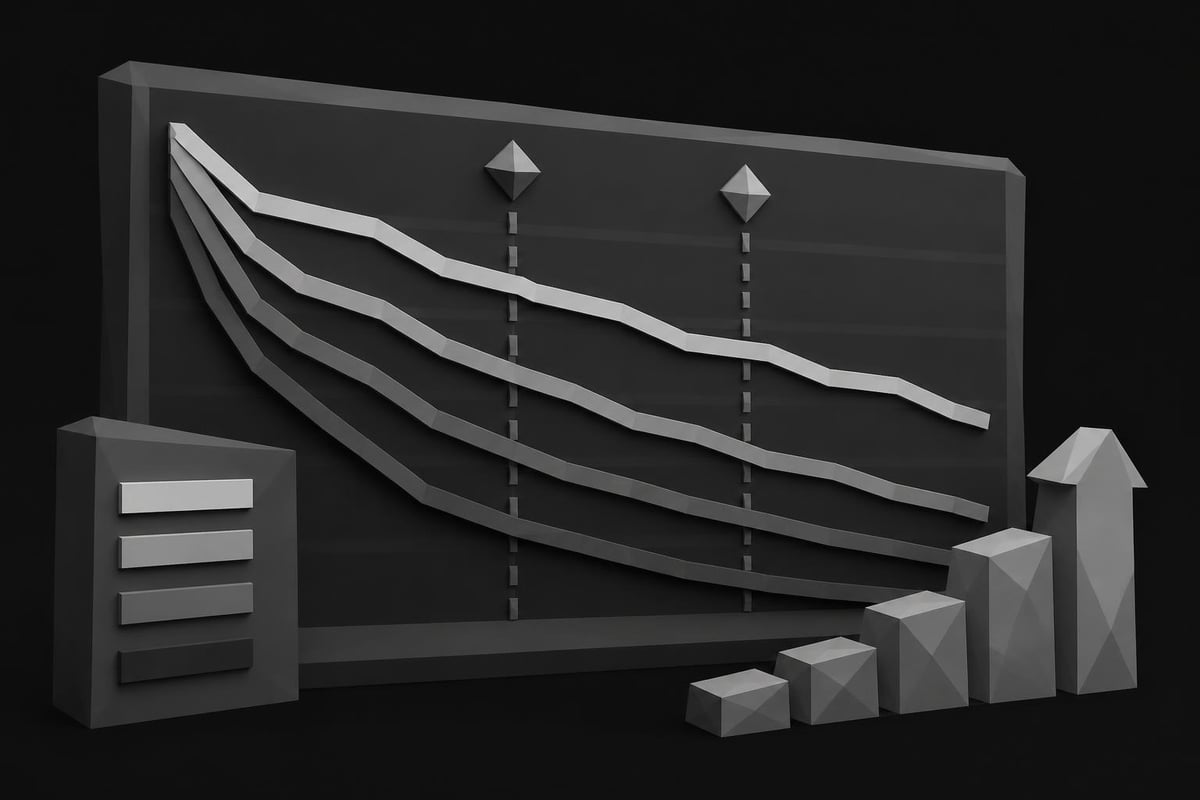
Track churn by cohort (customers who signed up in the same month) to see if certain groups behave differently. This reveals whether your product improvements are actually working.
Strategies to Reduce Your SaaS Churn Rate
Knowing the average churn for saas companies is helpful for benchmarking, but reducing your own churn is where the magic happens. Here are proven strategies that actually work:
Nail Your Onboarding
First impressions are everything. Your onboarding should be:
- Super focused: Get customers to their first "aha moment" ASAP
- Personalized: Ask what they want to accomplish and guide them there
- Multi-channel: Email, in-app guides, and video tutorials working together
- Progress-oriented: Show them they're making progress even in early steps
Companies that invest heavily in onboarding see 50-70% lower churn in the first 90 days.
Build a Customer Success Motion
Don't wait for customers to ask for help. Proactively reach out:
- Usage monitoring: Flag accounts showing declining engagement
- Milestone check-ins: Touch base at 30, 60, 90 days
- Executive business reviews: For higher-tier customers, quarterly strategy sessions
- Educational content: Regular webinars, tips, and best practices
This is especially important if you're creating digital products where user adoption determines success. Whether you're building mobile apps or SaaS platforms, showing customers how to get maximum value drives retention.
If you're learning to build your own SaaS product, focusing on retention features from day one is crucial. Build and Launch Your SaaS App in 14 Days teaches you not just how to code your app, but how to create user experiences that keep customers coming back.
Create Switching Costs (The Good Kind)
Make your product indispensable:
- Integrations: Connect to tools your customers already use daily
- Data accumulation: The longer they use you, the more valuable their historical data becomes
- Workflows: Become embedded in their daily processes
- Team collaboration: Multiple users make it harder to switch
Segment and Personalize
Not all customers are the same. According to comprehensive churn benchmarks, companies that segment their customer base and create targeted retention campaigns see 20-30% lower churn.
Segment by:
- Industry vertical
- Company size
- Use case
- Feature usage patterns
- Engagement level
Then create specific retention plays for each segment.
When to Worry About Your Churn Rate
So you've calculated your churn, you know the benchmarks, but when should you actually panic? Here are the red flags:
Immediate alarm bells:
- Monthly churn above 10% for any B2B business
- Monthly churn above 15% for B2C
- Churn rate increasing month-over-month for 3+ consecutive months
- Most cancellations happening in the first 30 days
Yellow flags worth investigating:
- Churn varies wildly between customer segments
- Certain cohorts showing much higher churn than others
- Revenue churn higher than customer churn (you're losing your best customers)
- Negative NPS scores correlating with churned customers
According to research on optimal churn rates, if you're an early-stage company and your monthly churn is below 5%, you're doing great. For growth-stage companies, aim for under 3%, and at scale, you should be targeting 1-2% or lower.
The Relationship Between Churn and Growth
Here's something that doesn't get talked about enough: the average churn for saas directly impacts how fast you can grow. It's not just about the revenue you lose, it's about the revenue you'll never gain.
Let's do some quick math. Say you're adding 100 customers per month at $100 MRR each:
| Monthly Churn | Customers After 12 Months | MRR After 12 Months |
|---|---|---|
| 2% | 1,078 | $107,800 |
| 5% | 909 | $90,900 |
| 8% | 784 | $78,400 |
That's a $29,400 difference in monthly revenue just from churn rates. Over time, this compounds dramatically.
The Leaky Bucket Problem
If you're losing customers faster than you can acquire them, growth becomes impossible. The math is simple but brutal:
- Net growth = New customers - Churned customers
- If churn rate × existing customers > new customer acquisition, you're shrinking
This is why mature SaaS companies obsess over retention just as much as acquisition.
Churn vs. Retention: Two Sides of the Same Coin
While we've been talking about churn, it's worth flipping the perspective. Instead of asking "how many customers am I losing," ask "how many customers am I keeping?"
Retention rate = 100% - Churn rate
Some companies find focusing on retention metrics more motivating than staring at churn numbers. Plus, retention cohorts show you the long-term value of your product:
- What percentage of customers are still around after 6 months?
- After 12 months?
- After 24 months?
These retention curves tell you whether you've built something with lasting value or just a temporary solution.
The Magic of Negative Churn
When your expansion revenue (upgrades, upsells, cross-sells) exceeds your churn, you achieve negative churn. Even if you stopped acquiring new customers entirely, your revenue would still grow.
This is the ultimate goal for any SaaS business. Companies like Slack and Zoom achieved this by:
- Starting customers on lower tiers
- Natural expansion as teams grow
- Usage-based pricing that scales with value
- Strategic upsells to premium features
Learning From Your Churned Customers
The customers who leave are giving you a gift: honest feedback about what's not working. Most companies waste this opportunity.
Set up a proper churn feedback loop:
- Exit surveys: Ask why they're leaving (keep it short, 2-3 questions max)
- Cancellation interviews: For higher-value customers, get on a call
- Pattern analysis: Look for common themes in cancellation reasons
- Win-back campaigns: Some customers come back if you fix their issues
The most common reasons you'll hear:
- "Not using it enough" (onboarding problem)
- "Too expensive" (value problem or wrong pricing tier)
- "Missing features I need" (product roadmap issue)
- "Found a better alternative" (competitive problem)
- "Company/role change" (nothing you can do)
Each of these requires different solutions. Don't just collect this data, actually act on it.
Building a Low-Churn Business From Day One
If you're just starting to build your digital product or SaaS business, you have a huge advantage: you can design for retention from the beginning.
Start with these principles:
- Solve a painful, ongoing problem (not a one-time need)
- Build for a specific customer you understand deeply
- Create immediate value in the first session
- Make your product habit-forming through regular use cases
- Price fairly for the value you deliver
The average churn for saas businesses is just a benchmark, but your goal should be to build something people can't imagine living without. That's when churn drops to minimal levels.
Think about the tools you personally use every day. Why don't you cancel them? Probably because:
- They're woven into your workflow
- You've got data/content stored there
- The switching cost would be annoying
- They consistently deliver value
That's what you're aiming for.
Understanding the average churn for saas businesses helps you benchmark your performance, but reducing your own churn is where real business value lives. Whether you're seeing 5% or 15% monthly churn, there are concrete steps you can take to improve retention and build a more sustainable business. If you're ready to stop trading your time for money and start building digital products that generate recurring revenue, CreateSell can help you learn to create and sell web and mobile apps from scratch, turning your ideas into products that sell while you sleep.